


Muonionalusta—The Legendary History of the Swedish Muonionalusta Meteorite
The Mysterious Discovery of 1906
In 1906, several children playing near a small Swedish village called Kitkiöjärvi accidentally discovered a heavy, rusted "stone." They brought it home, initially unaware of its extraordinary nature. It was not until several years later that scientists identified it as an extremely precious iron meteorite.
 Lantgård, Muonionalusta, Sweden
The Historical Origins of the Muonionalusta Meteorite
This meteorite was named "Muonionalusta" after the Muonio River on the border between Sweden and Finland. As a fine octahedrite (Class IVA), its fall can be traced back approximately one million years. It traveled from deep space to land in northern Scandinavia, where it lay buried beneath the Arctic soil, waiting silently to be encountered by humanity.
(Class IVA: Based on chemical classification, which categorizes iron meteorites according to their chemical element content and corresponding parent asteroid bodies.)
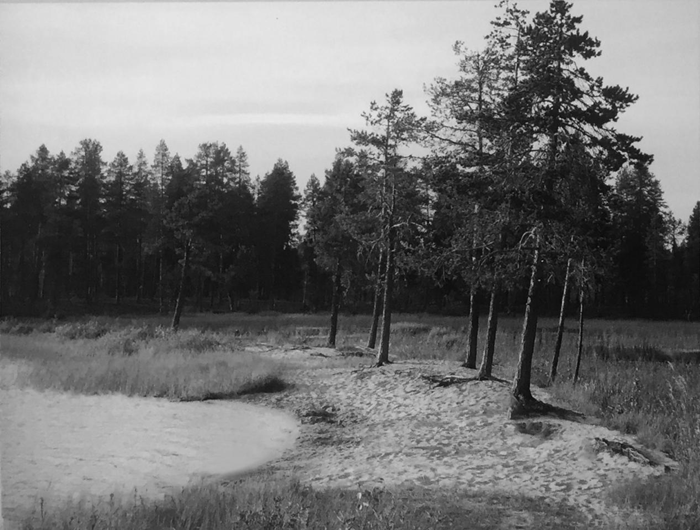
(Muonio River)
Slumbering Through the Ice Age
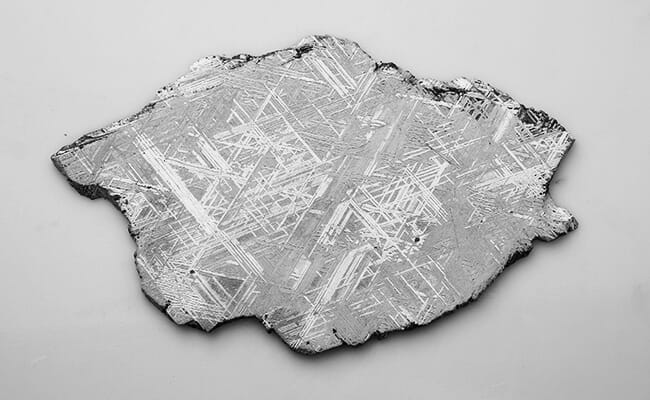
Muonionalusta is a very rare, large meteorite slice from Sweden.
The Muonionalusta meteorite possesses a unique "birthmark"—its chemical composition and structural characteristics provide a treasure trove for scientists. This meteorite endured the baptism of four ice ages, sleeping in a frigid environment until it was unearthed in the early 20th century.
The Scientific Value of the Muonionalusta Meteorite
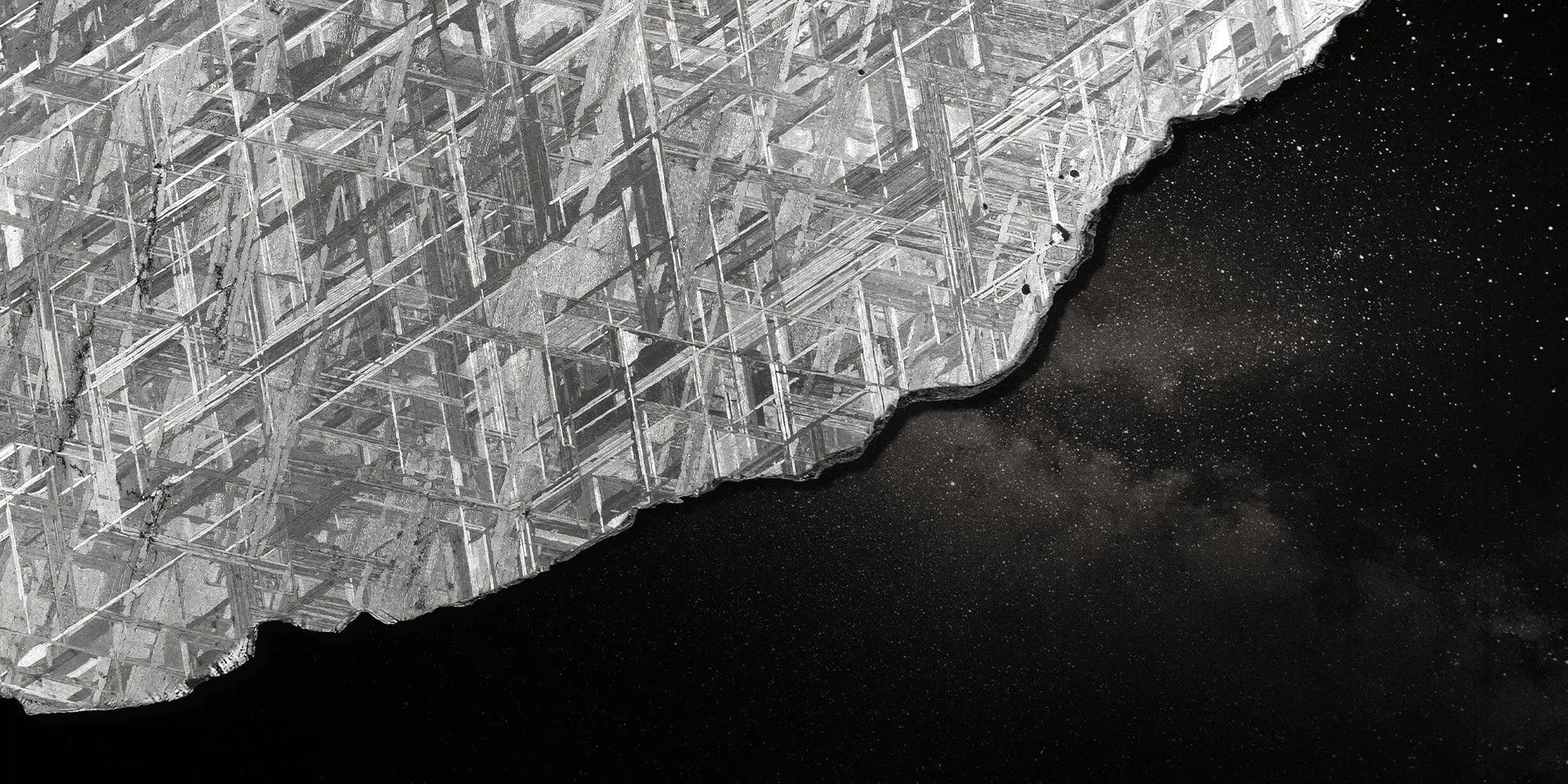
As a Class IVA iron meteorite, Muonionalusta's chemical classification is closely linked to its parent asteroid. The microstructure of this meteorite reveals a fine octahedral pattern, considered a defining characteristic of iron meteorites. Cutting and etching reveal perfect Widmannstätten patterns, sometimes containing rare minerals such as Troilite or Stishovite. It provides astronomers and geologists with critical data for studying the origin of the solar system and the evolution of the early universe.
The discovery of the Muonionalusta meteorite was not just an accident; it is a miracle gifted by the cosmos to Earth. Its historical significance and research value make it an irreplaceable treasure for the scientific community.

The Discovery and Challenges of Collecting the Muonionalusta Meteorite
Because the Swedish Muonionalusta Meteorite fell in ice-covered areas near the Arctic Circle, the process of finding its fragments is fraught with challenges. With only a short digging season from May to July each year, meteorite hunters must carry heavy equipment through harsh environments. Gusting winds, round-the-clock daylight, and even the threat of wildlife make the journey a test of extreme perseverance. These efforts also reflect the importance of the Muonionalusta Meteorite in scientific research and the collector's market.

Precious Iron Meteorites — Only 6% of Total Meteorites
Meteorites can be divided into three major categories: stony meteorites, stony-iron meteorites, and iron meteorites. Iron meteorites are a very rare type, accounting for only 6% of all meteorites. The Earth, Moon, Mars, and other mature rocky planets consist primarily of oxygen, silicon, aluminum, iron, calcium, and magnesium. Over time, the most important element—"iron"—gradually sank into the depths of the planetary cores, accumulating into massive, high-purity iron hearts. During massive collisions, these iron cores were exposed, forming iron meteorites. The Swedish Muonionalusta Meteorite is one of the oldest meteorites discovered to date and is recognized by scientists as a "planetary core."
 Dsdugan, CC0, via Wikimedia Commons
The Rarity and Value of the Swedish Muonionalusta Meteorite
The Swedish Muonionalusta Meteorite (Muonionalusta) is a focus of the scientific and collecting worlds due to its unique composition and structure. This meteorite is primarily composed of iron, nickel, and small amounts of rare elements. Its microscopic Widmannstätten (Widmannstätten pattern) is heralded as the "fingerprint" of meteorites and is an extremely rare form of cosmic art in nature. These beautiful patterns cannot be replicated in a laboratory because they require an incredibly slow cooling rate of 1 degree Celsius per thousand years; while artificial laboratory conditions can achieve similar temperature control, the time scale is simply impossible to replicate. This remains one of the meteorite's most attractive features.

Mysterious Matter and Therapeutic Potential of the Muonionalusta Meteorite
The Muonionalusta meteorite contains substances rarely found on Earth, such as Stishovite (super-quartz). This mysterious component is a crystal formed under high-pressure conditions and may have originated from a cosmic stellar impact hundreds of millions of years ago. Its special vibrational frequency is believed to have potential therapeutic effects, attracting significant attention from the scientific community.
Radioactivity and Safety Confirmation
According to tests by astronomer Hannes Alfvén in 1958, the radioactivity level of the Muonionalusta Meteorite is far lower than the radiation encountered in daily human life, making it harmless to the human body. Further studies in 2010 detected lead isotopes within the meteorite, confirming that it was born in the early solar system approximately 4.5 billion years ago and may carry important information about the early formation of the universe.
Breakthroughs in Meteorite Processing Techniques
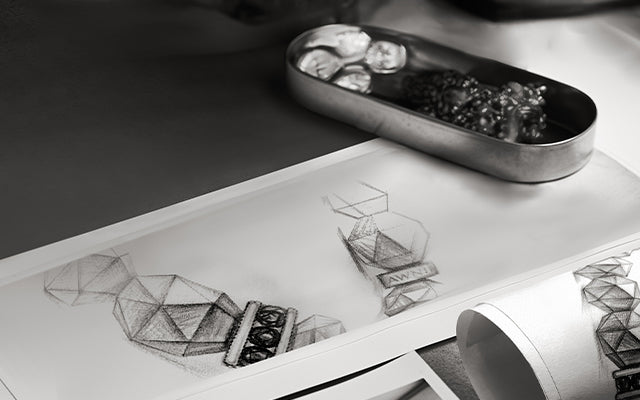
Although meteorites can oxidize in Earth's environment, their texture is dense and robust, possessing high durability. After years of scientific research, a complete set of meteorite processing technologies has been developed, including surface polishing and precious metal plating. This not only protects the meteorite but also highlights its unique structure and aesthetic, making it a high-value material for meteorite collectibles and jewelry.
The Value of the Swedish Muonionalusta Meteorite and Future Exploration
With its scientific, artistic, and therapeutic value, the Muonionalusta meteorite has become a rare cosmic treasure on Earth. As research deepens, we will further uncover the secrets hidden within this meteorite and explore its profound influence on the origins of the universe and the future of humanity.

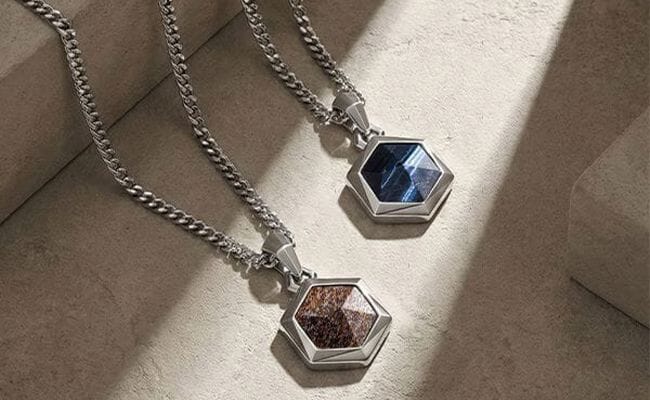
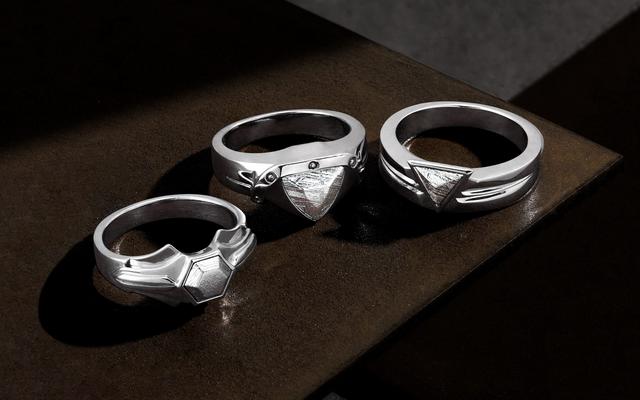
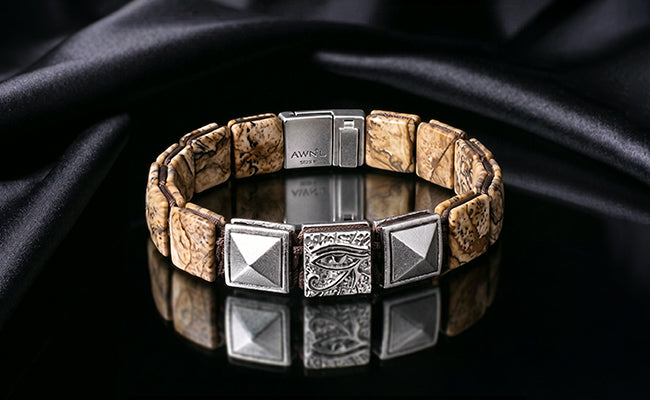
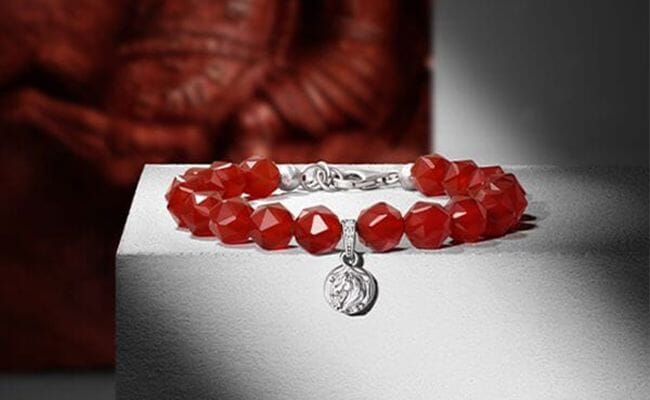
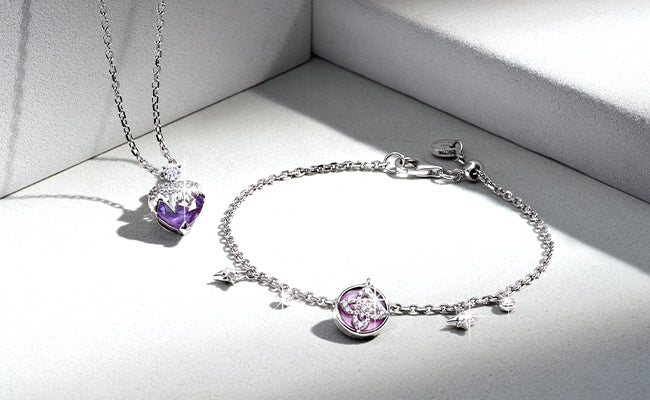
AWNL Muonionalusta Meteorite Jewelry
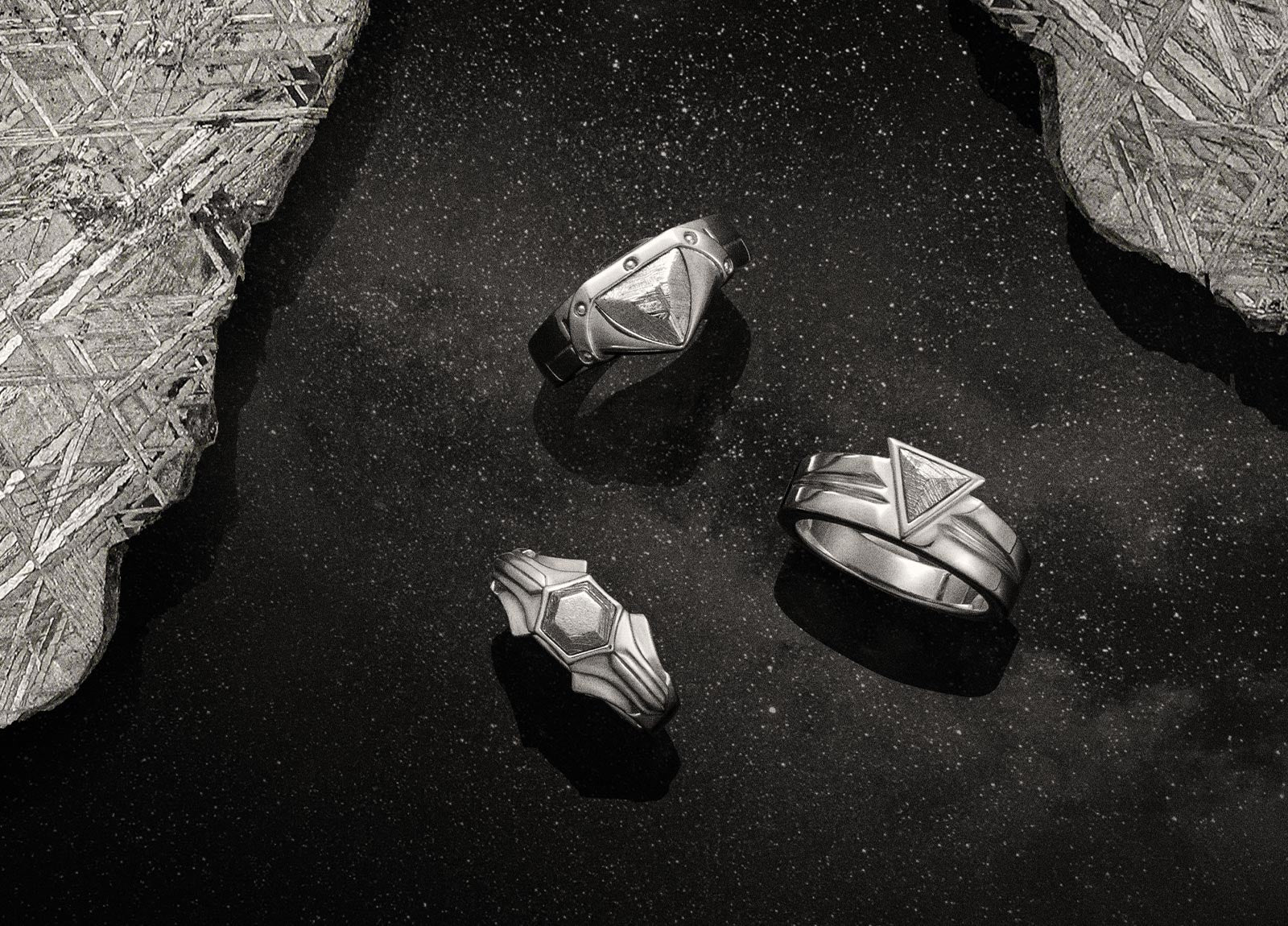
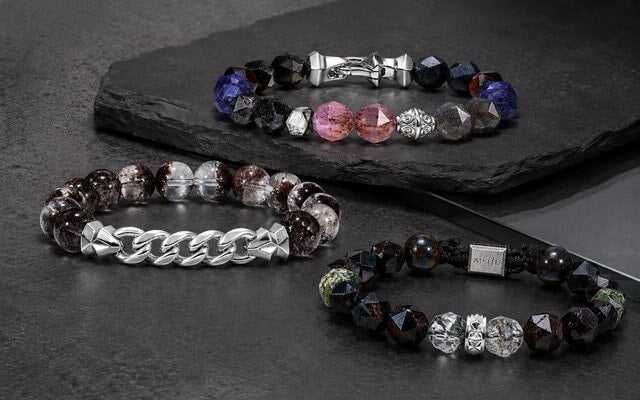
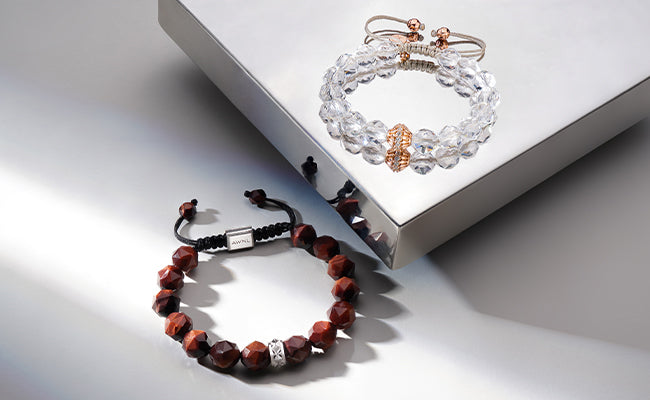
AWNL combines the rare Muonionalusta meteorite with natural crystals to create avant-garde energy jewelry designed to awaken the wearer's inner potential, bringing protection and healing. Using 18K white gold with rhodium or 18K gold plating, the surface of the meteorite is specially protected, showcasing the brand's inclusive and modern Scandinavian spirit.

(Explore AWNL Swedish Meteorite Collection)