


Wearable Art - Exploring the Diversity of Men's Rings
From Ancient Times to the Present: The Evolution and Symbolism of Men's Rings
The concept of men wearing rings is not a modern phenomenon; its history can be traced back to ancient times. Early men's rings held special symbolic significance, used to denote social status, power, wealth, or religious belief. Rings worn by noblemen in Ancient Egypt and Rome were often engraved with family symbols or inlaid with gemstones, representing their identity and authority. Rings also held special meaning in religious and clerical fields: for instance, papal and episcopal rings played a significant role in religious ceremonies, representing authority and status. Religious rings were not merely decorative; they carried personal religious faith and spiritual values. They could serve as a commitment to faith or be used to guide an individual into religious rituals and meditation.
Over time, the style and symbolism of men's rings have changed. In medieval Europe, rings became a symbol for nobles and knights, used to signify loyalty to a king or lord. During the Renaissance, rings gradually evolved into works of art, featuring intricate engravings and various gemstones.
In the modern era, the styles and purposes of men's rings have become increasingly diverse, ranging from minimalist designs to complex adornments, satisfying a wide variety of personal styles and needs. Modern men's rings focus more on individuality and the symbolic meaning of the design. By choosing rings of different materials and styles, they reflect the evolution of social values and fashion concepts. This makes the ring not just an ornament, but a symbol of history, culture, and personal stories, carrying multi-layered meanings.

The Language of Rings: The Symbolic Meaning of Different Styles
Exploring the Connection Between Style and Personality
When choosing a men's ring, different styles possess unique characteristics, symbolic meanings, and representative personalities. Below is an introduction to some common men's ring styles and the meanings behind them:
Classic Solitaire Rings:
These rings typically feature a single gemstone set in the center, boasting a minimalist and grand design that emphasizes pure aesthetic beauty. They reflect a focused, direct personality and highlight a sense of understated luxury, embodying the wearer's pursuit of high-quality gemstones and exquisite detail.
Multi-Stone Rings:
Multi-stone rings are usually set with several small gemstones, each representing a different symbolic meaning. The most classic design for multi-stone rings is the three-stone ring, where the three gems represent the past, present, and future. Multi-stone rings emphasize diversity, showcasing variety and an inclusivity of different cultures and values, and are also considered symbols of professional and financial prosperity.
Textured/Innovative Material Rings:
Textured rings and those using new materials represent innovation and uniqueness. They typically integrate unique textures, materials, and designs, breaking through traditional boundaries and symbolizing the wearer's pursuit of different styles and novelty.
Textured rings focus on highlighting various unique patterns and textures, such as wood grain, marble patterns, or animal and plant motifs. These textures represent the power and diversity of nature and can also express the wearer's love and respect for the natural world, with each texture holding its own symbolic meaning.
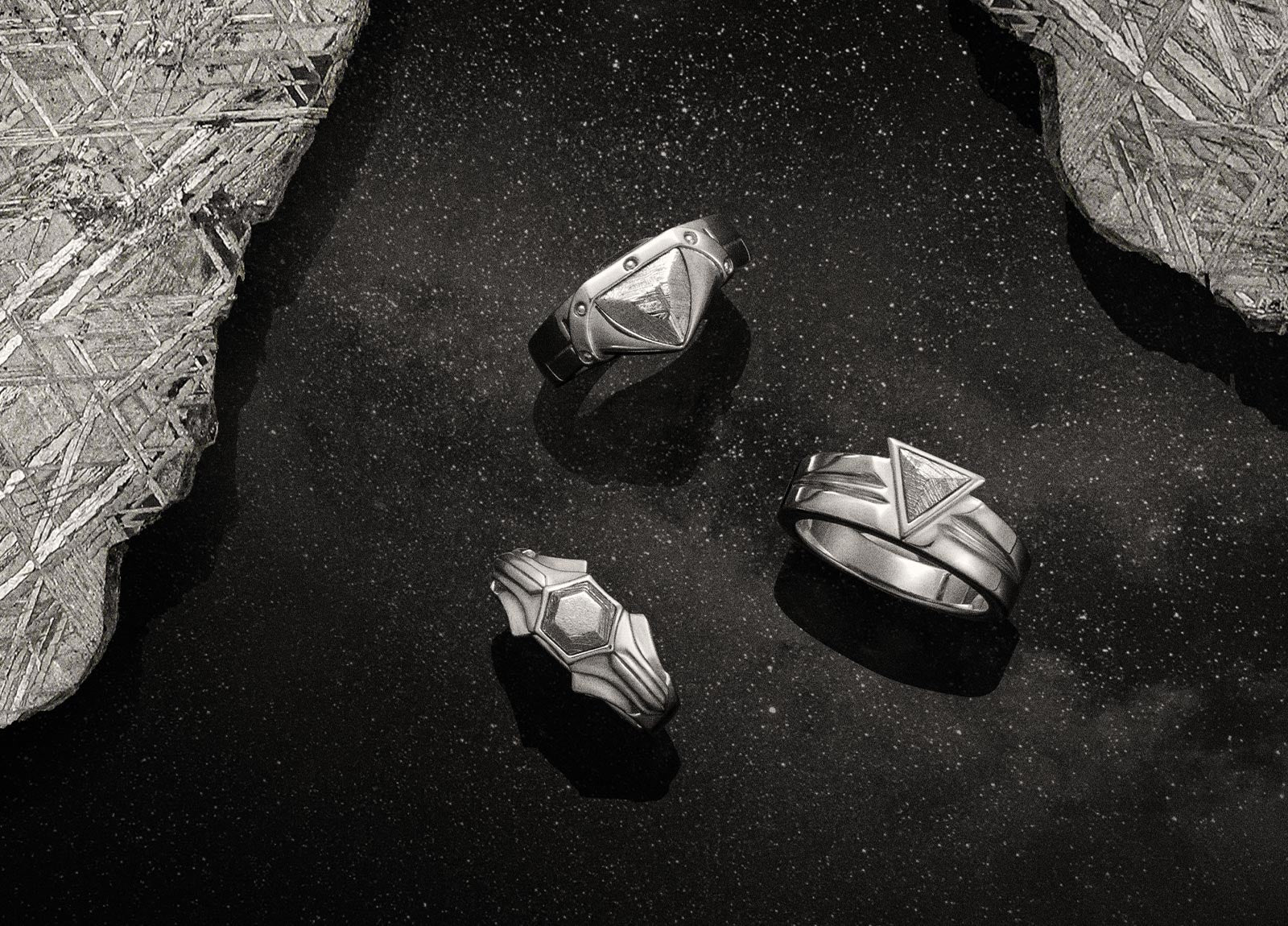
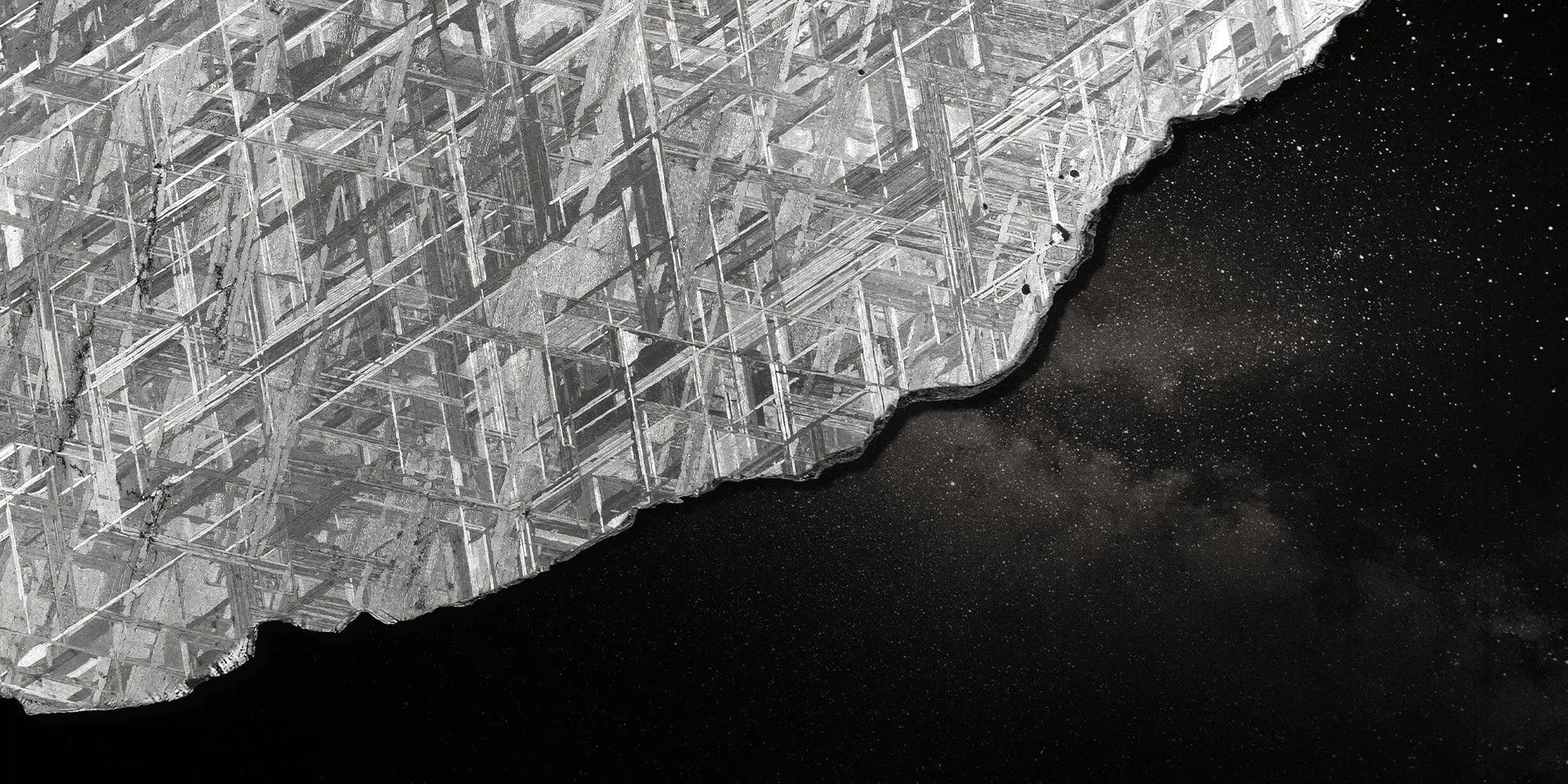
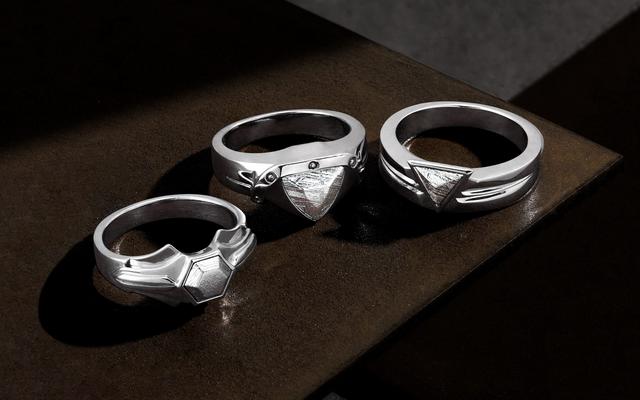
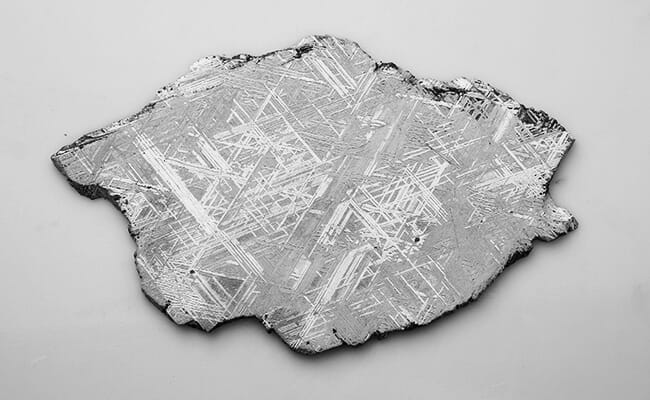
Men's rings designed with new materials often use substances other than traditional gold or white gold, such as carbon fiber, ceramic, meteorite, or titanium steel. These materials are lightweight, durable, and modern, carrying special meanings that symbolize change and progress. They highlight the wearer's pioneering spirit and innovative thinking, maximizing the display of one's unique personal style and values.
Minimalist Plain Bands:
Plain bands typically have an understated design and a clean appearance without excessive gemstone decoration or texture. They emphasize values of simplicity and purity, representing eternal emotion, sincere commitment, and steadfast love. They mark a special moment, symbolizing a life journey or a significant milestone in a relationship.
Decorative Rings:
Decorative rings usually represent personal style, taste, and independence, reflecting more of the wearer's personality and lifestyle. The design and decoration of these rings are often bolder and more diverse, frequently themed around specific cultures or beliefs, such as Celtic symbols, Runes, and various religious cultures. They have gradually become a new method of self-expression, allowing wearers to showcase their style and creativity while highlighting depth and conveying respect for different cultural beliefs.
Overall, different styles of men's rings represent individual diversity, freedom, and creativity. They are a low-key yet unique presence among accessories, not appearing overly conspicuous whether worn on special occasions or in daily life. Furthermore, they help wearers express their personalities and proclaim their beliefs and values.
How to Wear Men's Rings and Personal Expression
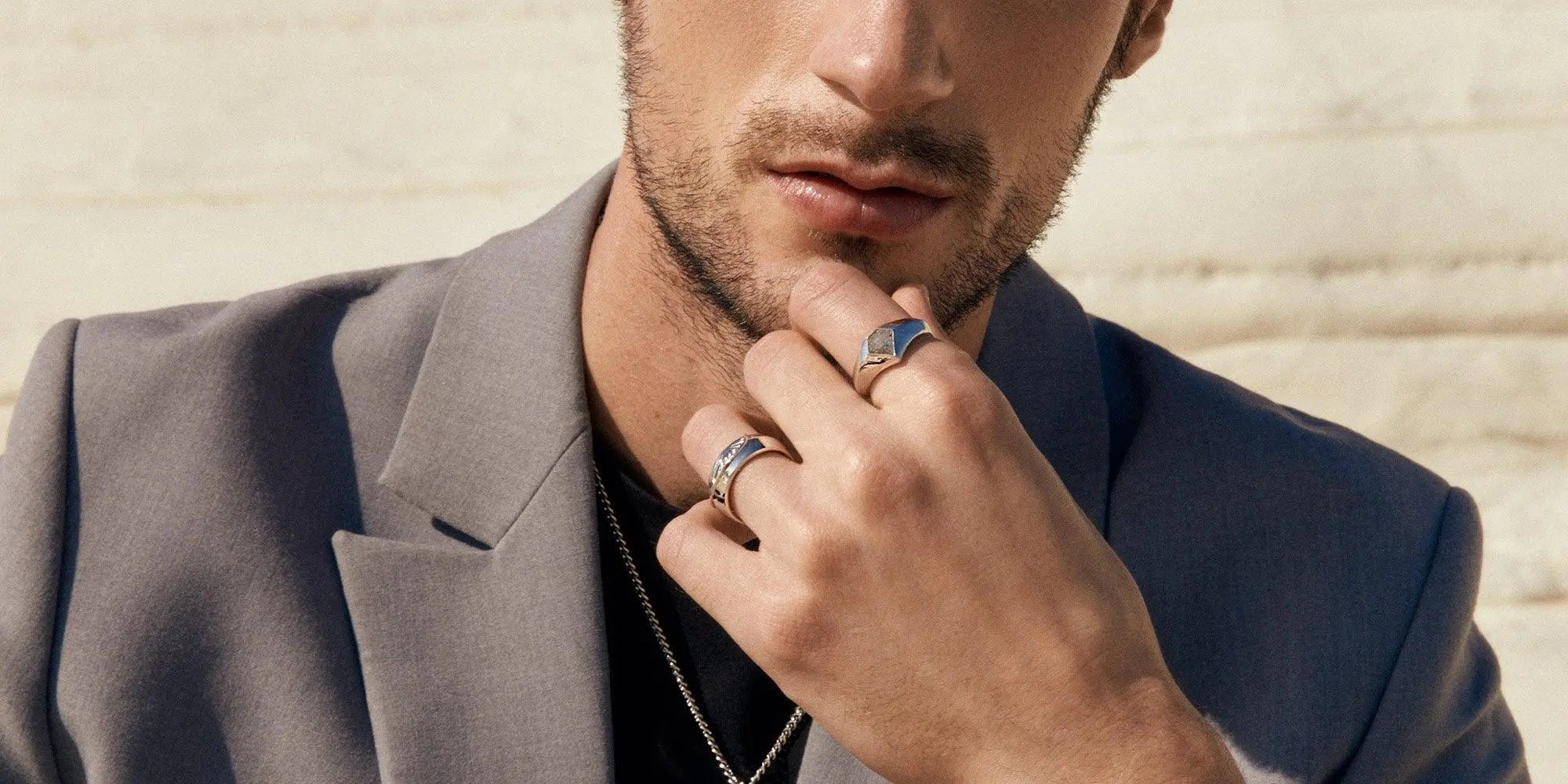
Wearing men's rings on different hands and fingers carries different symbolic meanings. Generally speaking, the left hand is thought to represent personal life and emotions, while the right hand represents one's career and social life. For example, the middle and ring fingers of the left hand are typically ideal positions for engagement and wedding rings, symbolizing firm commitment and love, while wearing a ring on the left pinky is said to symbolize being unmarried. The right thumb and index finger are often used to showcase authority and independence, though the right middle finger and pinky are not commonly used for wearing rings.
However, in modern society, we have gradually broken free from the constraints of assigning specific meanings to each finger. The way one wears rings varies by culture, personal preference, and social trends. Every man can freely choose according to his own needs, style, and beliefs, and can even wear rings on multiple fingers at once. This freedom reflects modern society's respect for individuality and diversity, allowing every man to curate his ring pairings as he pleases and discover his own unique flair.

Care and Maintenance of Rings
A ring is a precious piece of jewelry that not only reflects personal taste and style but also carries cherished memories and emotional value. Regular care and maintenance are crucial. The following guide will help you learn how to care for and maintain your rings in daily life.
Cleaning: Regularly clean your rings to remove accumulated dust, grime, and oils. You can use mild, non-irritating soapy water and a soft-bristled toothbrush to gently scrub the surface of the ring, drying it promptly with a clean cloth. Handle gemstone-set areas with care; it is recommended to only wipe these with a clean cloth.
Avoid Chemicals: Prevent rings from coming into contact with chemicals such as bleach, ammonia, cosmetics, and detergents, as these can cause damage to the metal and gemstones.
Store Separately: When you are not wearing your rings, they should be kept individually or stored separately in a jewelry box or pouch to avoid scratches caused by friction and collisions between metals.
Careful Transport: When you need to take rings with you, especially during long-distance travel, place them in a designated jewelry box to ensure they are not damaged during transit.
Regular Inspection: Regularly inspect your rings, especially the settings, to ensure that stones are not loose and the metal is not deformed or damaged. If you discover an issue, consult a jeweler immediately for repairs.
Appropriate Wear: Avoid wearing rings when using tools or participating in sports activities to reduce the risk of accidental damage.
Keep Away from Extreme Conditions: Avoid exposing rings to high/low temperatures or strong light for extended periods. It is not recommended to wear rings in humid environments such as swimming pools or hot springs to prevent metal from rusting or discoloring, or gemstones from fading.

The Significance of Rings Beyond a Lifetime
A ring is more than just a piece of jewelry; it holds landmark symbolic significance in one's life. This small circle carries the decisions of the present and the infinite possibilities of the future. They not only represent emotional commitments but also serve as vessels for life's faith, achievements, and beliefs. Although rings come in different styles and textures, they hold irreplaceable special meanings for the wearer, becoming an important part of every person's story.
A ring is not only a symbol of the present, but also a heritage for the future. When a ring is passed from one generation to the next, it carries the family's history, values, and blessings, becoming part of the family treasure passed on to a new owner. Thus, a ring becomes a witness to time, allowing us to build a connection between the past and the future. As a unique gift and symbol of heritage, a ring transcends the boundaries of time and space, becoming a vessel for emotion, family, and culture. Whether gifted during a special moment or passed down through generations, rings play an indispensable role in our lives, continuing to radiate light, condense hope and emotion, and perpetuate eternal value.