


【Trivia】The Truth About Meteorite Radiation: A Comprehensive Analysis of Meteorite Safety
Do meteorites really have radiation?
Many people worry when purchasing meteorite jewelry: Are meteorites radioactive? Is it safe to wear them on my body? As mysterious substances from space, meteorites do easily raise concerns. This article will provide a detailed answer to all your questions about meteorite radiation from a scientific perspective.
What is radiation?
Radiation is a form of energy propagation, mainly divided into two categories:
- Ionizing radiation: Including gamma rays, X-rays, etc., which have strong penetrating power
- Non-ionizing radiation: Such as visible light, radio waves, etc., with relatively lower energy
When discussing the issue of meteorite radiation, we are mainly concerned with ionizing radiation, because this type of radiation could theoretically have an impact on the human body.
Natural radiation in daily life
In the natural environment: All matter has radiation
First, we must understand a basic fact: in the environment where we live, all matter has more or less radiation, including:
- Rocks we encounter daily
- The air we breathe
- The food we eat
- Even our own bodies
Broadly speaking, humans actually live in a radioactive environment. Professional measurements show that the radiation level of the daily environment is usually between 0.1-0.2 μSv (microsieverts).
What is the radiation level of a meteorite?
Scientific research has found that the radiation value of a general meteorite is about 0.09 μSv, which is actually lower than the natural radiation level of our daily living environment. In other words, meteorites do not pose an additional radiation risk to us.

Radiation differences among different types of meteorites
Meteorites are mainly divided into three categories:
- Stony meteorites: Composed mainly of silicate minerals
- Stony-iron meteorites: A mixture of metal and silicate minerals
- Iron meteorites (siderites): Composed mainly of iron-nickel alloys
Among these, iron meteorites usually have the lowest radiation levels because they are composed primarily of metal.
Swedish Muonionalusta meteorite: A model of safety
Historical background
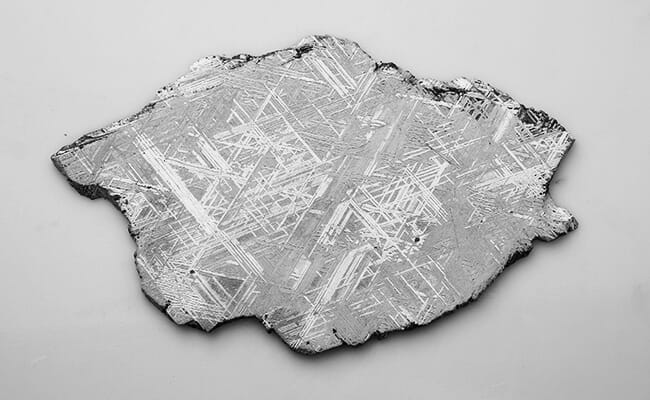
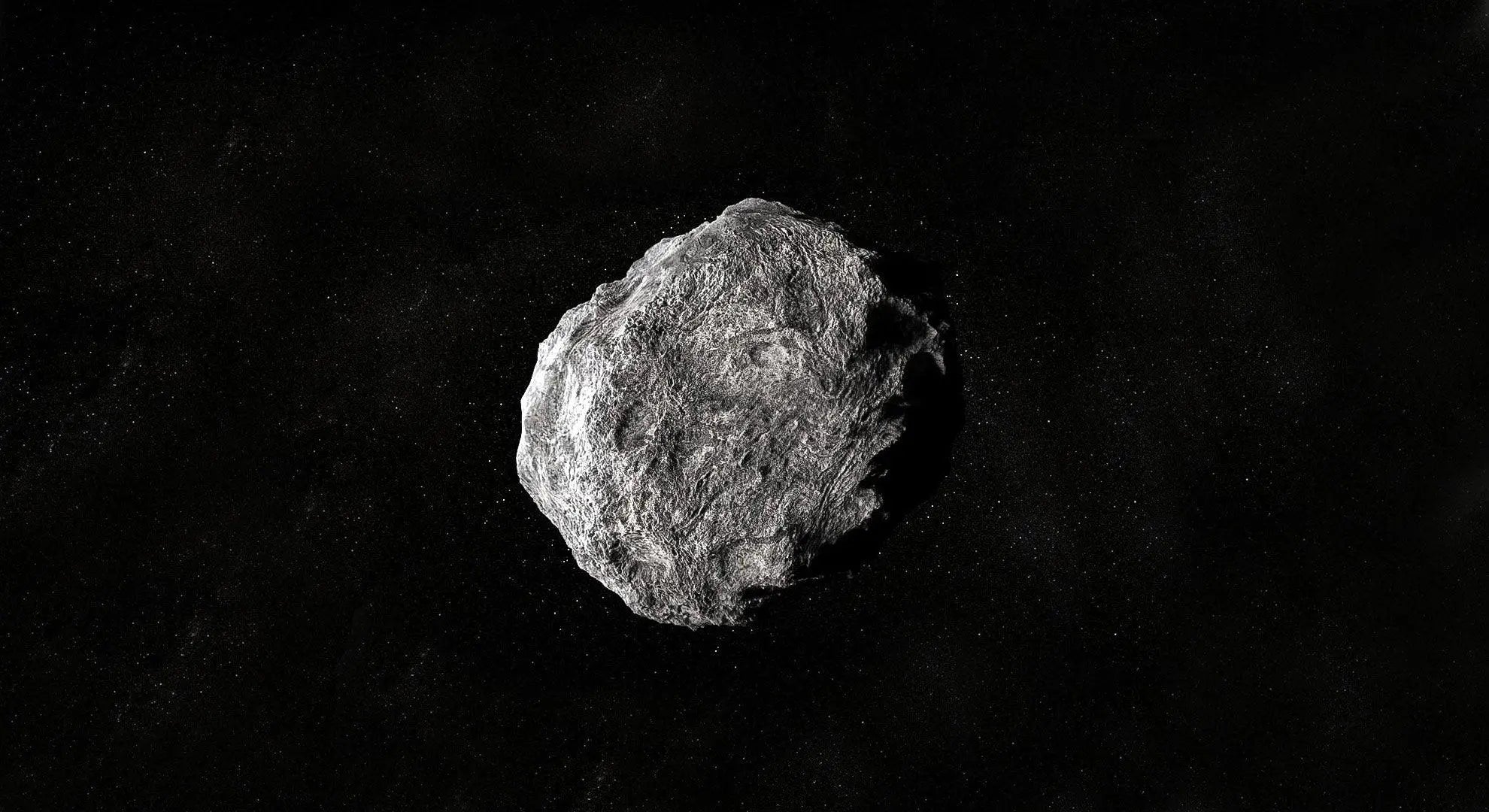
The Swedish Muonionalusta meteorite is an excellent example. This famous meteorite was discovered in northern Scandinavia in 1906, and its impact on Earth dates back to 1 million years ago.
Before falling to Earth, the parent body of a meteorite is directly exposed to cosmic rays and is mostly radioactive. When the Muonionalusta meteorite fell from outer space to Earth, distance and environmental changes caused the radioactivity within the meteorite to decay rapidly, especially when passing through Earth's atmosphere, where temperatures and climate undergo drastic changes. Therefore, most Muonionalusta meteorites that reach Earth have only a tiny amount of residual radioactivity and are harmless to the human body.
Characteristics of the Swedish Muonionalusta meteorite:
Composition
- 90% iron
- 9% nickel
- 1% other elements
This composition structure gives it extremely low radioactivity.
Radiation level comparison
Scientific data shows:
- Uranium content in ordinary crustal rocks: about 2.5 ppm
- Uranium content in Swedish Muonionalusta meteorite: only about 0.002 ppm
This difference fully demonstrates the safety of the Swedish Muonionalusta meteorite.
Why does the radiation of a meteorite decrease?
When a meteorite enters the Earth, it goes through several important stages:
Atmospheric transit
- High-temperature burning process
- Drastic environmental changes
These all cause the original radioactive materials to decay rapidly.
Surface deposition
- Passing through long geological eras
- Natural weathering processes
These further reduce the content of radioactive materials.
Authoritative recognition of safety
The choices of world-leading brands say it all:
- Luxury watch brands such as Rolex, Piaget, and Jaeger-LeCoultre have all chosen the Swedish Muonionalusta meteorite to create limited-edition watches
- The strict material selection standards of these luxury brands are in themselves the best proof of the safety of meteorites
Professional advice
Although meteorites themselves are safe, when purchasing meteorite products, it is recommended to:
- Choose to purchase from legitimate channels
- Ensure it has undergone professional processing
- Prioritize products from well-known brands
Based on scientific research and practical applications, the radiation level of meteorites is not only safe but usually lower than the natural radiation we are exposed to daily. Especially for iron meteorites like the Swedish Muonionalusta, their radiation level is negligible. Therefore, wearing jewelry made of meteorites will not cause any radiation harm to your health at all.
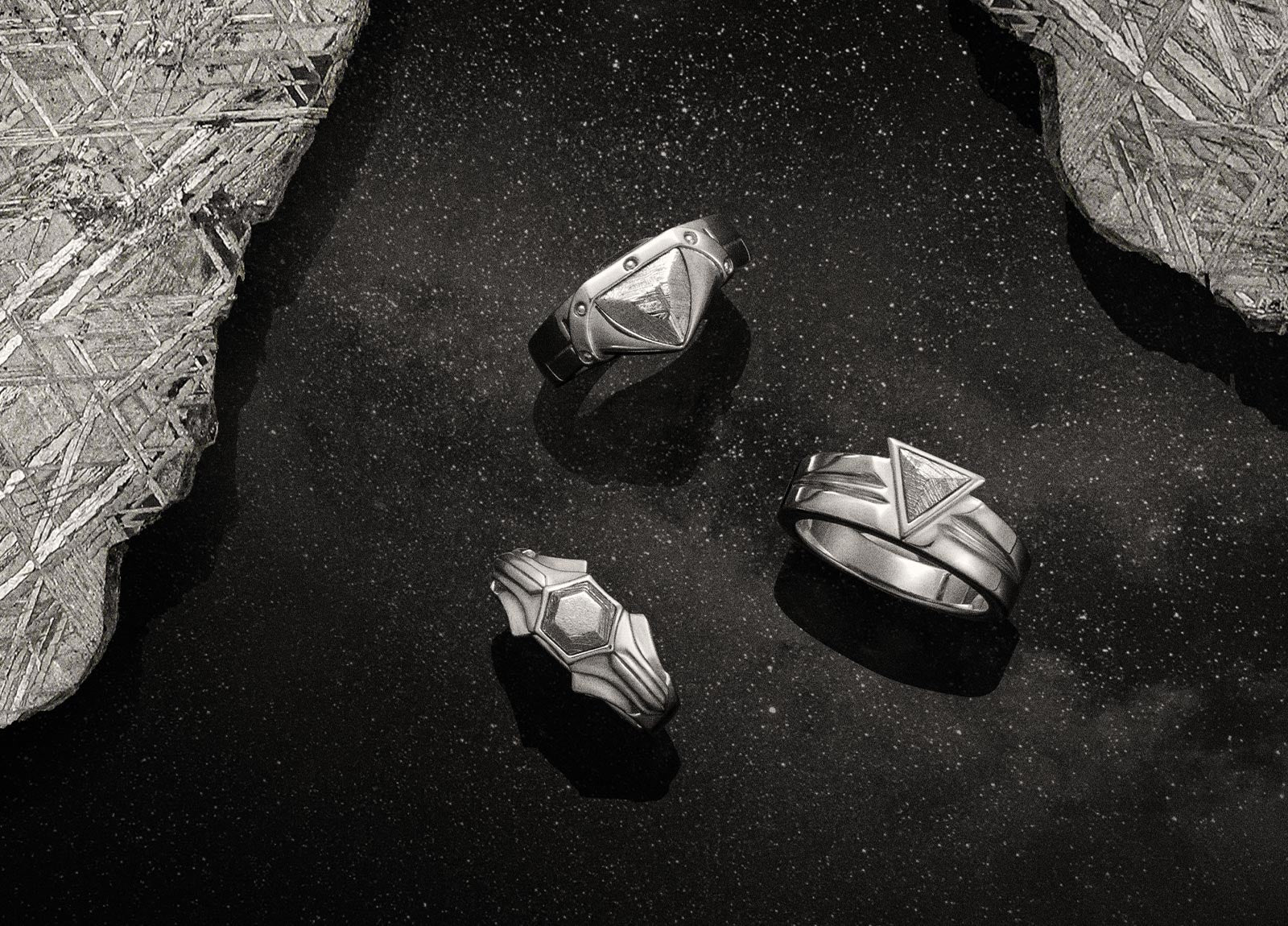
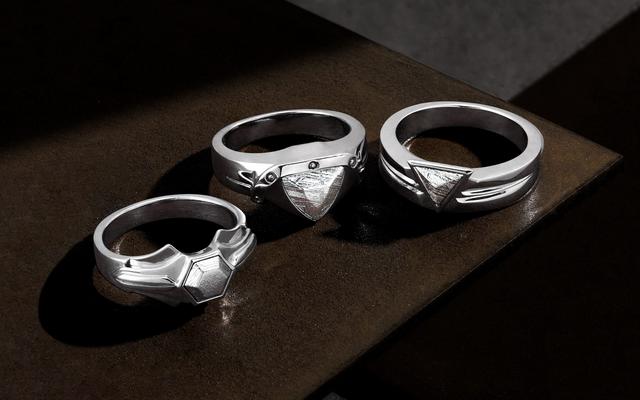
AWNL has been researching meteorite jewelry design for decades, using professional techniques to carefully craft wearable meteorite jewelry, ensuring the safety of every wearer.
References:
Ruggeri, M., et al. (2020). "What is Radiation and How Does it Affect Us?". Radiation Research.
Doyle, D., & Brozowski, P. (2018). "Meteorites and Radioactivity: Implications for Earth’s Radiation Environment." Journal of Space Science.