


A Brief History of Scandinavian Jewelry
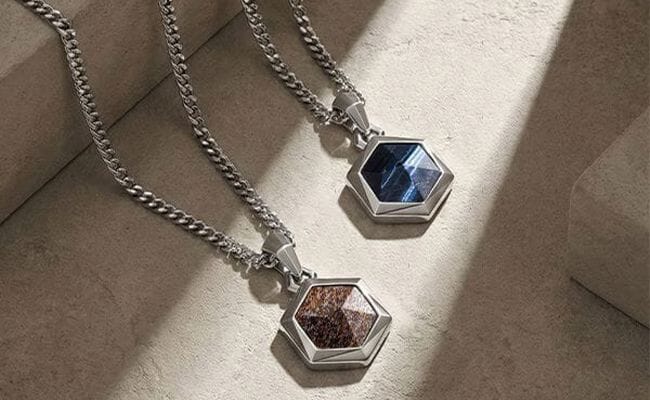
When it comes to Nordic jewelry, our first impression might be that it is expensive, and second, that it is crude. Although it certainly lacks the delicacy of Western European jewelry and the distinct style of medieval jewelry, those who are passionate about jewelry as heirlooms remain obsessed with Nordic pieces. After all, the bold and classic style of Nordic jewelry better aligns with our pursuit of timelessness and perfection.
Nordic jewelry is expensive, which is related to the relatively high cost of living and sparse population in the region. A small population naturally leads to high prices for Nordic jewelry, as labor costs are high. In addition, other factors such as processing efficiency, supply chains, and jewelry design are also linked to the final price of the jewelry. In Stockholm, one can often see American second-hand jewelry sold by weight, which is enough to show how much Nordic countries lack metal resources. Even after searching antique markets in Denmark for several months, one might only find a dozen silver rings.
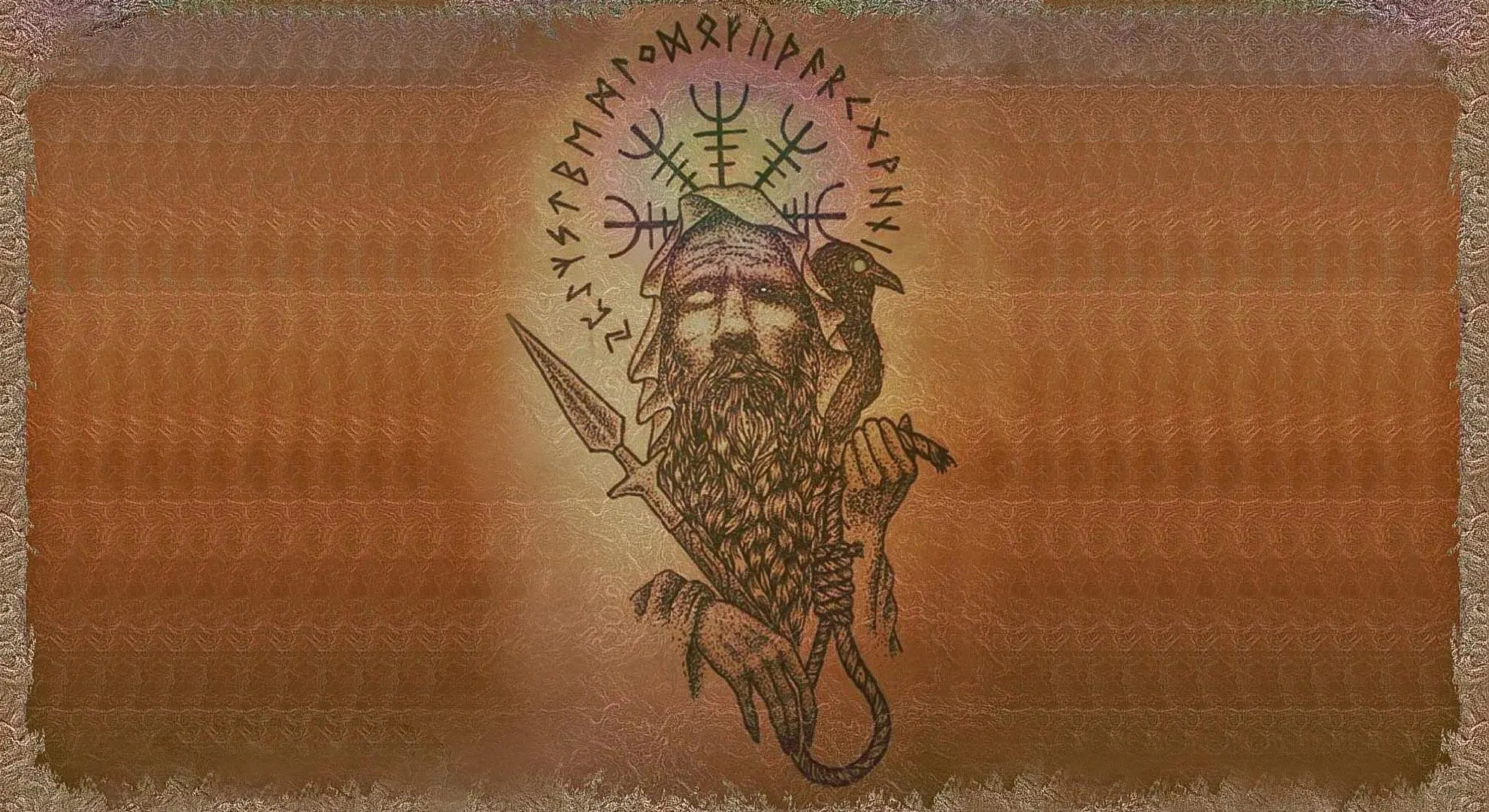
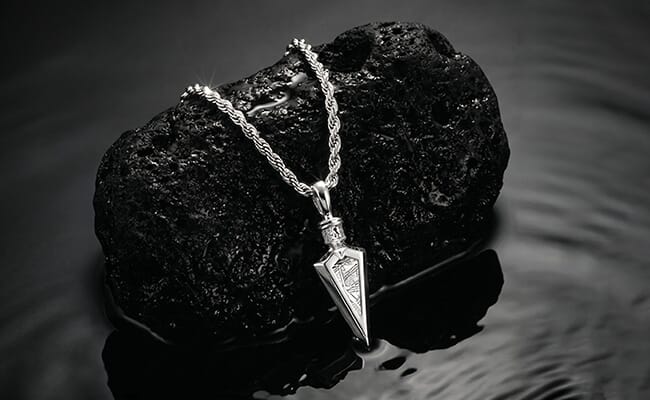
Ruggedness is another stereotype people have about Nordic jewelry, which we usually associate with the characteristics of the Vikings: a group of robust warriors, always wearing silver helmets and heavy armor while fighting each other. At the same time, this same group of tough men was obsessed with creating a vast amount of jewelry using bronze, brass, silver, and gold. This practice can be traced back to 800 BC, and today, their craftsmanship has become even more refined.
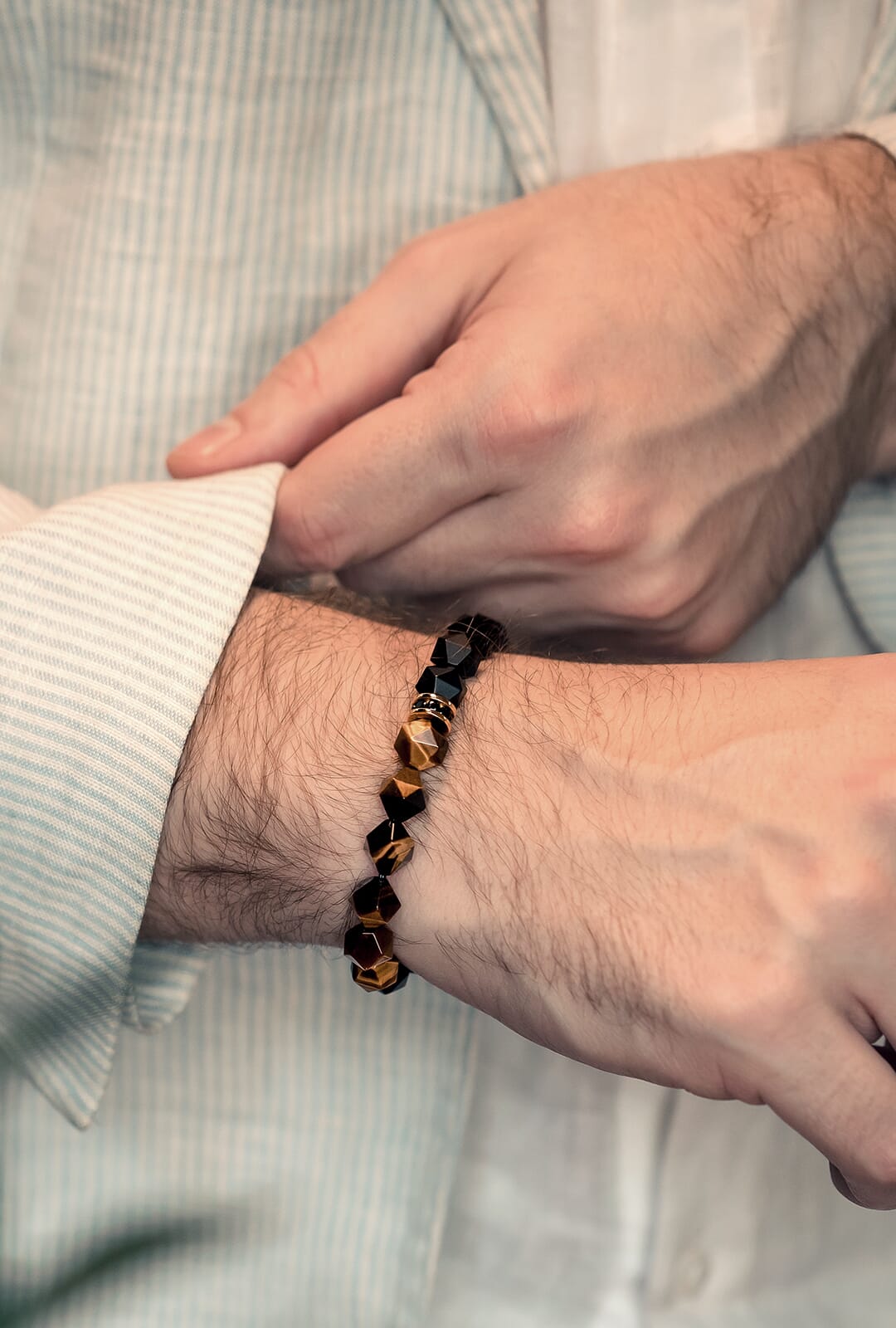
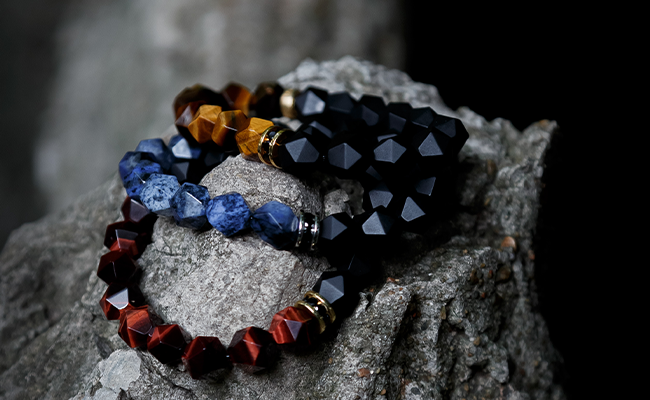
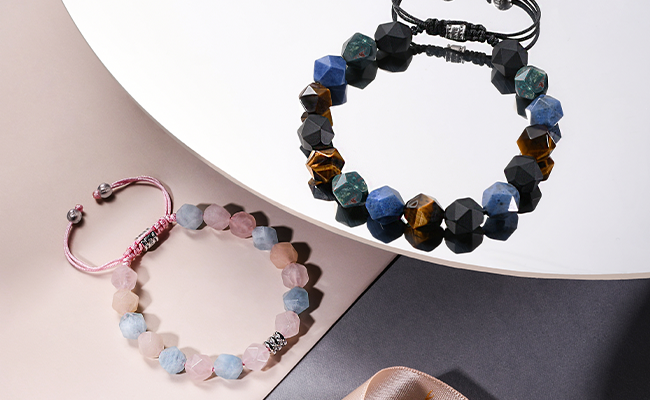
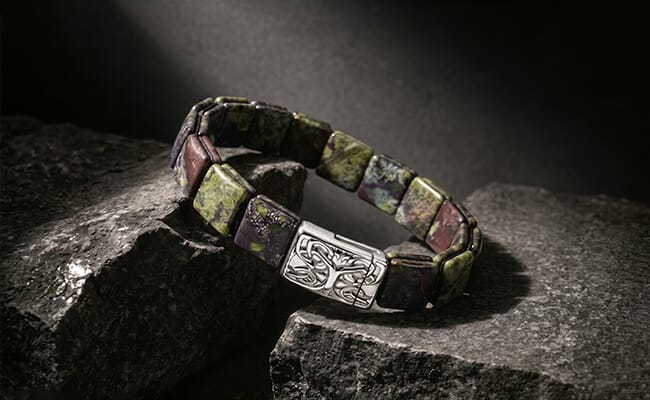
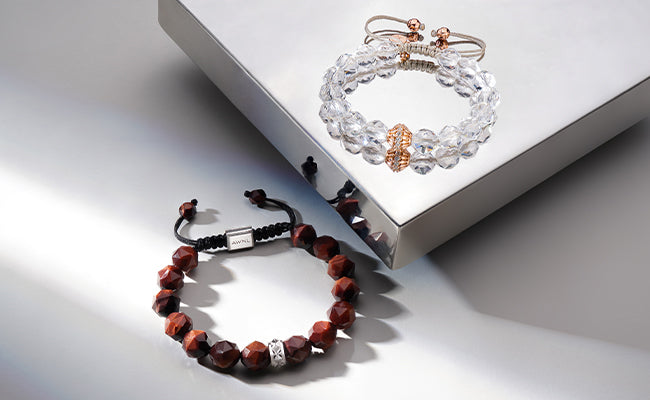
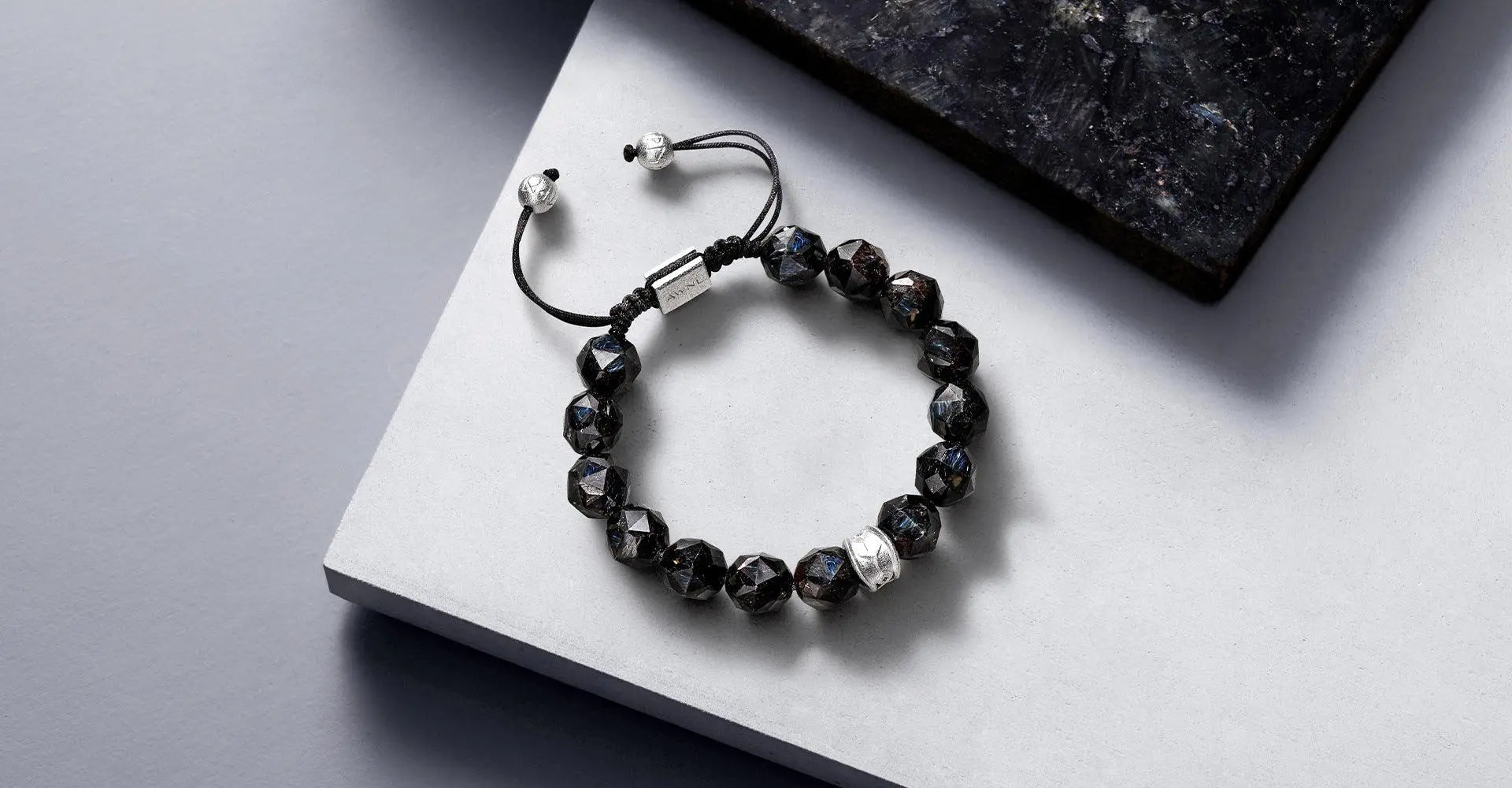
Viking beads made of amber or glass were the most common components of necklaces at the time. Scarce materials like glass were usually imported from Western Europe. Because they were handmade, each Viking bead is unique. Although glass beads are ubiquitous today, archaeological findings from Viking burials indicate that Viking beads were extremely rare. Even in ornaments that do feature Viking beads, the number rarely exceeds three. At the time, beads could be worn individually or with other pendants—for instance, Thor's hammer pendants were often flanked by beads. Finding more than three beads on a single item is extremely rare, indicating that Viking beads were both precious and rare, serving as symbols of a person’s wealth and social status.