






Widmanstätten patterns: cosmic codes on iron meteorites
The Connection Between Metal and Human Civilization
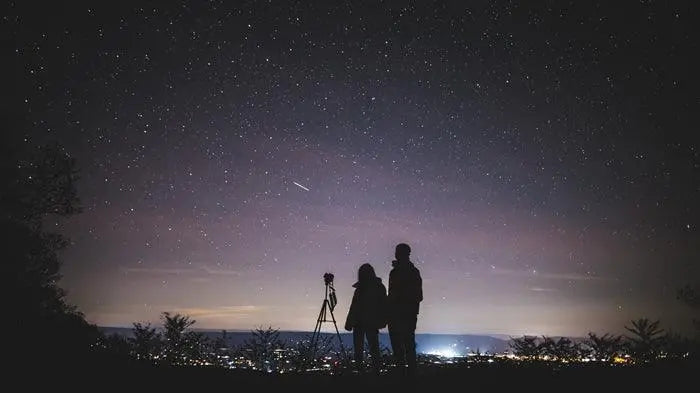
The bond between humanity and metal is like a destiny written in the stars. From the earliest Stone Age to the Bronze Age, and then to the Iron Age, every major leap in human civilization has been inseparable from the use of metal. However, long before humans mastered the art of iron smelting, the heavens had already provided a first gift—the iron meteorite. These visitors from beyond, like a dowry cast down by the divine, opened the very first door for humanity to understand iron.
The Discovery and Naming of the Widmanstätten Pattern
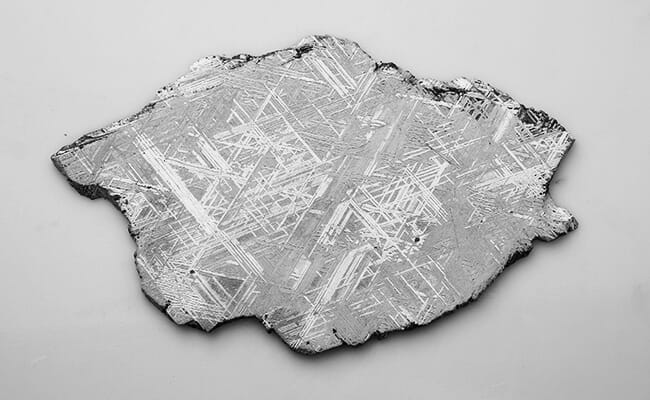
The Widmanstätten pattern, also known as the Thomson structure, is the unique identity mark of iron meteorites. To understand how this pattern got its name, one must look back to 1808. That year, the Austrian Count Alois von Beckh Widmanstätten accidentally discovered this stunning texture, and thus, this cosmic fingerprint has carried his name to this day. The intricacy of this pattern is like the calligraphy of nature, carving the traces of time into eternal art.
The Uniqueness of the Swedish Muonionalusta Meteorite
Taking the Swedish Muonionalusta meteorite (or M-meteorite for short) as an example, this "relic of the cosmos" is truly a standout among iron meteorites. It shares the same origin as the Gibeon iron meteorite of Namibia, both being fragments of a planetary iron core. Its nickel content reaches up to 9%, far exceeding the less than 1% found in natural iron ore on Earth; this is the proof of its "otherworldly" identity.

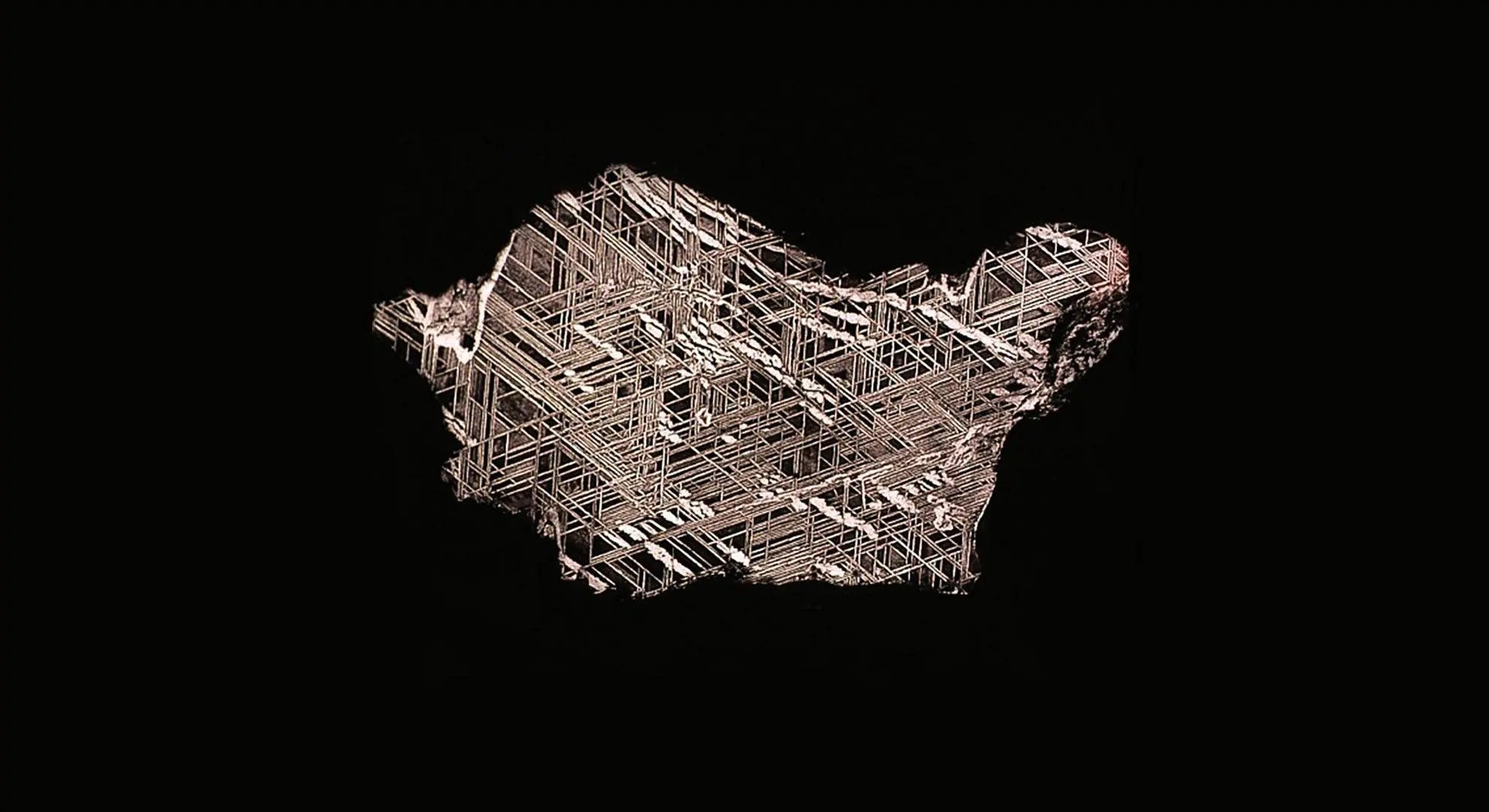
(Iron Meteorite)
The Cosmic Art of Time
The formation of this texture is the result of time’s most patient artistic endeavor. In the depths of space, the iron-nickel melt cooled at a rate of one-thousandth of a degree per year, requiring twenty million to two hundred million years to weave this breathtaking pattern. This is why the Widmanstätten pattern is hailed as the earliest "signature" of the solar system, a masterpiece brushed by cosmic forces onto an ancient planet.
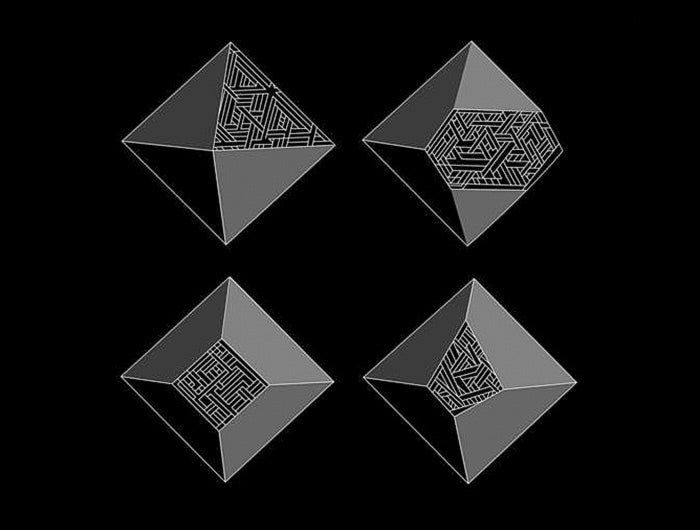
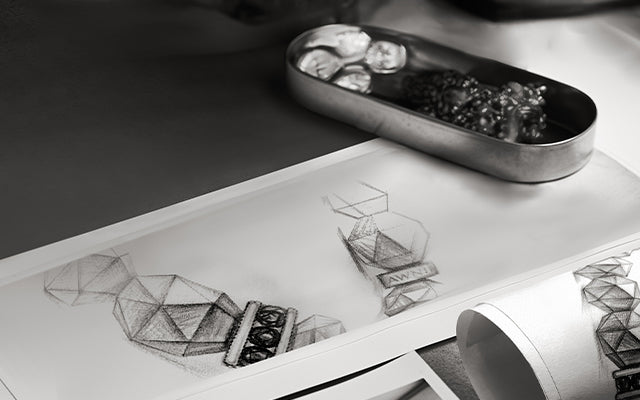
(Widmanstätten Pattern CAD)
The Revealing Process of the Widmanstätten Pattern
The formation of the Widmanstätten structure is a testament to the slow, meticulous work of the universe. To reveal this pattern on the surface of a raw, unprocessed meteorite, it requires a delicate "initiation":
- Surface Preparation: Polishing the sample to a mirror-like finish
- Chemical Treatment: Gently bathing it in a solution of nitric acid and alcohol
- Development Time: Approximately half a minute to a full minute
- Post-treatment Protection: Prompt neutralization, cleaning, and application of anti-rust oil
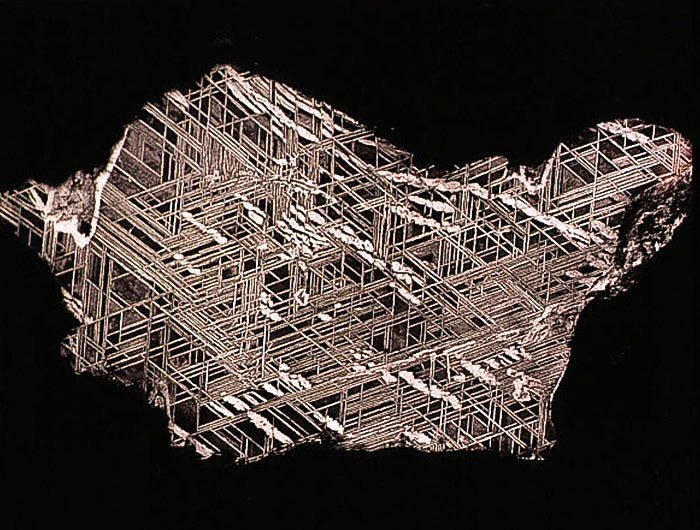
(Widmanstätten Pattern)
Applications in Modern Jewelry Craft
As French biologist Roger Caillois once noted in *The Writing of Stones*: "The textures and patterns of minerals are the ciphers for decoding the mysteries of the universe." This applies perfectly to the Widmanstätten pattern. The favor of top-tier global brands serves as proof: Rolex, Piaget, and Jaeger-LeCoultre have all utilized the Swedish Muonionalusta meteorite to create limited-edition timepieces, which are highly sought after by collectors worldwide.
Design Inspiration and Artistic Value
As a material for decoration and artisanal craft, the Muonionalusta meteorite is extremely precious. It is considered one of the most beautiful etched meteorites, reminiscent of the calligraphic paintings of Mark Tobey and Brion Gysin.

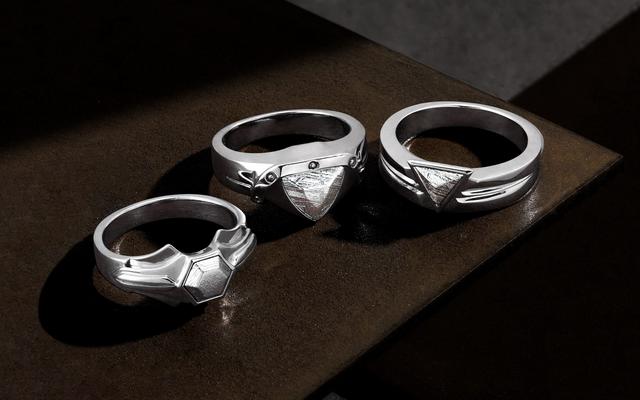
When creating their work, contemporary jewelry designers often look to the Widmanstätten structure as a source of inspiration. These intertwined geometric textures are both cosmic art and a witness to time. Every piece of jewelry made from the M-meteorite seems to carry a story spanning hundreds of millions of years, allowing the wearer to form a direct connection with the universe.
Holding a meteorite with the Widmanstätten pattern is akin to reading a chronicle of the cosmos. It is not merely a decoration, but a spiritual dialogue spanning time and space. Much like the ancients carved inscriptions onto bronze vessels to record events, the heavens have left this unique "celestial script" on meteorites, simply waiting for someone fated to decipher it.
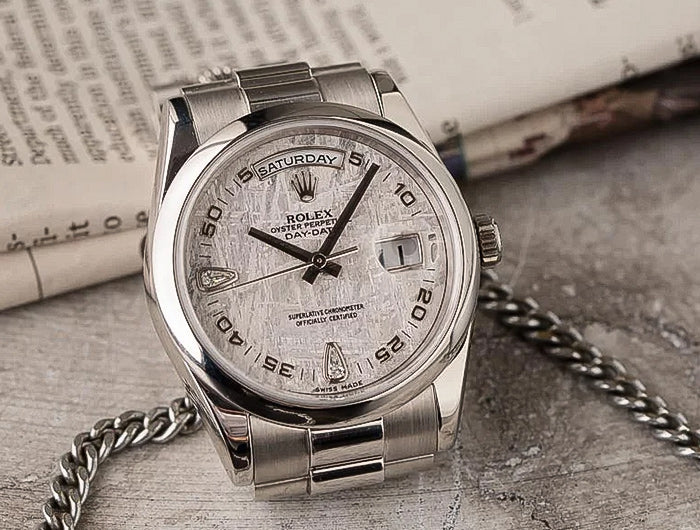
(Rolex Day-Date 118206 Watch)
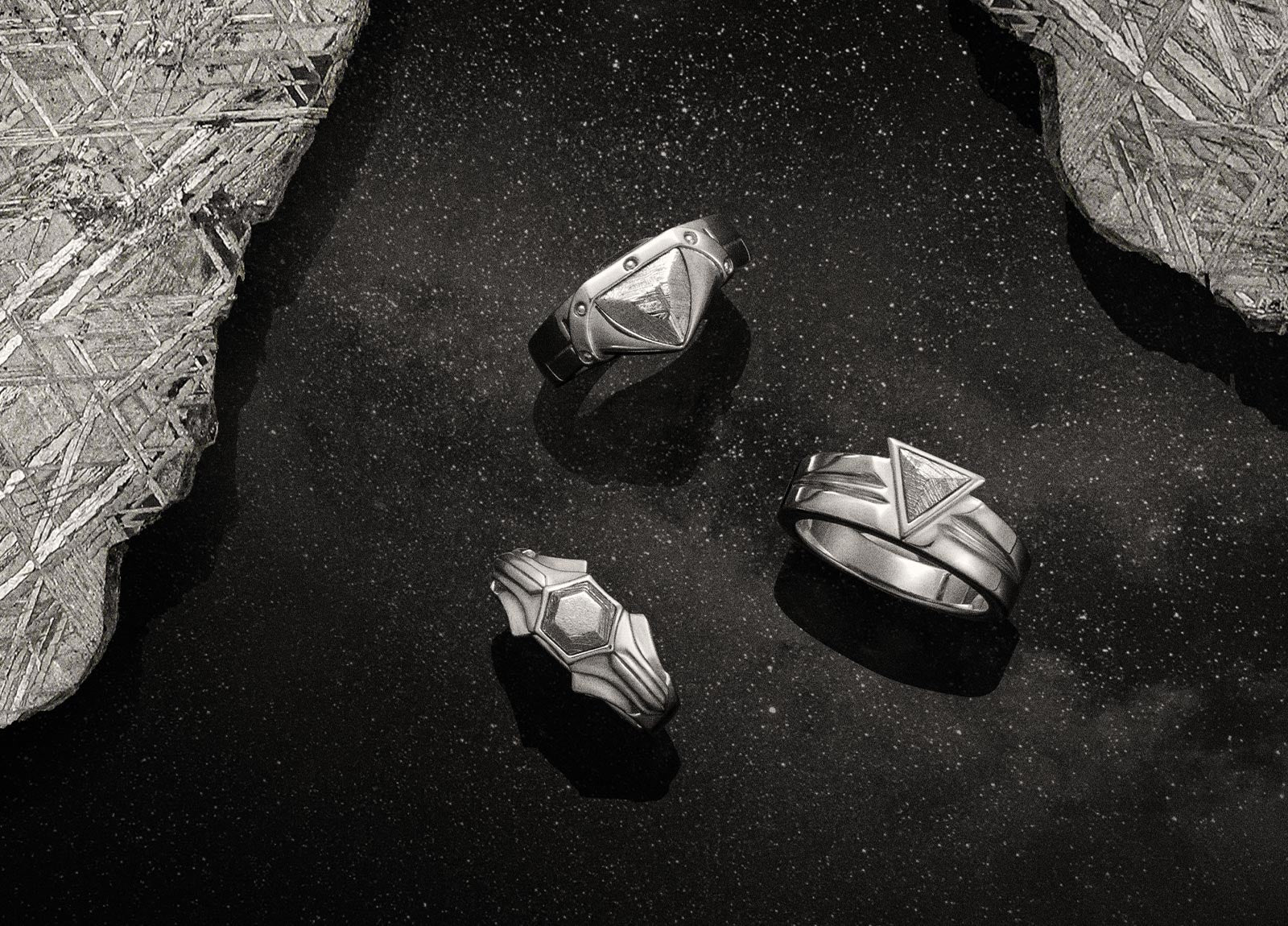
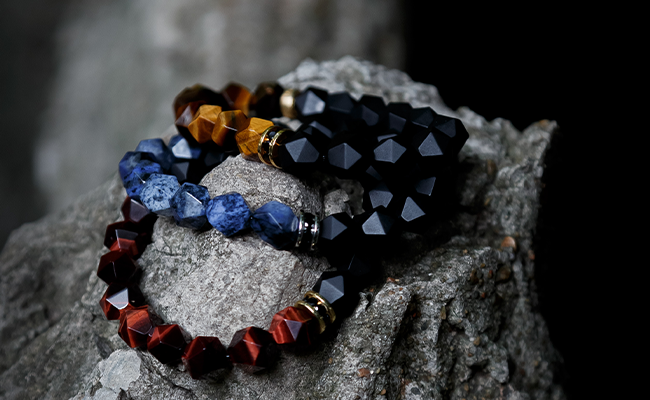
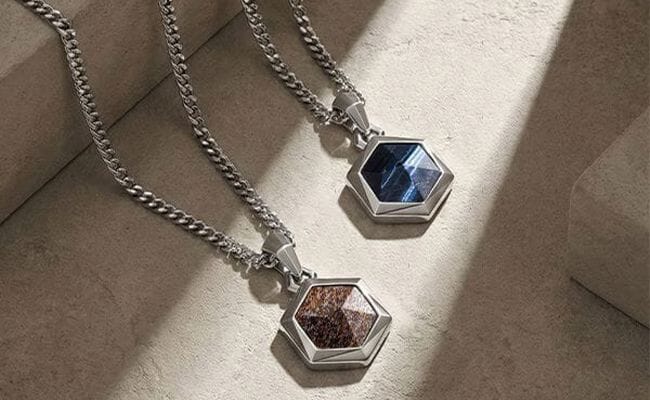
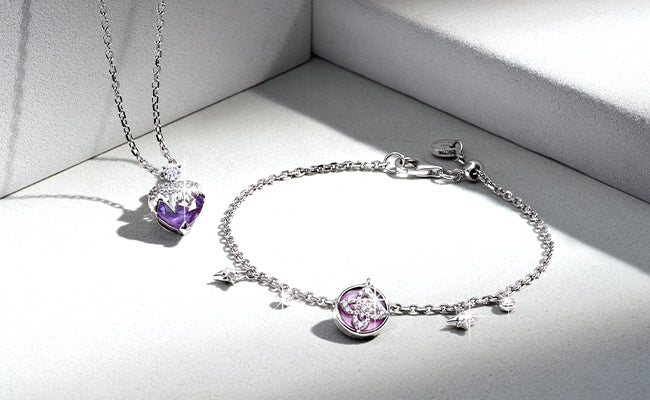
Explore AWNL Swedish Meteorite Jewelry