

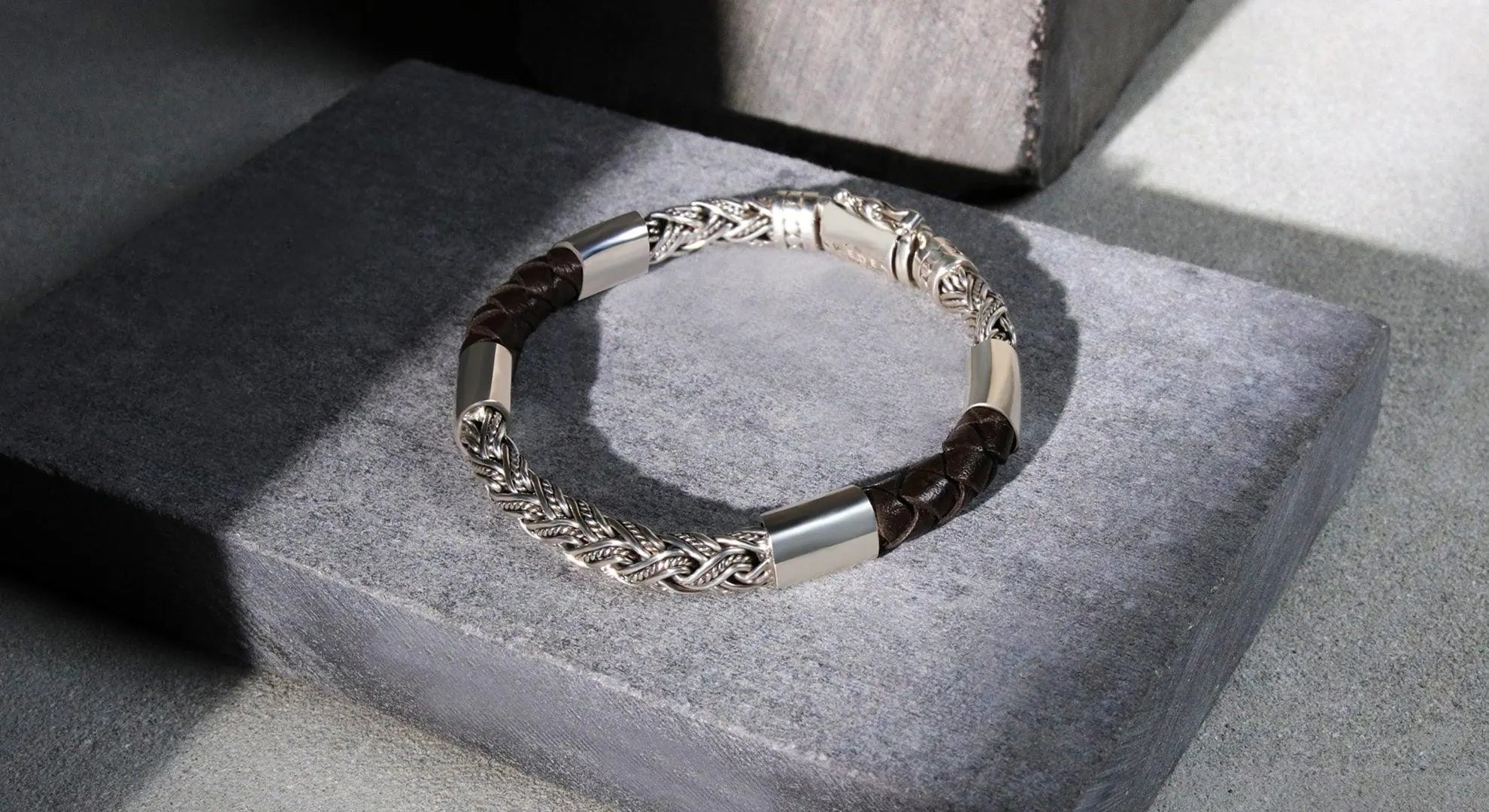
The Story Behind Viking Jewelry Design
In the Viking Age, jewelry and trinkets were an essential aspect of Viking life. They symbolized tribal membership, were used to bestow fighting ability, and were a way to showcase status and wealth. Used in daily life, from work to hunting, and even in combat and warfare, jewelry served as a badge of Viking pride.
Origins - Where did the Vikings come from?
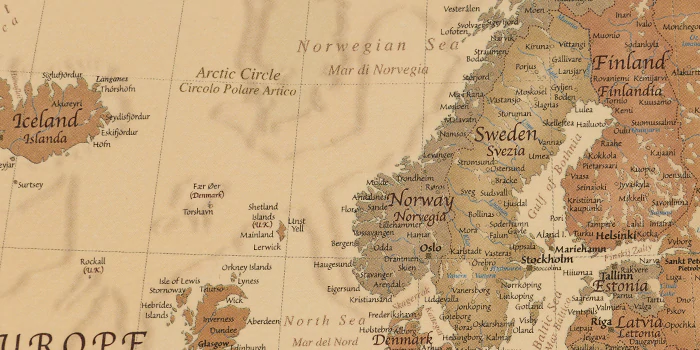
The origin of the Vikings comes from their name. In Old Norse, the language spoken by the Vikings, "Vik" means a bay or inlet; Vik is the root of the word Viking, which essentially means pirate. Vikings are believed to have come from the Scandinavian Peninsula and were the predecessors of the Swedes, Danes, and Norwegians. However, not everyone from that region was a Viking.
What kind of jewelry did the Vikings wear?
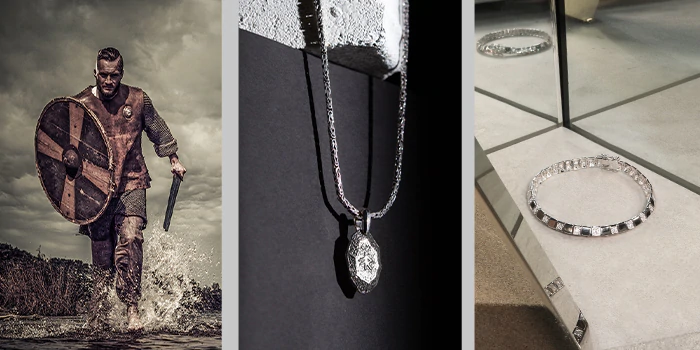
Their love for jewelry surpassed everything else, and they were often dazzlingly decorated from head to toe. Silver and bronze were their favorite metals. Viking society had a strict hierarchy; social status and rank had a huge impact on the type of jewelry people wore. Women preferred bronze brooches and armbands. Earrings, however, were not very popular.
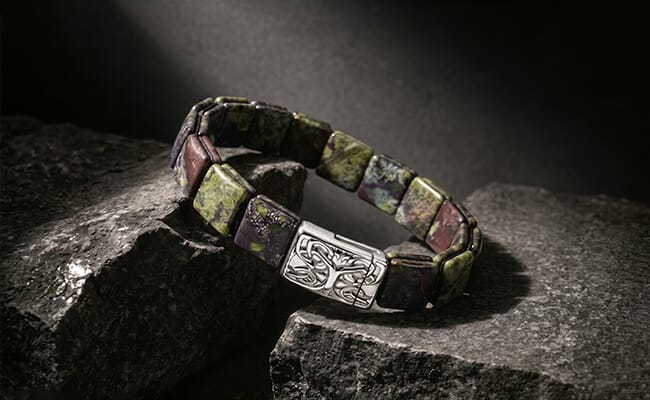
Design concepts were unique in Viking culture. Symbols like runic alphabets, the Tree of Life, hammers, triangles, and horns were at the forefront of trends in Viking culture, each holding different mystical properties in Norse mythology. Certain animals were also part of their jewelry designs.
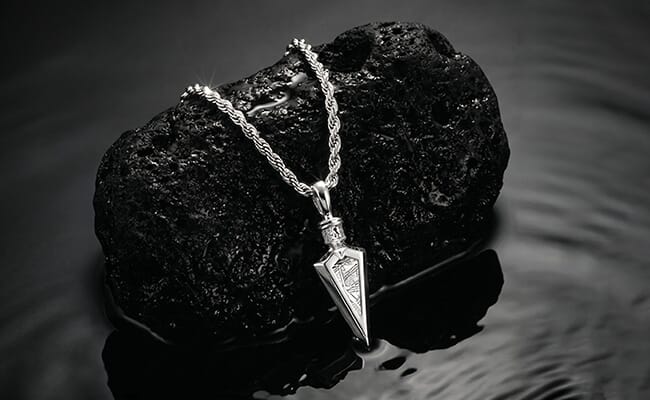
All these elements are widely used by many modern jewelry companies, and ours also focuses on talisman jewelry inspired by Norse mythology.
What materials did the Vikings prefer to use?
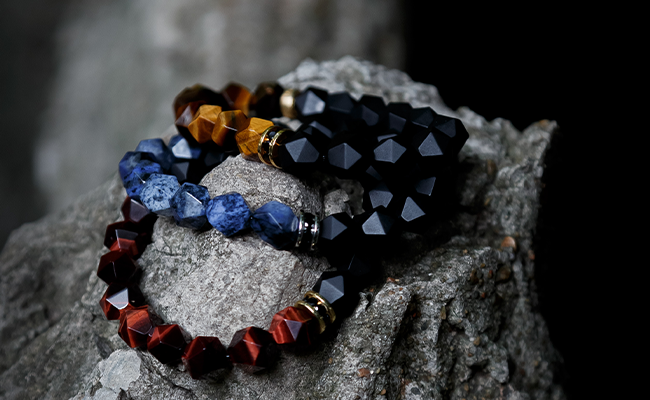
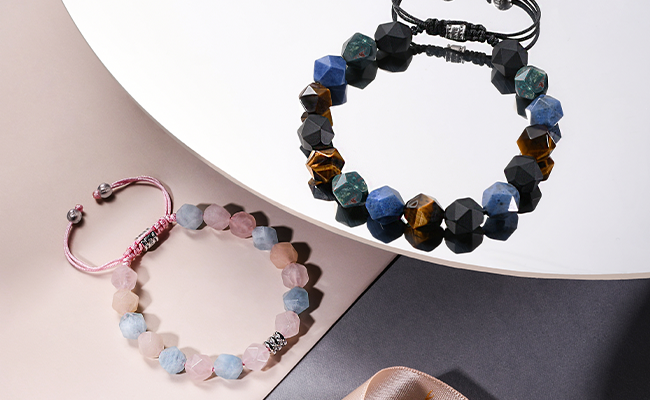
Unusually for the Middle Ages, Viking jewelry had a strong preference for silver. Gold and silver had to be acquired through Viking raids, conquests, or trade, as the Scandinavian Peninsula lacked natural deposits of these metals. Today, Viking jewelry has expanded to include bronze, glass, and brass. Filigree and repoussé were two of the main techniques used for Viking jewelry; in the early stages, they were crafted with natural and animal motifs. In later periods, Viking jewelry also featured simple geometric patterns. They also wore beads made from gemstones and rocks, though these were not combined with silver.
Given the technological limitations of the time, jewelry was most likely made from silver, bronze, or even gold. Precious metals were collected from across Europe through looting or trade. Meanwhile, their jewelry designs were not without precious stones like amber.
Why did the Vikings love wearing jewelry?
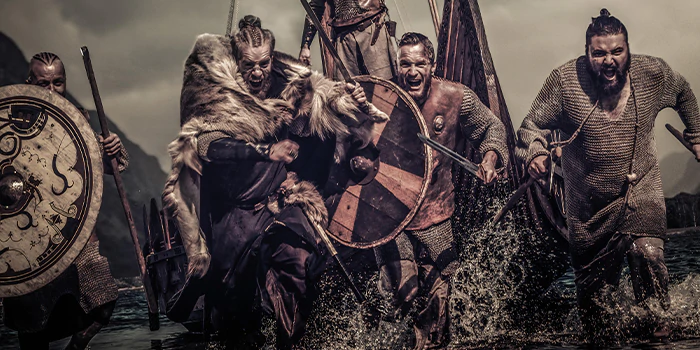
Viking jewelry was more than just an accessory; it was an identity of their tribe. At a glance, the jewelry a man wore could reveal his status, occupation, and even his family. Viking women required jewelry to pin their clothes together, and it was rare to see them without some form of trinket.
For leaders and chieftains, the jewelry they wore was more about showcasing wealth and power. They wore more meaningful attire, which was said to embody bravery, strength, and nobility. Gifts from tribal leaders were important tokens, symbolizing powerful alliances.
The Norse religion was polytheistic, with many gods for many different occasions. This wide variety of deities was also reflected in their jewelry, alongside the divine inspiration they drew from their daily lives, animals, and nature.
The Meaning of Viking Bracelets
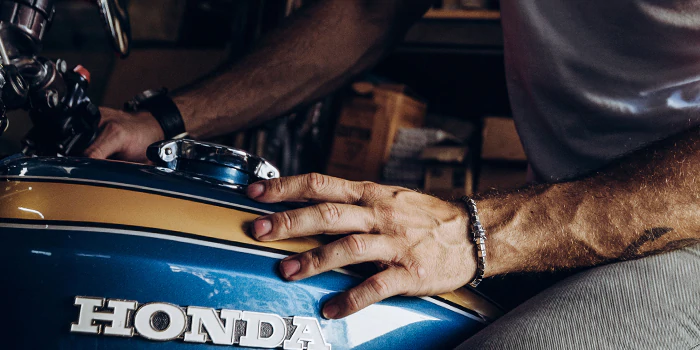
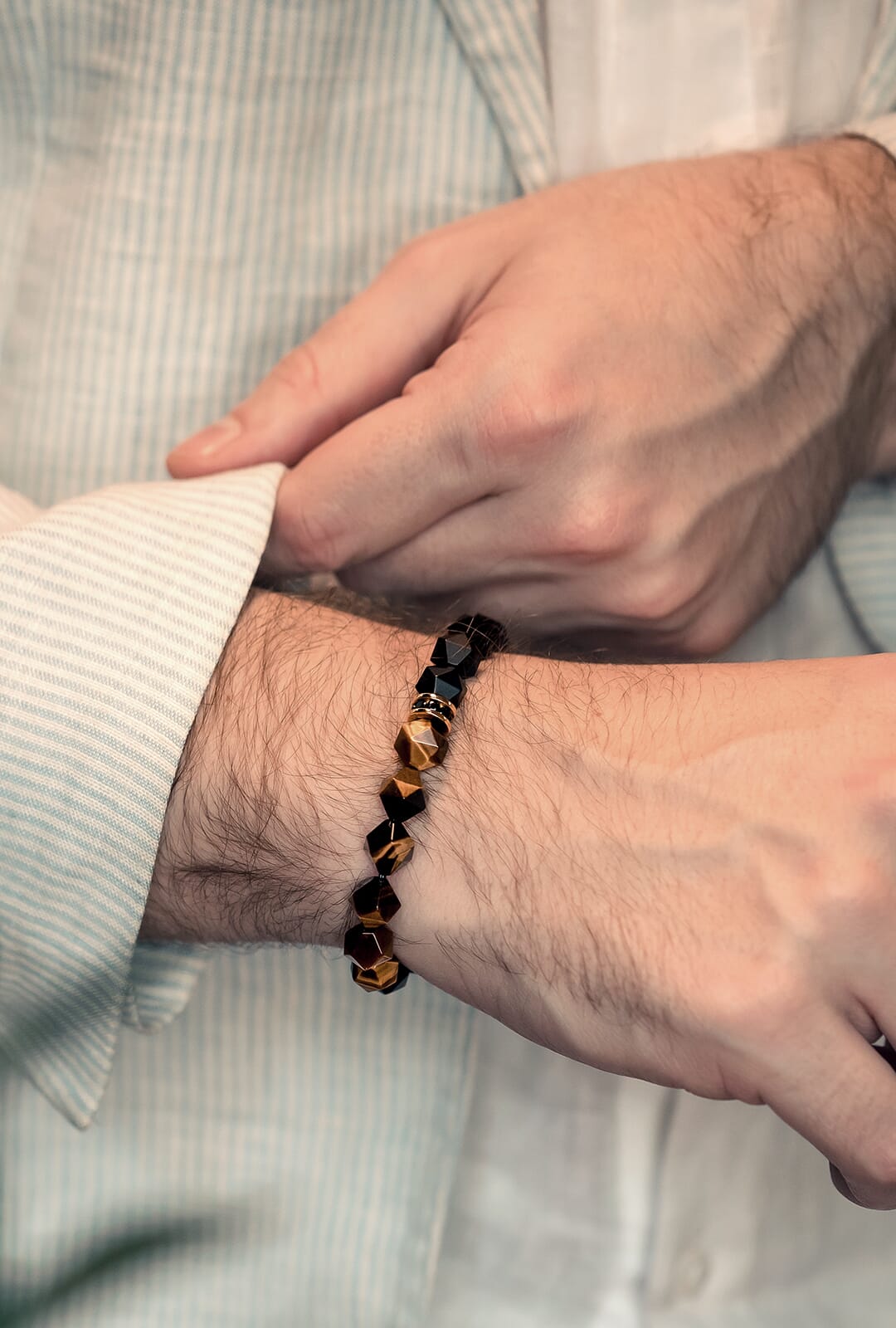
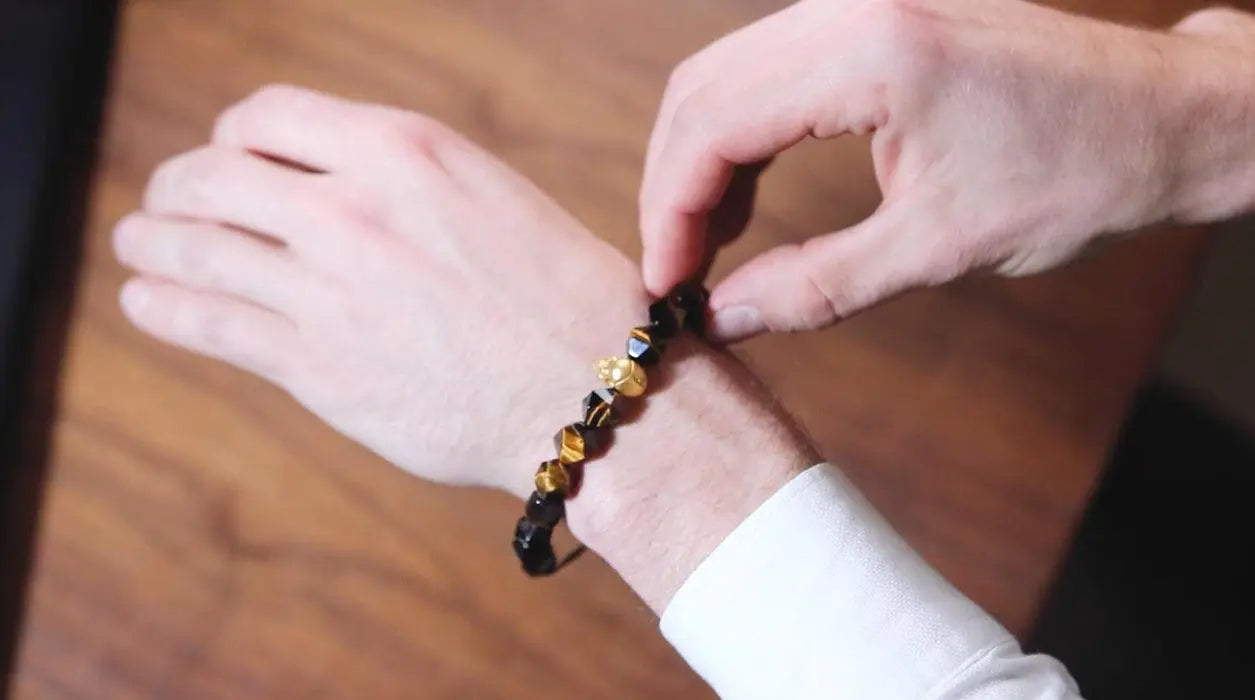
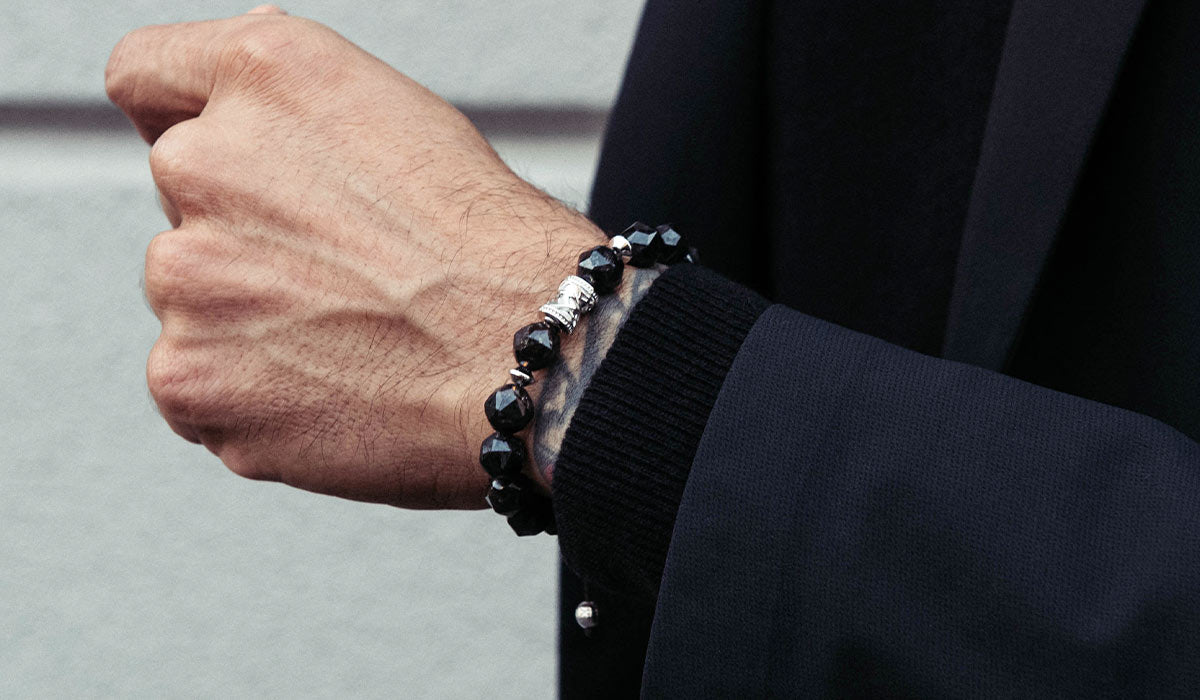
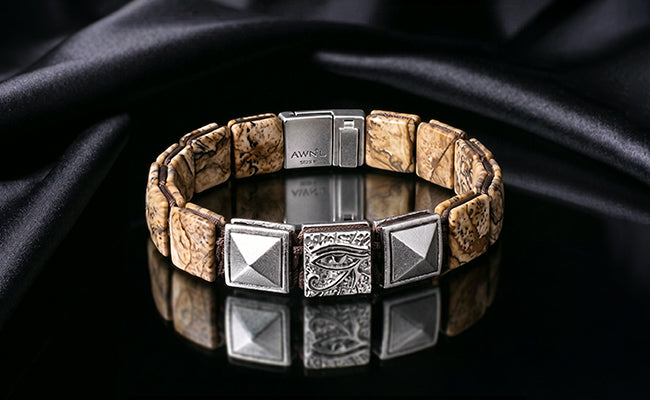
Among the many types of Viking jewelry, such as necklaces, rings, and earrings, the bracelet emerged as a significant piece in the world of Viking adornment. Back then, the role of a bracelet was more than just an accessory in a box. It served as an icon and a visualization of glory for someone who had achieved something special, unique, and resilient—a symbol that distinguished them from others.
Among all types of Viking jewelry, the bracelet is unique in representing a person on the rise. It is a symbol of someone who has achieved a special or glorious feat, setting them apart from the rest.
In other cases, the meaning of a Viking bracelet depended on the design. It was believed that different elements and symbols imbued the wearer with specific powers, especially for warriors in battle and raids. Using runic alphabets, rooted in white Norse magic, it was often worn to bring protection and blessings in combat. Mjolnir, or Thor's Hammer, was also a symbol of strength and protection as a talisman. Various bracelets granted various attributes, but they shared common goals: ensuring that the wearer would return victorious from battle after battle.
In our current difficult times, wearing Viking jewelry with powerful mystical protection can infuse you with potent Norse white magic to ward off evil and negativity. This ensures we return safely to our families.
The Popularity of Viking Jewelry Around the World
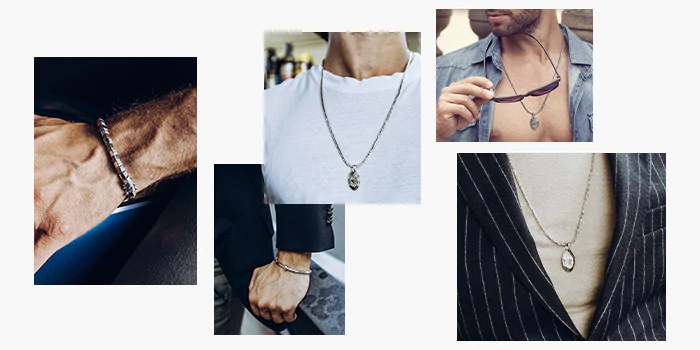
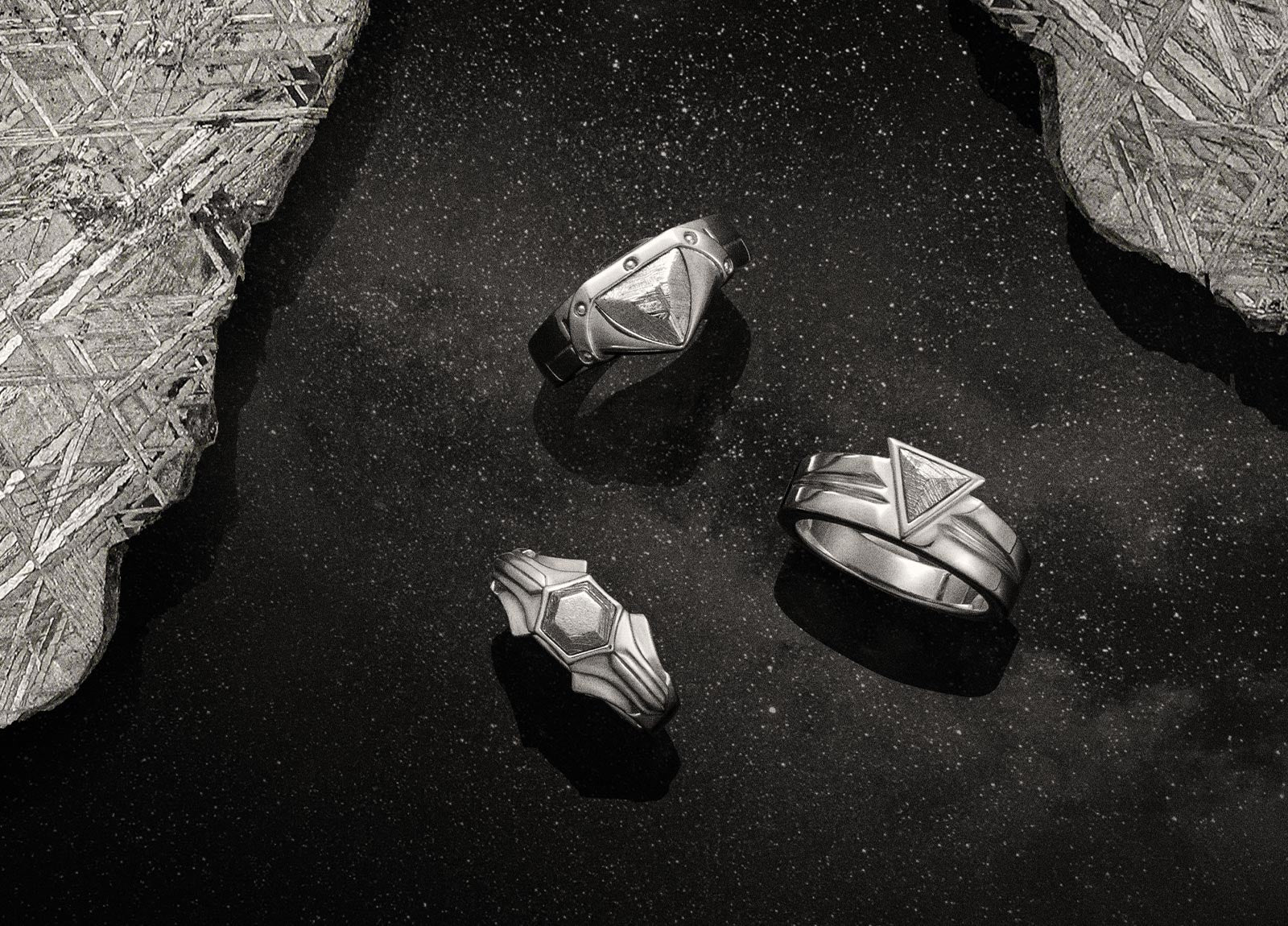
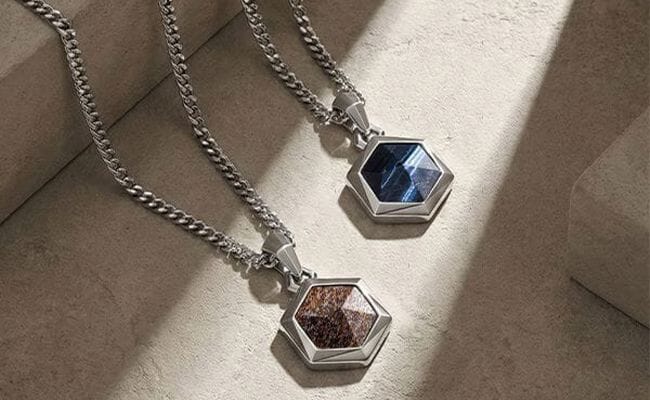
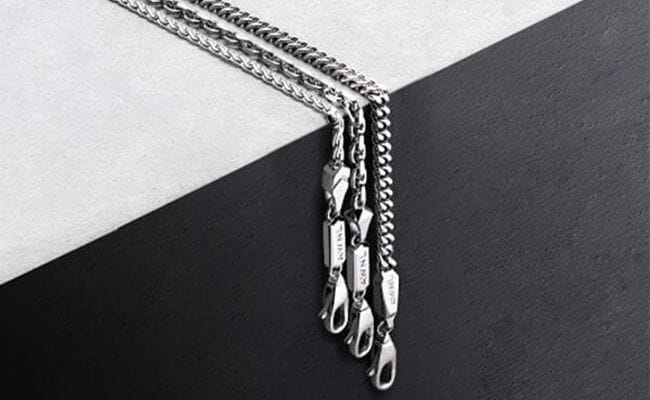
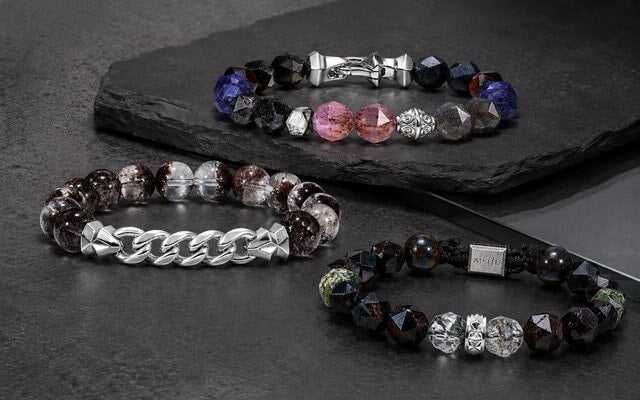
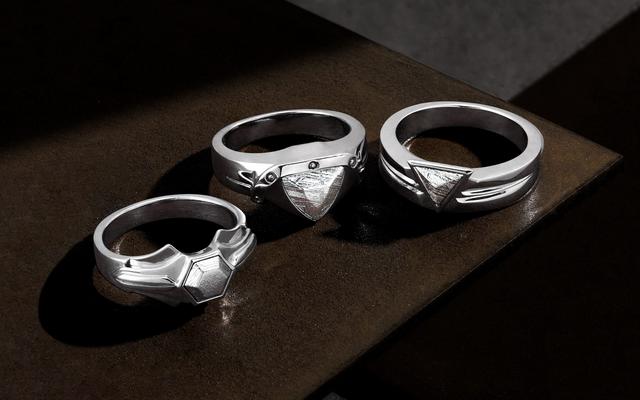
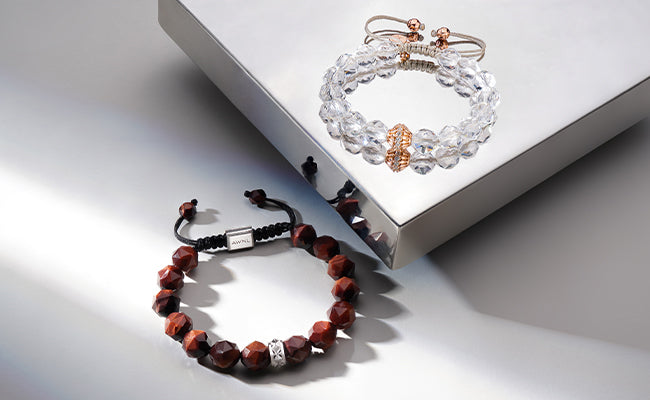
Deeply influenced by Viking and Norse culture and the spiritualism behind Viking stories, AWNL aims to share modern talisman jewelry with the world. From our necklaces to our bracelets, AWNL's designs embody the legendary spirit of Viking adventure and exploration. By combining Swedish inspiration, runic alphabets, and Balinese silver craftsmanship, we present a unique design style for your jewelry. Masculine, rugged, and edgy pieces recall the Viking age of yesteryear.
Explore the Viking Collection