



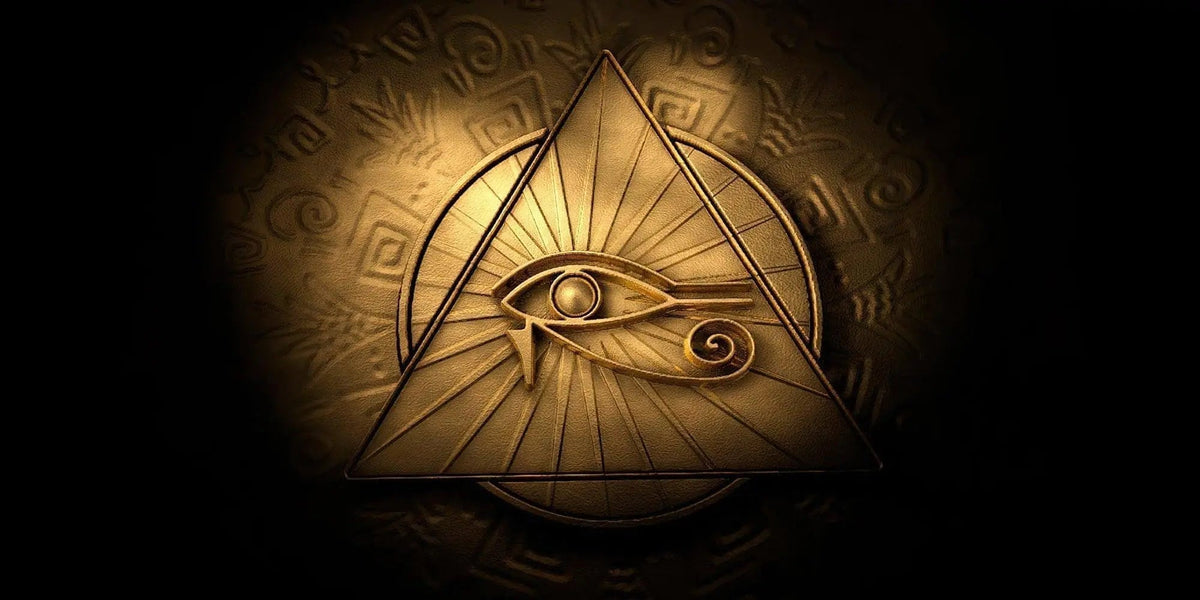
The Eye of Horus Complete Guide: Meanings, Taboos, and Modern Applications of the Left and Right Eyes
Have you ever seen this eye symbol in a jewelry store or noticed an eye pendant worn by a character in a movie? This is the "Eye of Horus," a common amulet motif from ancient Egypt that symbolizes protection, healing, and rebirth. The curve beneath the eye makes it easily recognizable, and the mythology behind it has made it a recurring theme in jewelry design to this day.

Is the Eye of Horus actually the left or the right eye? How does it differ from the Eye of Ra? The following sections will introduce its story, meaning, six-part interpretation, and the taboos often asked about when wearing it or getting it tattooed.
IN THIS POST
- • What is the Eye of Horus? Appearance and Story
- • What is the Meaning of the Eye of Horus?
- • Left Eye or Right Eye?
- • The Six Parts of the Eye of Horus and Their Symbolic Meaning
- • Usage and Taboos of the Eye of Horus
- • Mathematical and Scientific Interpretations of the Eye of Horus
- • Eye Amulets in Other Cultures
- • Recommended Eye of Horus Accessory Collections
Getting to Know the Eye of Horus: A Sacred Symbol of Ancient Egypt
Appearance Features of the Eye of Horus
The Eye of Horus, also known as the Wedjat Eye, combines the features of a human eye and a falcon's eye. The eyebrow, socket, vertical line below the eye, and the curled tail line constitute this easily recognizable ancient Egyptian symbol. Chinese introductions sometimes use terms like "Eye of True Knowledge" or "Eye of Truth," but it is clearer to verify sources using names like Horus or Wedjat.
The pattern is also often linked online to the "third eye" or human brain structures. These are modern comparisons and interpretations; one should not conclude that the ancient Egyptians designed the Eye of Horus based on the pineal gland simply because of a similarity in shape.

(Eye of Horus carved into a wall)
Common diagrams break the Eye of Horus into six parts, assigned to fractions and sensory symbolism. This interpretation is quite interesting, but its relationship to actual ancient usage remains disputed, which will be explained separately below. Ancient Egyptians crafted this pattern into amulets, entrusting them with prayers for peace and restoration.
Origins and Mythological Story of the Eye of Horus
The story of the Eye of Horus is associated with Horus, the sky god in Egyptian mythology. He is often depicted as a falcon or a human with a falcon's head, and is also connected to pharaohs and kingship. In the Osiris myth, Horus is the son of Osiris and Isis.
.svg)
In common versions of the myth, Osiris was murdered by his brother Seth, and Horus sought to avenge his father and claim the throne. He lost his eye in the conflict with Seth, which was later restored by Thoth. Horus then offered his restored eye to his father, linking this eye to the restoration of life. Details of the story vary across different eras.
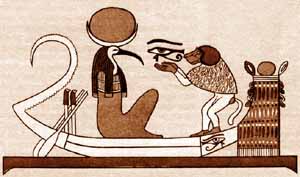
The boat of Thoth, god of wisdom
This story of losing and restoring the eye serves as the backdrop for the Eye of Horus symbolizing healing, rebirth, and protection. Understanding this makes it clear why it was fashioned into amulets and worn on the body.
.png)
Meaning of the Eye of Horus
Protection and restoration are the core meanings of the Eye of Horus. Mythology, kingship, and modern wearing culture also bring different levels of interpretation:
Protection and Warding Off Evil
Protection is the most widely known meaning of the Eye of Horus. Ancient Egyptians made it into amulets in hopes of avoiding harm and misfortune. Choosing this pattern today can also represent a personal intention of seeking safety for oneself or someone important.
Healing and Rebirth
The myth of the eye being restored after injury makes the Eye of Horus a symbol of healing, recovery, and rebirth. When used in modern jewelry, it is also suitable for expressing the blessing of overcoming difficulties and starting anew.
Wisdom and Insight
Eyes are easily associated with observation and insight. Modern wearers often use the Eye of Horus to remind themselves to see things clearly and maintain judgment; this personal meaning should be distinguished from the specific meanings in ancient Egyptian mythology.
Kingship and Divine Power
As the symbol of the god Horus, this eye also represents the power and divinity of the pharaoh. In ancient Egypt, the pharaoh was seen as the incarnation of Horus, so the Eye of Horus also symbolizes divine rule.
Vengeance and Justice
The story of Horus fighting Seth for the throne reminds one of the restoration of justice and order. This is one angle for understanding the myth, although the amulet itself is more commonly seen as a symbol of protection and restoration.
Vitality and Wholeness
Horus offered his eye to his father, enabling Osiris to be reborn, so the eye also represents vitality and wholeness.
The Eye of Ra: Its Relationship to the Eye of Horus
The sun god Ra also has a myth involving the "Eye of Ra." It is often associated with the sun and divine power; whereas the Eye of Horus is famous for the story of restoration after injury. The roles of both in Egyptian religion overlap; they cannot simply be understood as two names for the same symbol.
Eye amulets did not belong only to pharaohs. Ancient Egyptians made amulets from various materials for daily wear and funeral rites, entrusting them with hopes for protection and regeneration.

(The ancient Egyptian god Horus)
Left Eye or Right Eye? Differences Between the Two Eyes of Horus
Key Differences Between Horus's Left and Right Eyes
The Eye of Horus is usually associated with the left eye and the moon; the Eye of Ra is often associated with the right eye and the sun. This is a common way of identifying them, but ancient images and myths do not follow a single, strict mapping. You can keep the following differences in mind:
- Right Eye: Often associated with the sun and the Eye of Ra, carrying connotations of light, power, and protection. This solar eye interpretation is quite common in modern pattern introductions.
.png)
Example of the Eye of Ra pattern (names based on image source)
- Left Eye: Often associated with the moon and the Wedjat Eye (Eye of Horus). The story of the eye being injured and then restored also gives it the meaning of restoring wholeness and rebirth.

Example of the Eye of Horus pattern
Therefore, when answering "Is the Eye of Horus the left or right eye," one can say general introductions usually refer to the left eye, but one cannot determine the nature of all ancient artifacts based solely on the orientation of the pattern.
When identifying left and right, one should first confirm whether it refers to the left/right of the eye itself or the viewer's perspective; if the pattern is mirrored, it can also cause confusion. Ancient amulets can be seen in different orientations, and modern designs may also be adjusted for composition; looking at the direction alone cannot determine authenticity or meaning.
Different Symbolic Meanings of the Left and Right Eyes
The following retains common interpretations of the solar eye and lunar eye. Categorizations like reason, intuition, or yin-yang energy also include extensions from modern spiritual culture:
Meaning of the Right Eye (Solar Eye):
- Represents solar power and light
- In modern symbolic interpretation, often linked to reason and clear vision
- Carries connotations of warding off threats and guarding order
- Linked to daytime and heat; modern interpretations sometimes call this masculine energy
Meaning of the Left Eye (Lunar Eye):
- Represents the phases and changes of the moon
- Carries connotations of restoration and rebirth; modern interpretations often link this to intuition
- Entrusted with blessings for health and peace
- Linked to nighttime; modern interpretations sometimes call this feminine energy
- Echoes the myth of Horus offering his eye to Osiris to restore his life
When selecting an Eye of Horus amulet, you can use these differences as clues for understanding the pattern and choose the meaning you like best:
- Those who prefer images of the sun, light, and power can look for solar eye designs.
- Those who like the moon and stories of recovery and rebirth can look for lunar eye designs.
The symbolism of the left and right eyes does not equal wearing restrictions, nor does it mean one provides stronger protection than the other. Pattern proportions, material, and comfort are also worth considering.
The Six Parts of the Eye of Horus and Their Symbolic Meaning
The six-part diagram of the Eye of Horus is one of the most curiosity-inducing topics regarding this symbol. Common claims break the pattern into six parts, assigning each a fraction and sensory meaning. The following introduces this popular diagram, but it does not mean that the correspondence between six senses and fractions has been confirmed as the original design of ancient Egypt.
.svg) Common fractional diagram of the six parts of the Eye of Horus (its historical correspondence is disputed)
Common fractional diagram of the six parts of the Eye of Horus (its historical correspondence is disputed)Kompak, Benoît Stella, Ignacio Icke, CC BY-SA 3.0
The common six-part diagram is as follows; the direction is based on the diagram on this page; mirrored versions will have left and right reversed:
- The part of the eye on the right side of the image: Labeled 1/2, corresponds to the sense of smell in common sensory interpretations.
- The pupil: Labeled 1/4, often corresponded to sight, extending into meanings of observation and insight.
- The eyebrow: Labeled 1/8, often corresponded to thought, extending into meanings of judgment and understanding.
- The part of the eye on the left side of the image: Labeled 1/16, corresponds to the sense of hearing in common sensory interpretations.
- The curved tail line below: Labeled 1/32, corresponds to the sense of taste in common sensory interpretations.
- The vertical downward line: Labeled 1/64, corresponds to the sense of touch in common sensory interpretations.
The sum of these six fractions equals 63/64, which is 1/64 away from 1. Popular introductions often link the missing part to the magic used by Thoth to restore the eye, but this value should not be written directly as the ratio of the eye's restoration in the myth.
Ancient Egyptians did use fractions to handle measurement issues; as to whether specific fractional symbols originated from the various parts of the eye, scholars have different views. Therefore, when reading the diagram, one should distinguish between mathematical operations and historical origins.
If appreciated as a modern symbol, the six-part diagram provides a way to observe this symbol. Its meaning of protection and restoration in ancient Egyptian belief does not need to rely on sensory fractions to be valid.
Usage and Taboos of the Eye of Horus
How Ancient Egyptians Used the Eye of Horus
The Eye of Horus can be seen on artifacts like amulets and sarcophagi, with use cases including both wearing during life and funerary rites.
Ancient Egyptians believed that the pattern, material, and color of an amulet were all related to its effect. The eye pattern could be made into small pendants or used in jewelry design; common amulet materials included Egyptian faience, stone, and metal.
Small eye amulets could be worn on a cord or placed inside mummy wrappings. Their size, material, and craftsmanship varied, reflecting different production and usage contexts.
Pairs of eyes also appeared on some sarcophagi, connected to the concept of the deceased viewing the outside world and being protected. Such artifacts help us understand the position of the eye symbol in ancient Egyptian life and burial.

(Illustration of Eye of Horus gold jewelry)
The Eye of Horus in funeral rites continued the themes of recovery and rebirth. Ancient Egyptians hoped the power of the amulet would accompany the deceased, so eye patterns also appeared in burial goods.
Modern Usage of the Eye of Horus
Today, the Eye of Horus still appears in necklace, bracelet, ring, and tattoo designs. Some people value its protective meaning, others love ancient Egyptian culture, and some simply admire the lines of the pattern.
As a modern accessory, it can be used according to personal belief and habits. The following are common questions about wearing, placement, and taboos:
How to wear it:
- As a necklace, you can choose the position according to the neckline and chain length; wearing it close to the chest can have personal meaning without the need to set a fixed "active position."
- Bracelets or rings can be chosen for either hand according to your dominant hand, watch position, and comfort; there is no left-hand rule that all wearers must follow.
- When choosing between the left or right eye, you can refer to the symbolic interpretation mentioned earlier and also pay attention to the brand's description of the pattern.

Home placement:
- Doorway or windowsill: Can serve as a symbol of peace and protection; choose a location where it will not easily fall.
- Bedside: If you like the meaning of this pattern, it can serve as a personal ornament; avoid placing it in a location where it is easily pressed.
- Work area: It can be viewed as a small item that reminds you to observe and focus.
Purification and Charging:
- Purification and charging are personal rituals and need not be viewed as necessary steps for newly purchased accessories.
- If you are accustomed to using moonlight, you can choose a dry, safe location; avoid dampness from outdoor dew for jewelry with silver parts, plating, or natural stones.
- You can also set a simple intention for the amulet, such as safe travels or completing a plan. Daily cleaning is handled according to the actual material.
Modern scenario applications:
- Wear it while traveling to entrust it with blessings for a safe journey.
- When facing a new job or important challenge, use the pattern to remind yourself to maintain observation and judgment.
- Give it to someone experiencing change to express your support and blessings for a fresh start.
Eye of Horus taboos:
- Touching by others: Whether to let others touch it is up to your personal habits. There is no necessary rule that says it will lose its protective power if touched once.
- Damage or cracking: Some people interpret this as "blocking a disaster," but jewelry can also be damaged due to impact, pulling, or wear and tear. Stop wearing it and check how to repair it; there is no need to conclude that misfortune will occur.
- Matching with other accessories: You can choose according to your belief and preference. When actually wearing them, paying attention to materials rubbing against or scratching each other is more useful than a universal checklist for "clashing energy."
Are there taboos for an Eye of Horus tattoo? One should not treat internet claims like "you can't tattoo it on a certain body part" or "choosing the wrong eye will bring bad luck" as standard ancient Egyptian norms. If you plan to get a tattoo, first confirm the source, orientation, and meaning you want to express, then discuss the position and lines with the tattoo artist; if you have religious beliefs, you can also confirm whether it matches your own beliefs.
Scientific and Mathematical Interpretation of the Eye of Horus
The Eye of Horus often appears in discussions of fractions, moon phases, and human anatomy. These topics are interesting, but the degree of evidence varies; they can be understood separately:
Mathematical meaning: 1/2, 1/4, 1/8, 1/16, 1/32, and 1/64 form a sequence of successive halving, with a sum of 63/64. The operation itself is valid, but one cannot prove that the eye pattern is the source of ancient measurement symbols based solely on this result.
Fractions related to grain volume measurement are often called "Eye of Horus fractions." Scientific history research has questioned the correspondence between these symbols and eye patterns, so the whole eye should not be directly called an ancient Egyptian measuring tool.
Astronomical meaning: The phases of the moon and the story of the eye being damaged and restored can form a symbolic connection. This is different from treating the six fractions one by one as moon phase measurements, nor can the missing 1/64 be used to explain whether the moon is full.
Medicine and human interpretation: Modern articles have compared the Eye of Horus with the shape of brain structures. Such visual comparisons can be used as discussion topics, but cannot prove that the pattern originated from the pineal gland, or that ancient Egyptians already possessed corresponding neuroanatomical knowledge.
Geometry and design: The proportions of the eye socket, eyebrow, and tail make the Eye of Horus suitable for engraving, painting, and jewelry design. When appreciating its composition, one need not infer that it is the source of pyramid engineering formulas.
The Eye of Horus and World Eye Symbols
Eye-shaped amulets can be seen all over the world, but a similar appearance does not mean the same origin. The following patterns are often discussed alongside the Eye of Horus:
The Turkish "Nazar"
The blue eye amulet "Nazar," common in Turkey and the Mediterranean, is usually composed of concentric circles and has the meaning of warding off malicious gazes. Both it and the Eye of Horus have protective connotations, but their appearances and cultural backgrounds are different.
 NAZAR Eye
The "Third Eye" in Hinduism
In Hinduism, the third eye on Shiva's forehead represents a spiritual vision that transcends the material world. This concept is similar to the Eye of Horus as a symbol of wisdom and insight, but there are large differences in form and backstory.

The Greek "Evil Eye"
The "Evil Eye" originally referred to a gaze of jealousy or malice, believed to cause misfortune. Eye accessories used to ward off the evil eye are also commonly referred to as evil eye amulets; one should understand the belief of this gaze and the protective object separately.
Nazar is one common eye amulet design; Evil Eye can refer to a broader belief in the evil eye and related accessories. A similar appearance is not enough to prove that they all directly originate from the Eye of Horus.
The Christian "Eye of God" (Eye of Providence)
The "Eye of God" in Christian art, also known as the Eye of Providence, is often presented as an eye within a triangle, symbolizing God's care and omniscience. It has a different religious background than the Eye of Horus.

The "All-Seeing Eye" in Modern Pop Culture
The "All-Seeing Eye" or "Eye of Omnipotence" often referred to today may mean different patterns. For example, the pyramid and eye on the US dollar bill belong to the Eye of Providence design of the Great Seal of the United States; they should not be directly labeled as the Eye of Horus. When identifying, first see if there is a triangle, a pyramid, and the lines under a falcon's eye.

The pyramid and eye printed on the US dollar bill
Contrast with the Eye of Anubis
Anubis is associated with the dead, mummification, and funeral rites, usually appearing in the image of a jackal or a human with a jackal's head. When encountering the name "Eye of Anubis," check the designer's explanation; it should not be directly viewed as another ancient name for the Eye of Horus.
When choosing eye symbol accessories, you can confirm their name and cultural source, then decide on the style and meaning you like. The most vivid story of the Eye of Horus remains the recovery of the injured eye and the protection and rebirth extended from it.
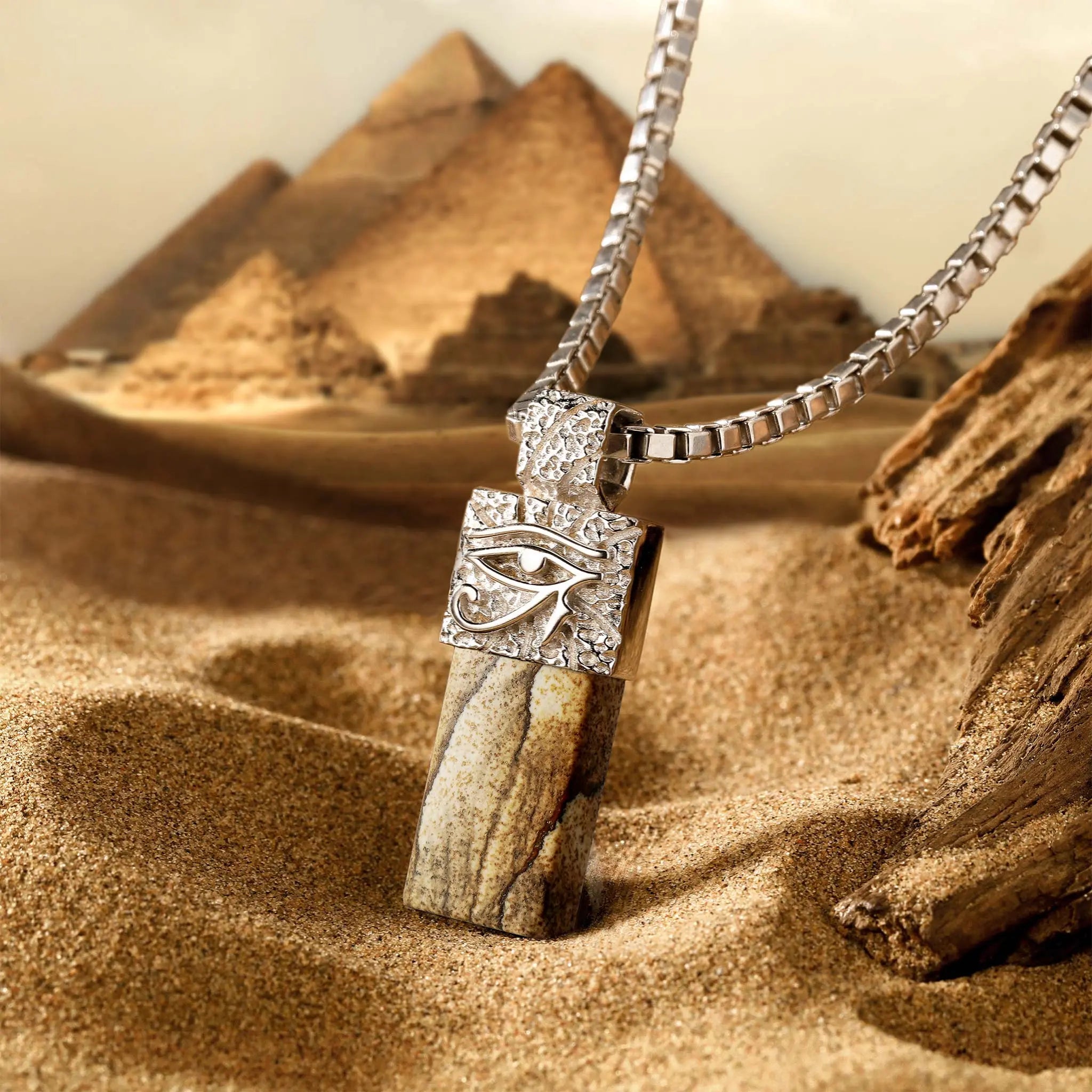
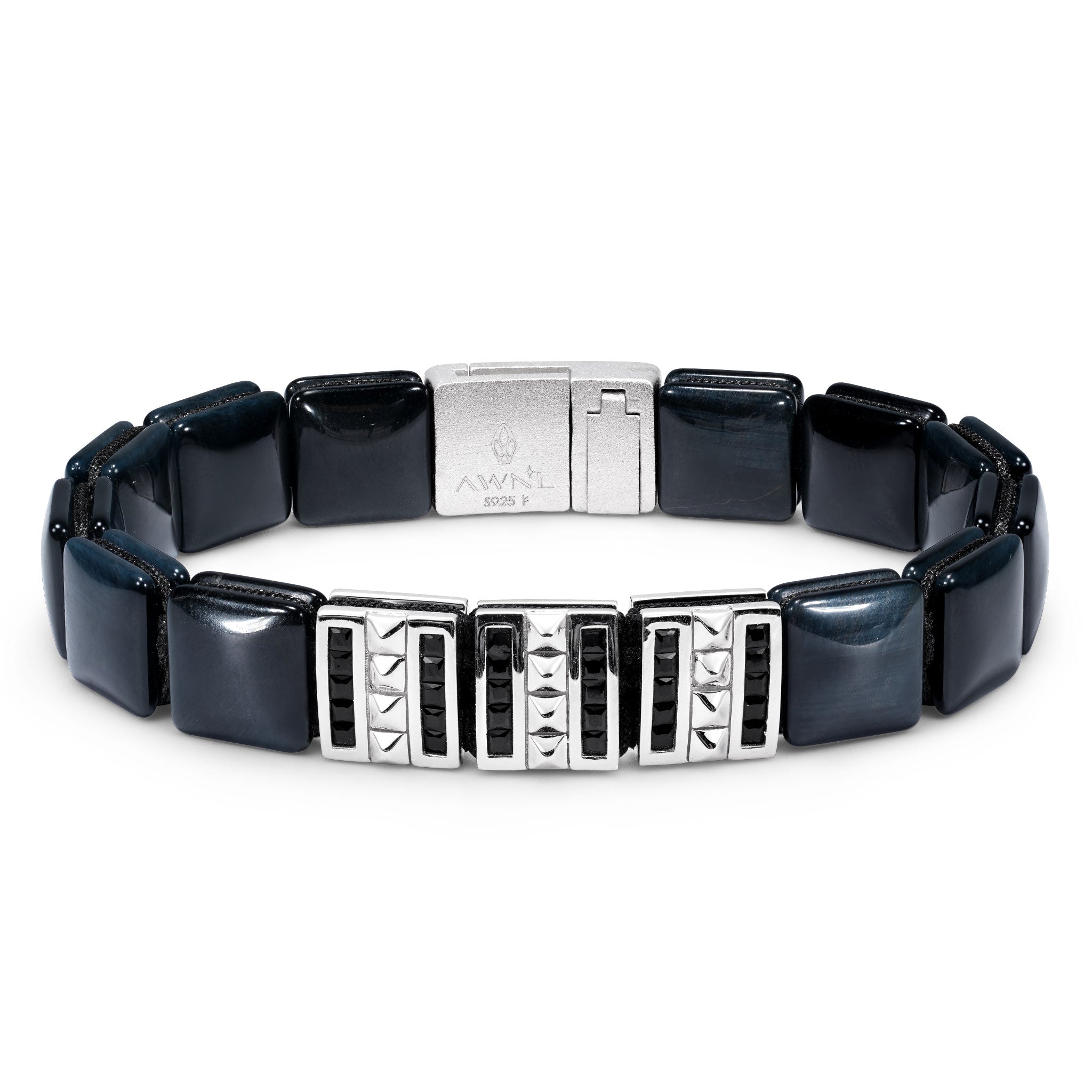
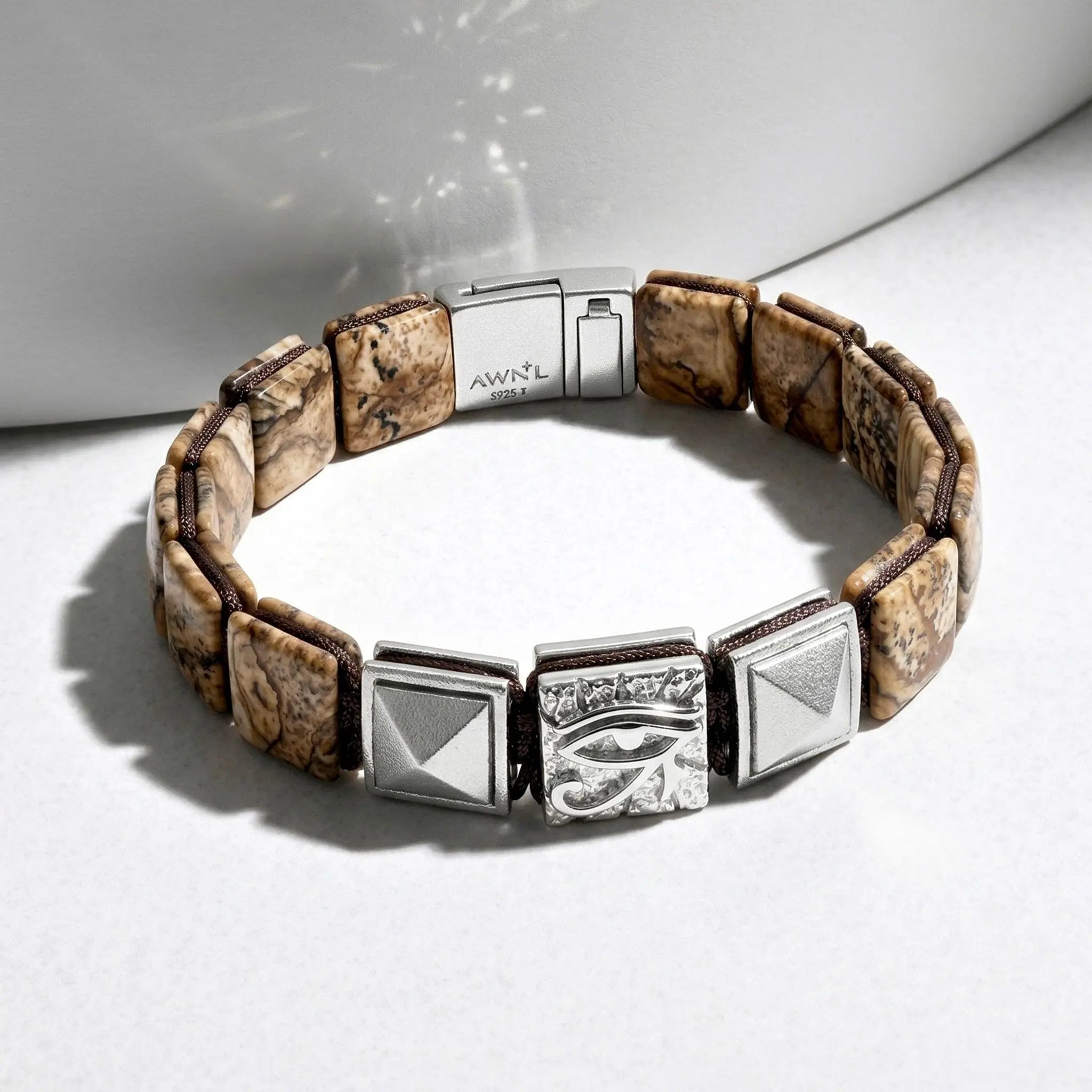
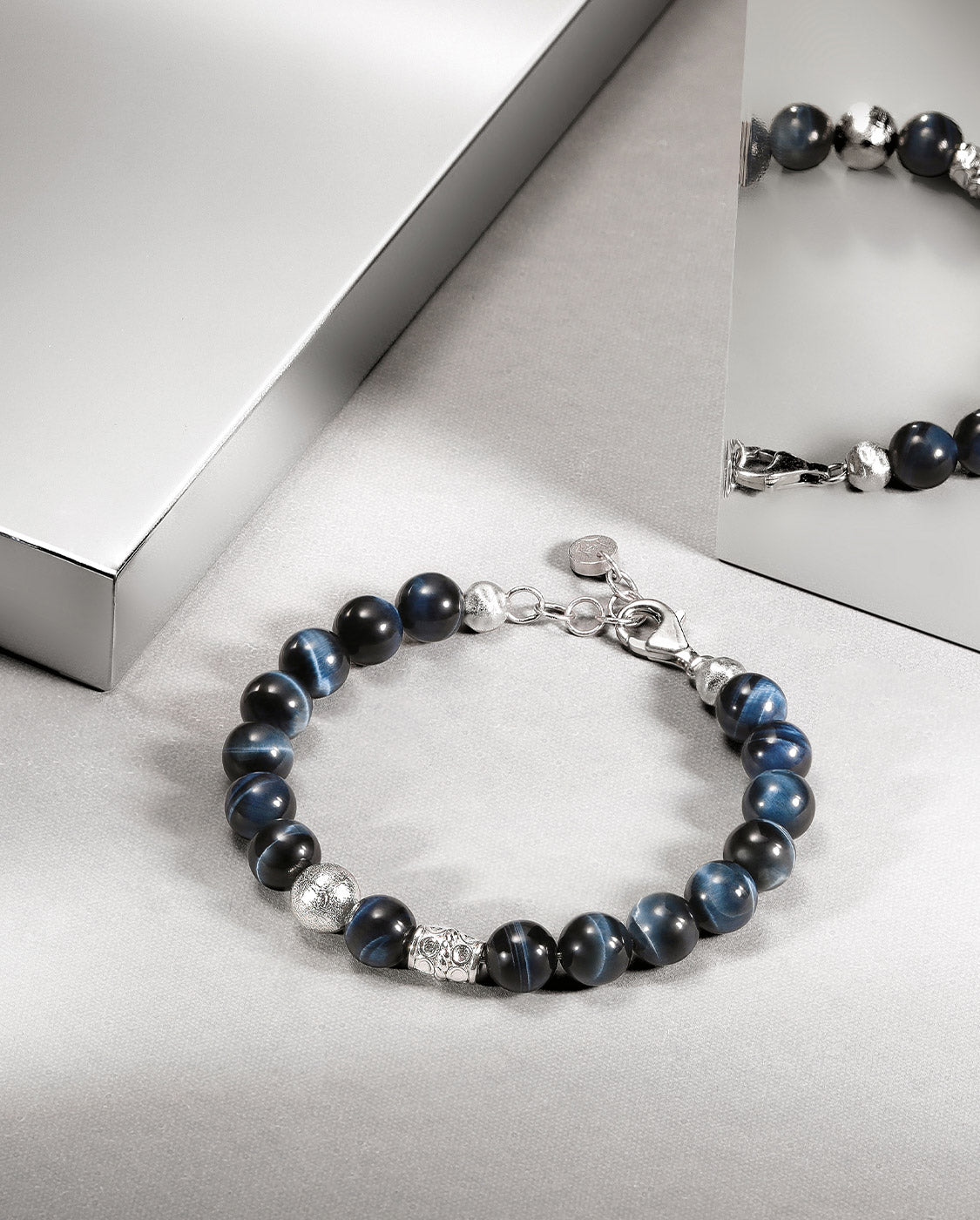
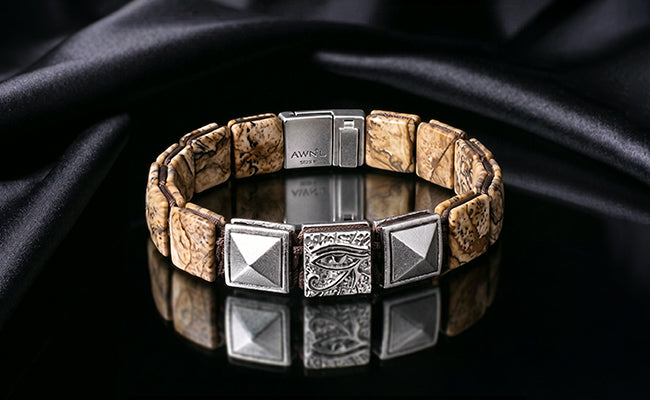
AWNL Eye of Horus Accessories

(Original AWNL Eye of Horus design jewelry)
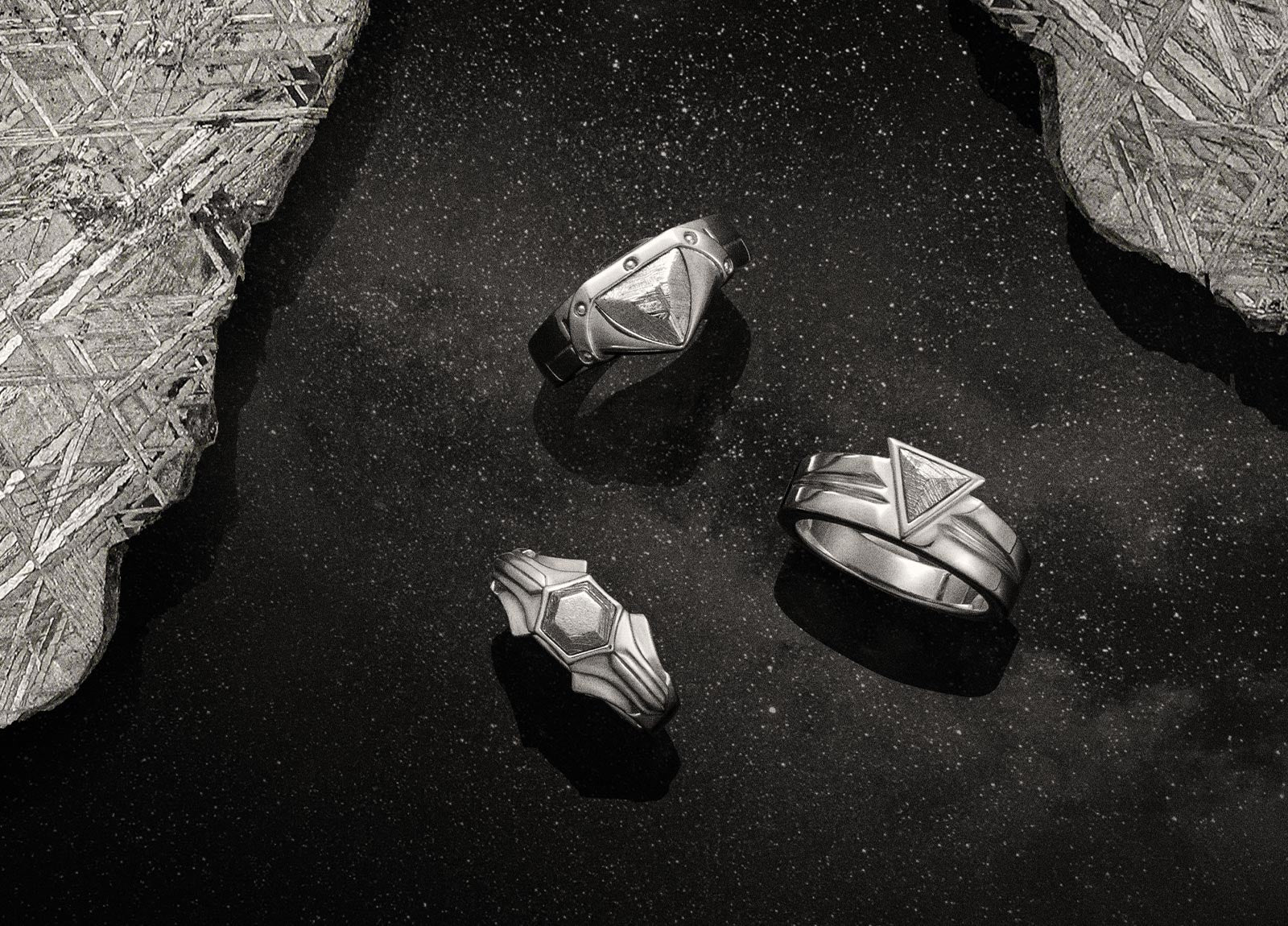
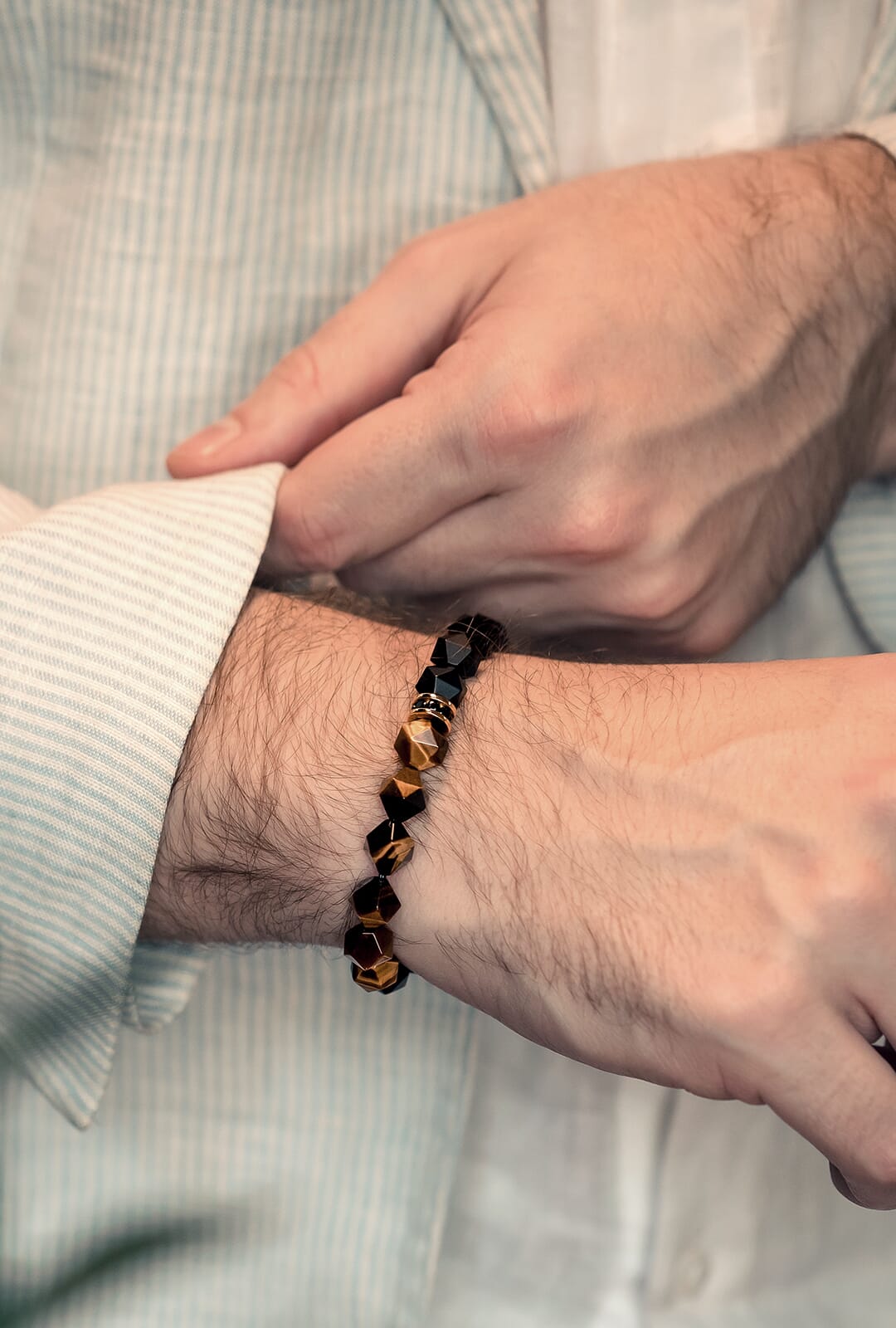
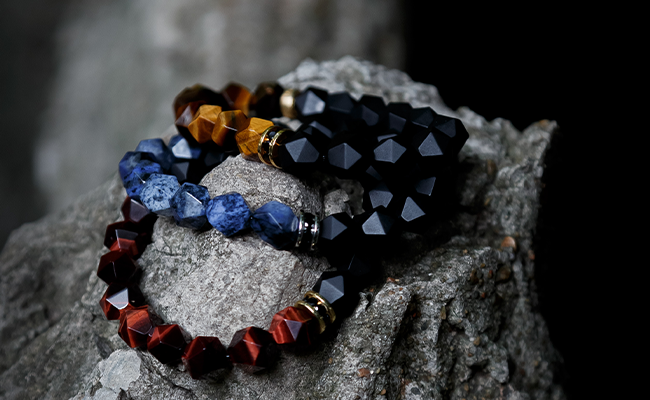
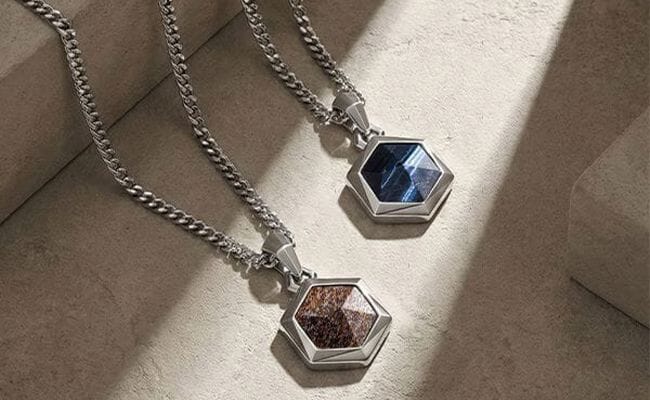
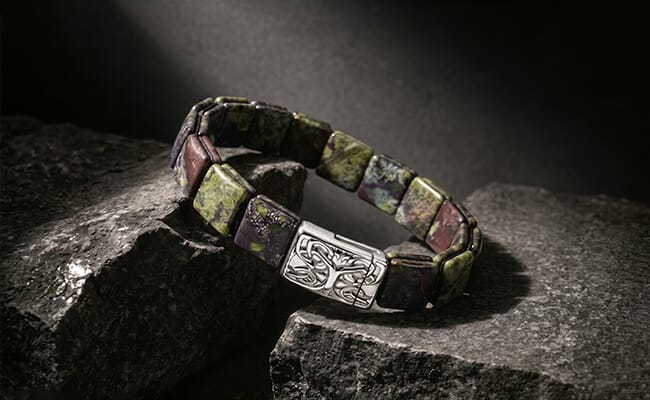
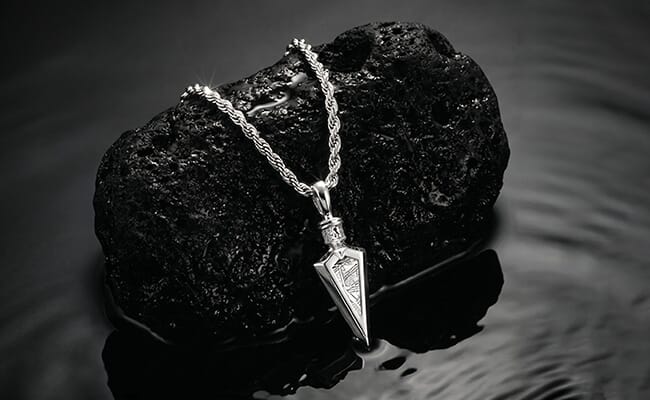
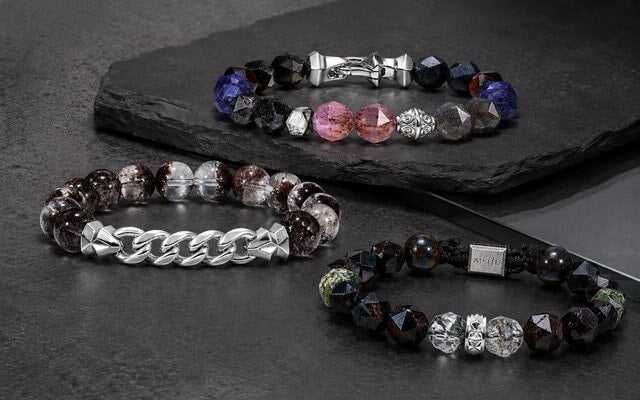
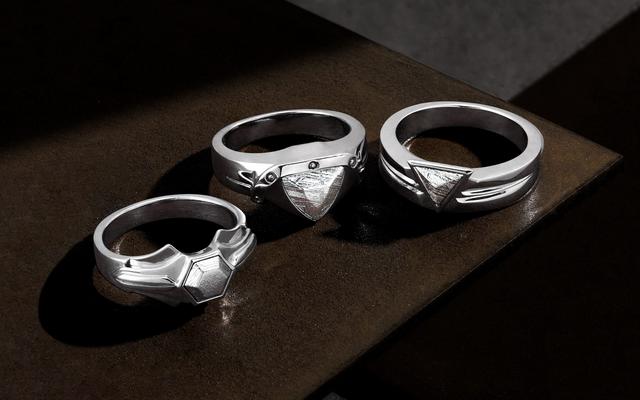
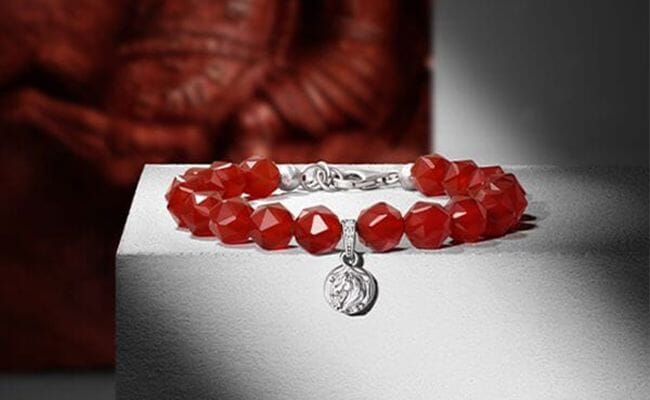
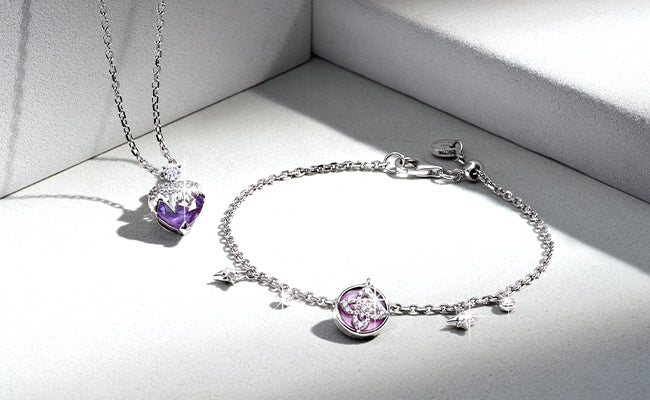
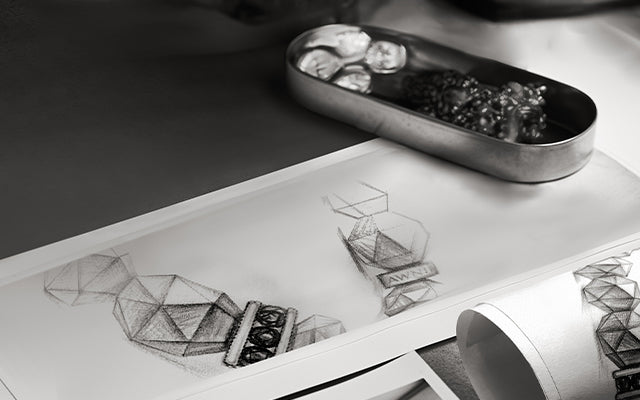
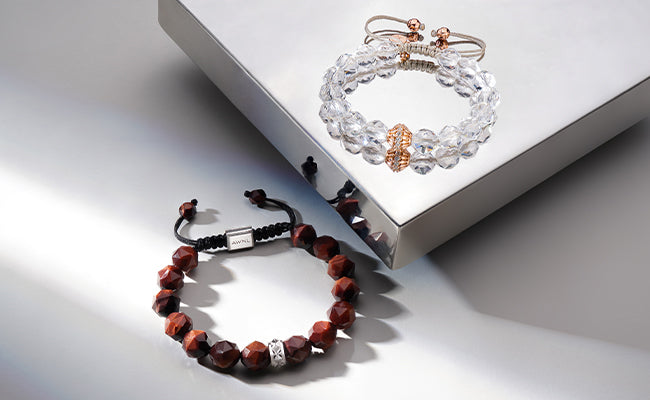
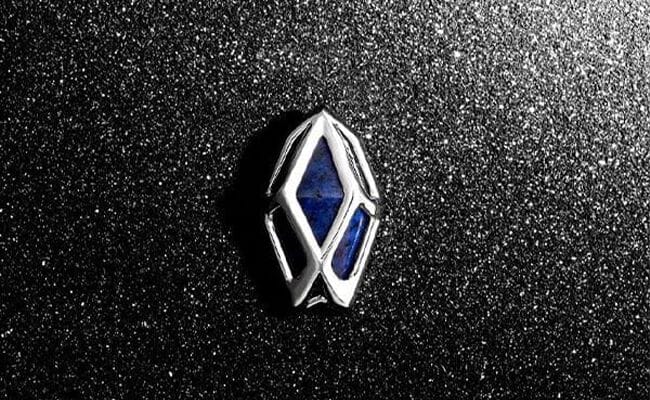
AWNL uses the protective meaning of the Eye of Horus as a design theme, incorporating eye lines into natural stone and metal accessories. The Peak of the Pyramid Collection offers styles including bracelets and necklaces, which can be selected based on the material, pattern proportion, and how you like to wear them. When worn by yourself, it can be an accessory with personal meaning; when given as a gift, it can express blessings of peace and starting over.
References:
Isabel Stünkel, Ancient Egyptian Amulets, The Metropolitan Museum of Art, 2019.
The Metropolitan Museum of Art, Wedjat Eye Amulet collection data.
Eye of Horus: Overview and bibliography regarding left/right eyes, images, and fractional disputes.