

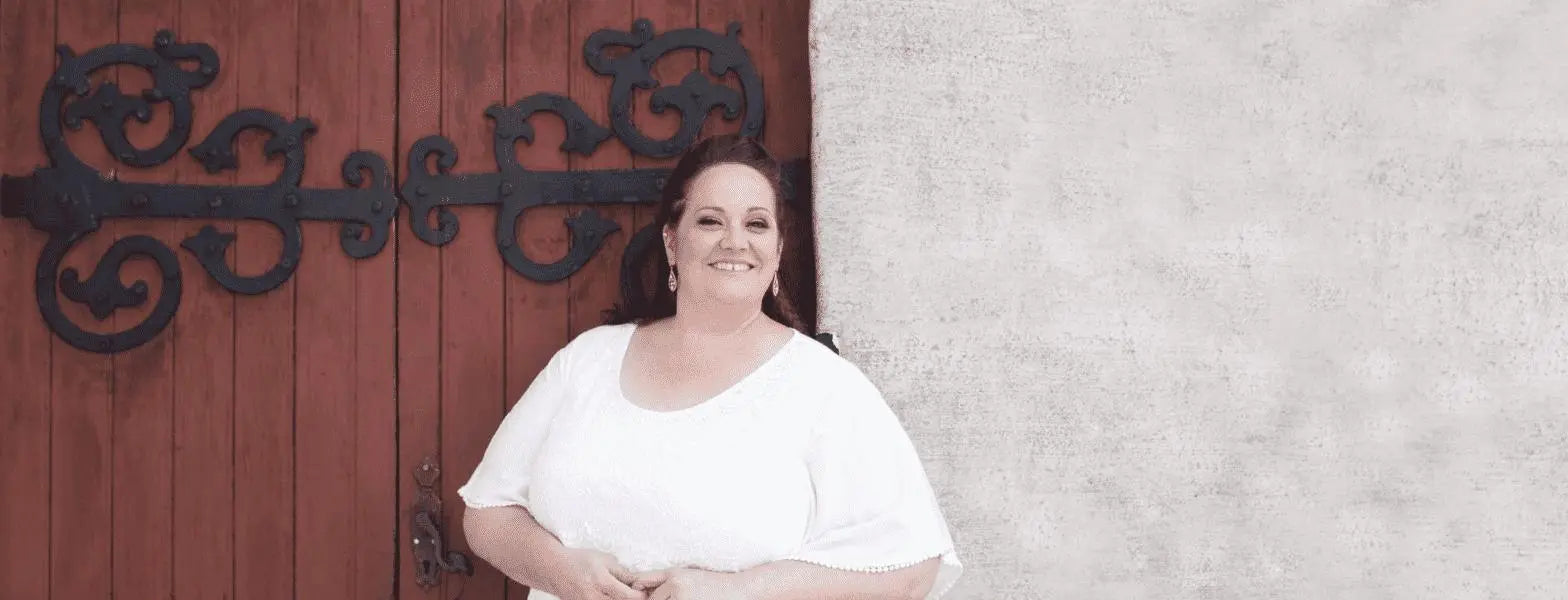
Caroline Guntur: My Perspectives on Nordic Design
Caroline Guntur is a professionally certified photo manager and storyteller, as well as a Swedish genealogist and family historian. Caroline possesses a wealth of knowledge regarding Scandinavian culture, traditions, and design, and is committed to helping more people gain a comprehensive understanding of the Nordic lifestyle.
We are honored to have Caroline Guntur join us to share her insights on Swedish amulet jewelry from the perspective of Nordic design.
Q: Could you share what you find most unique and outstanding about Scandinavian culture and traditions?
A: One thing I love most about Sweden can be summed up in one word: "simplicity". This concept is ingrained in our national DNA. We focus on efficiency and avoid unnecessary innovation. It might sound a bit boring, but everyone follows these conventions well because there are deep-seated reasons for them, and they apply to every aspect of life. Our festive feasts are a great testament to this; it is always the classic herring, potatoes, and eggs. From Midsummer to Christmas, no matter the holiday, Scandinavians eat this, and we still enjoy it to this day. It is tradition, and no important holiday gathering is complete without it. If you visit someone at Easter, you know exactly what’s for dinner and how to dress. A great benefit of this is that it gives you more time to care about things that really matter. Perhaps the word "tradition" sums it all up. Scandinavians are reliable, unified, and sincere; we hold our traditions dear.
Q: Could you share some classic stories behind Nordic amulet jewelry design?
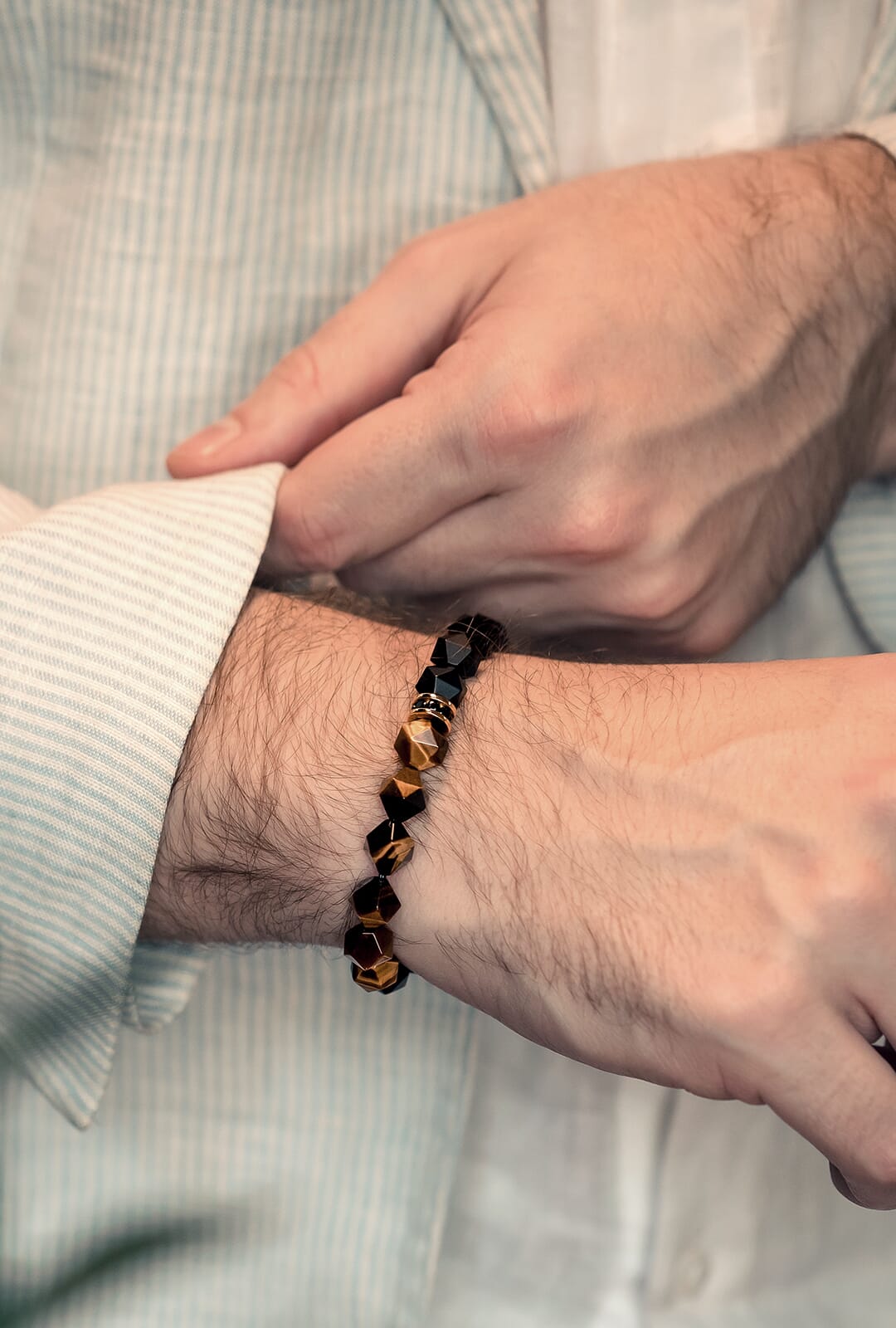
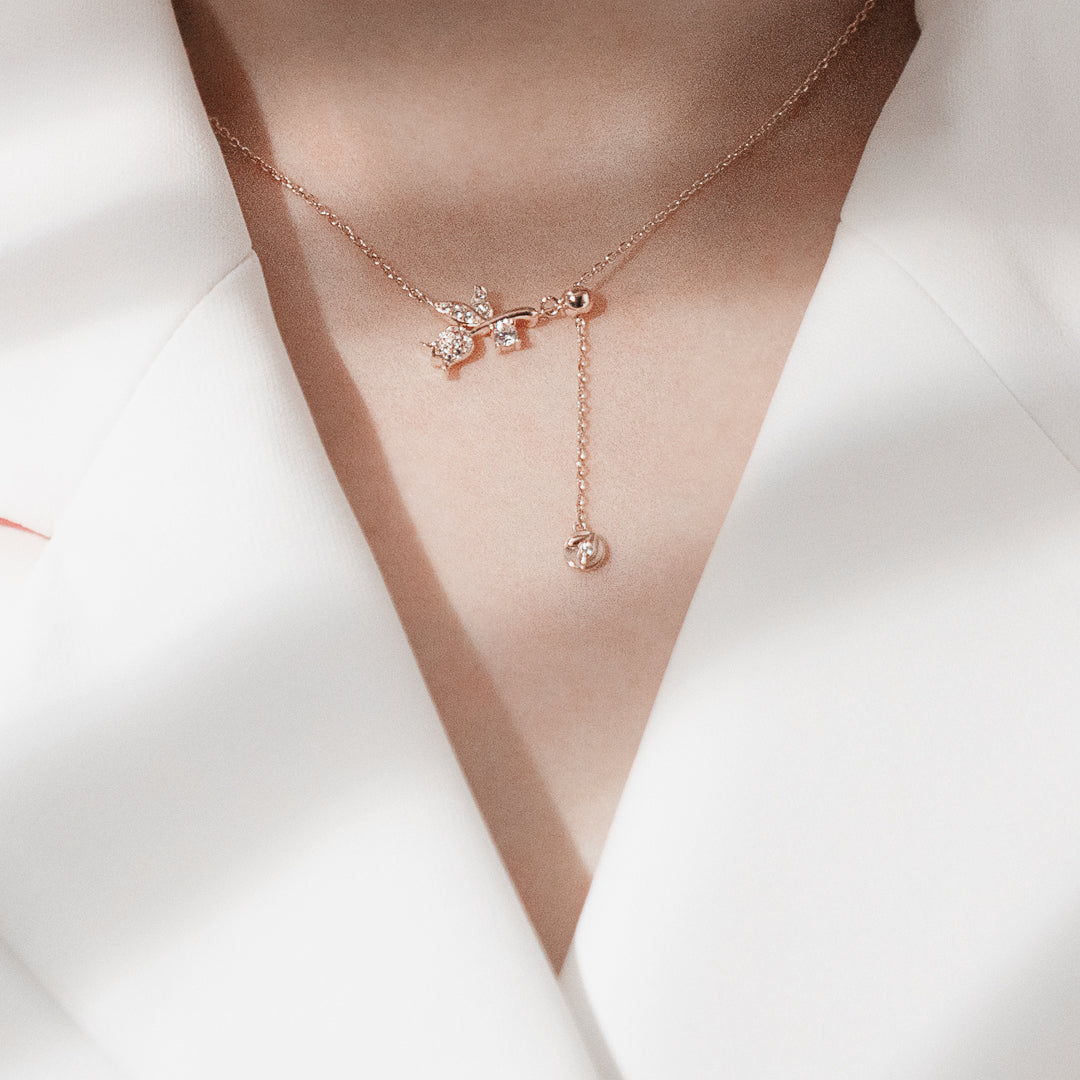
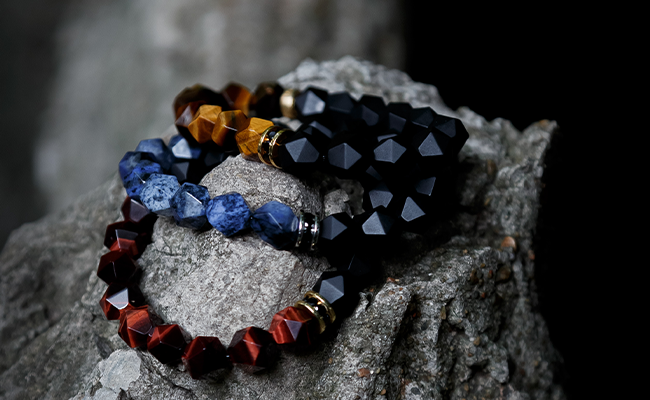
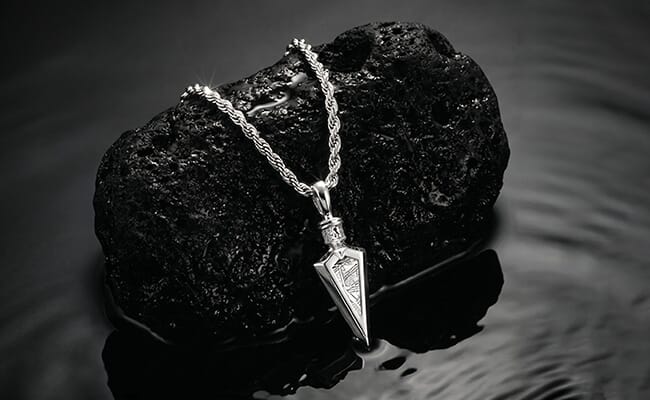
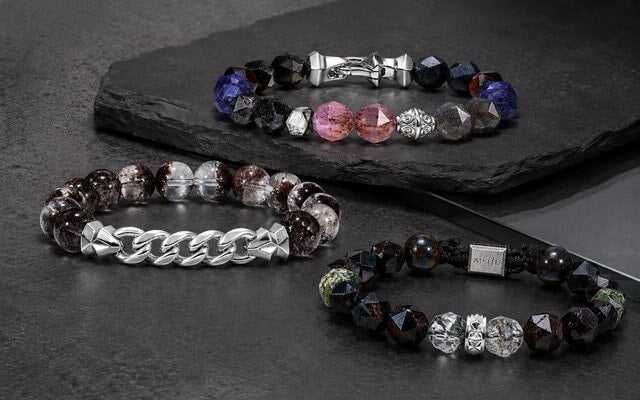
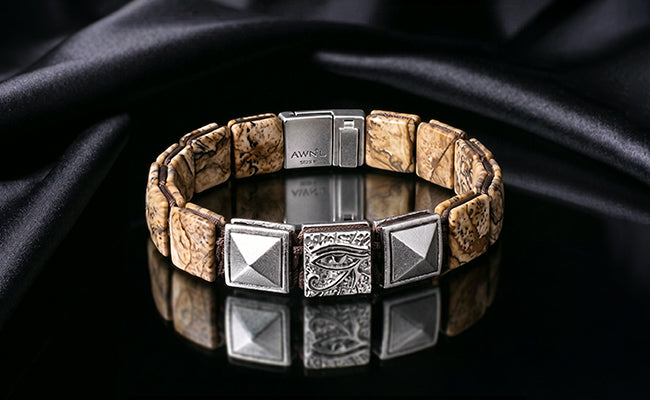
A: Following the principle of simplicity, Scandinavian jewelry also pursues minimalism. This stems from our collective cultural attitude toward durability and utility. There is no need for a wide variety; high quality is the top priority. Swedish jewelry design is usually stylish yet simple, without complex elements, which is exactly the charm of Swedish jewelry. Thoughtfulness is the second characteristic of Swedish gift-giving. We don't give gifts often, but the ones we do give are carefully considered and meaningful, meant to be used extensively in daily life. When it comes to amulets, Viking brooches, Thor’s hammers, antlers, trefoils, and Celtic coins are all classic elements.
Q: What is true Nordic design?
A: The pursuit of clean, simple, exquisite, high-quality, and practical aesthetics. To me, Nordic design means versatility—it adapts to various styles, suits all kinds of occasions, and is easy to pair.
Q: How do you define Nordic fashion?
A: Less is more. In clothing, we pursue natural beauty and simple cuts without excessive embellishment. Of course, not all our clothing is like this, but this is the essence as I see it as a Swede.
Q: IKEA and Volvo are both Swedish brands. In your opinion, what do they have in common in terms of Nordic design?
A: The answer to this can be found in my previous response: versatility. This is the point that runs through everything. Swedes don't like to buy too many things; we hope that what we buy can serve multiple purposes. For example, a bookshelf bought at IKEA fits well whether it's in a child's room, the living room, the hallway, or the dining room. This explains why Nordic design is usually very practical. People enjoy this utility, as well as the flexibility and freedom it brings. The same applies to clothing and jewelry. When buying a necklace, I want it to be suitable for weddings, birthday parties, or funerals. Finding that balance is exactly where Nordic designers excel, and it is why Nordic design is so popular.
Q: It is said that many meteorite fragments have been found in Scandinavia. Could you share some stories about this?
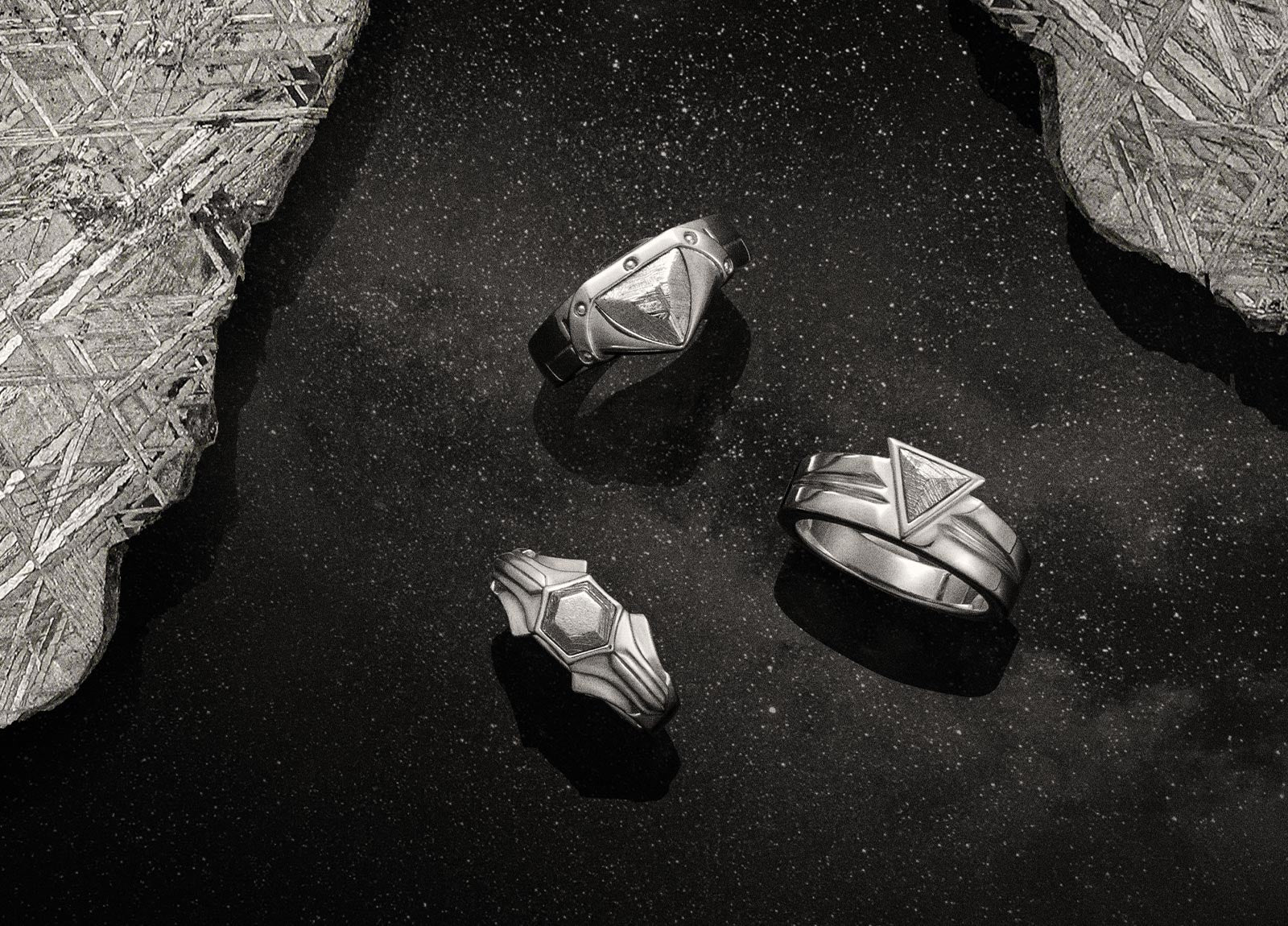
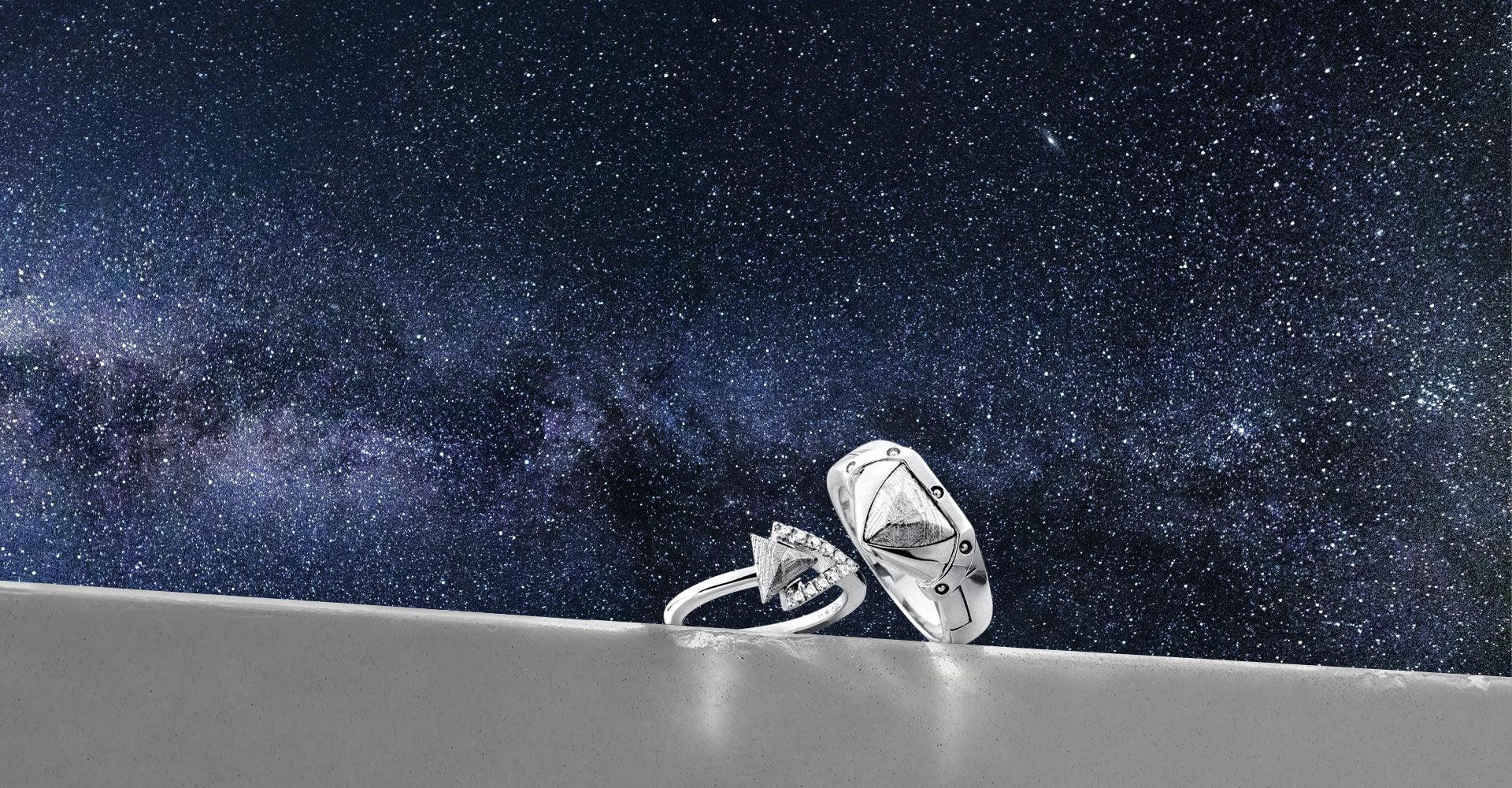
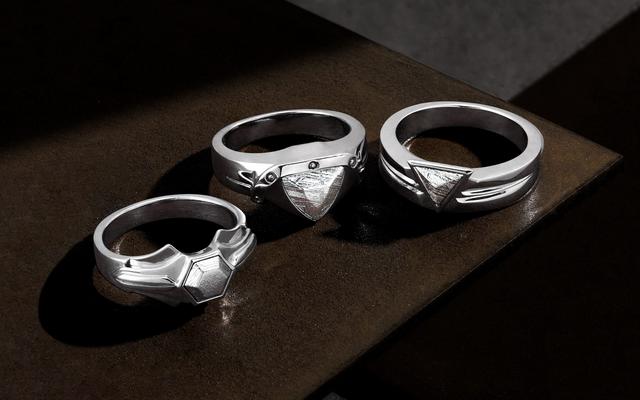
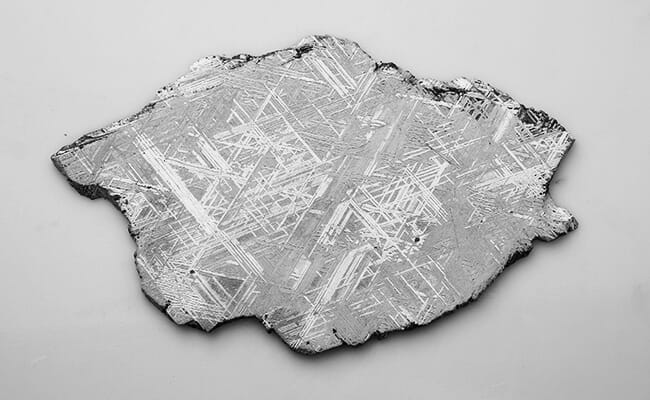
A: Although I have never witnessed a meteorite fall myself, these are indeed real events. The most recent one occurred in Uppsala in November 2020, which was reported in the news. Generally speaking, the Scandinavian Peninsula is a holy land for finding various treasures, especially historical artifacts. My grandfather used to joke that every time he plowed a field, he would find a Viking tomb; while he might have been exaggerating, the situation isn't far off. There are so many treasures underground that finding them isn't the challenge; the real concern is how to promptly notify museum staff once you find something.
Q: As we know, the most breathtaking wonder in Scandinavia is the aurora. When and where is the best time and place to see it?
A: As long as the weather is clear, there is a chance to see the Northern Lights from August to April of the following year. The chances of seeing them in the south are slim; the northern part of the Scandinavian Peninsula is better, or you could consider flying to Iceland, which is always rewarding. If you choose to visit the Scandinavian Peninsula in summer, you can catch the midnight sun—the polar day—where many places in the north have continuous daylight.
Q: Additionally, the phenomena of polar nights and polar days are very intriguing. Do they significantly affect the life and work of local residents?
A: Not at all. Residents in the north have long been accustomed to it. I personally enjoy this time of year; the only thing to keep in mind is to maintain a sense of time.
Q: Are there any souvenirs you would recommend to make a tourist's trip worthwhile?
A: Local delicacies from around the Scandinavian Peninsula, such as canned jams, cheese, salt, and chocolate, are great choices. You also shouldn't miss the impeccable quality of jewelry and clothing. They may be a bit more expensive, but they are built to last a lifetime.
Q: People often say Scandinavians are the happiest people in the world. Could you share your insights on this?
A: I think so. Having lived in other places and learned about the lifestyles of others, this belief has only been reinforced. In this land, people value human connection more than material goods, and I think this is because Sweden itself is not an overly capitalist society. We deeply cherish time spent with family and friends; work is only a part of life. We firmly guard what we care about and follow our hearts. We have a collective consciousness of working together toward the future, which is something lacking in most other places—though this is just my personal perspective. Every place has its pros and cons, and Nordic countries are no exception.