










Celestial Rarities: An In-depth Comparative Analysis of Muonionalusta and Gibeon Meteorites
In the vast expanse of the universe, every star tells a unique story. Meteorites that manage to descend to Earth are precious treasures gifted to humanity by nature. In the high-end jewelry sector, iron meteorites have always attracted significant attention. Today, let us delve into the fascinating characteristics of two treasures from the stars—Muonionalusta iron meteorite (also known as Muonionalusta Meteorite) and Gibeon meteorite, and reveal why Muonionalusta is the material of choice for jewelry designers.
The Unique Charm of Surface Features
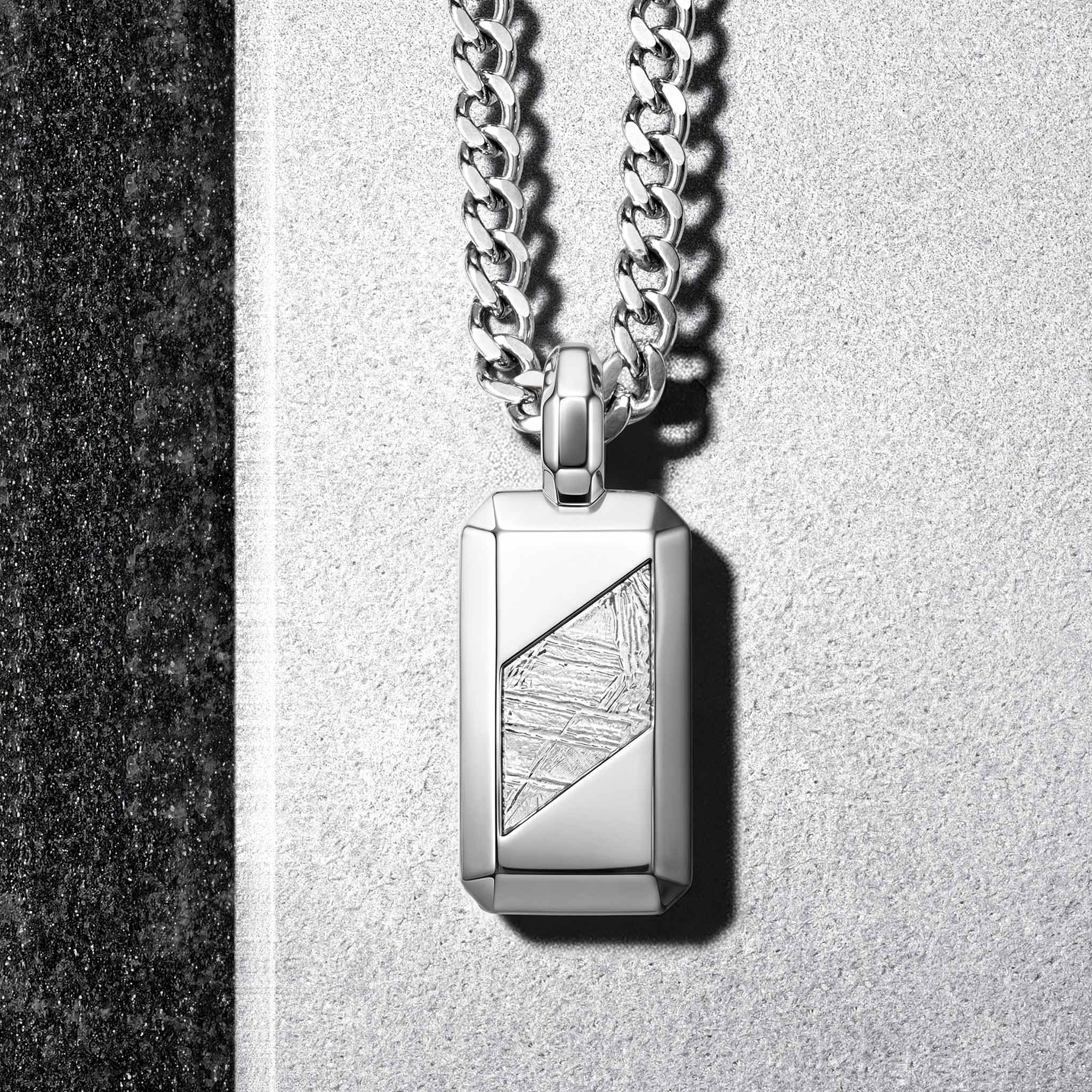
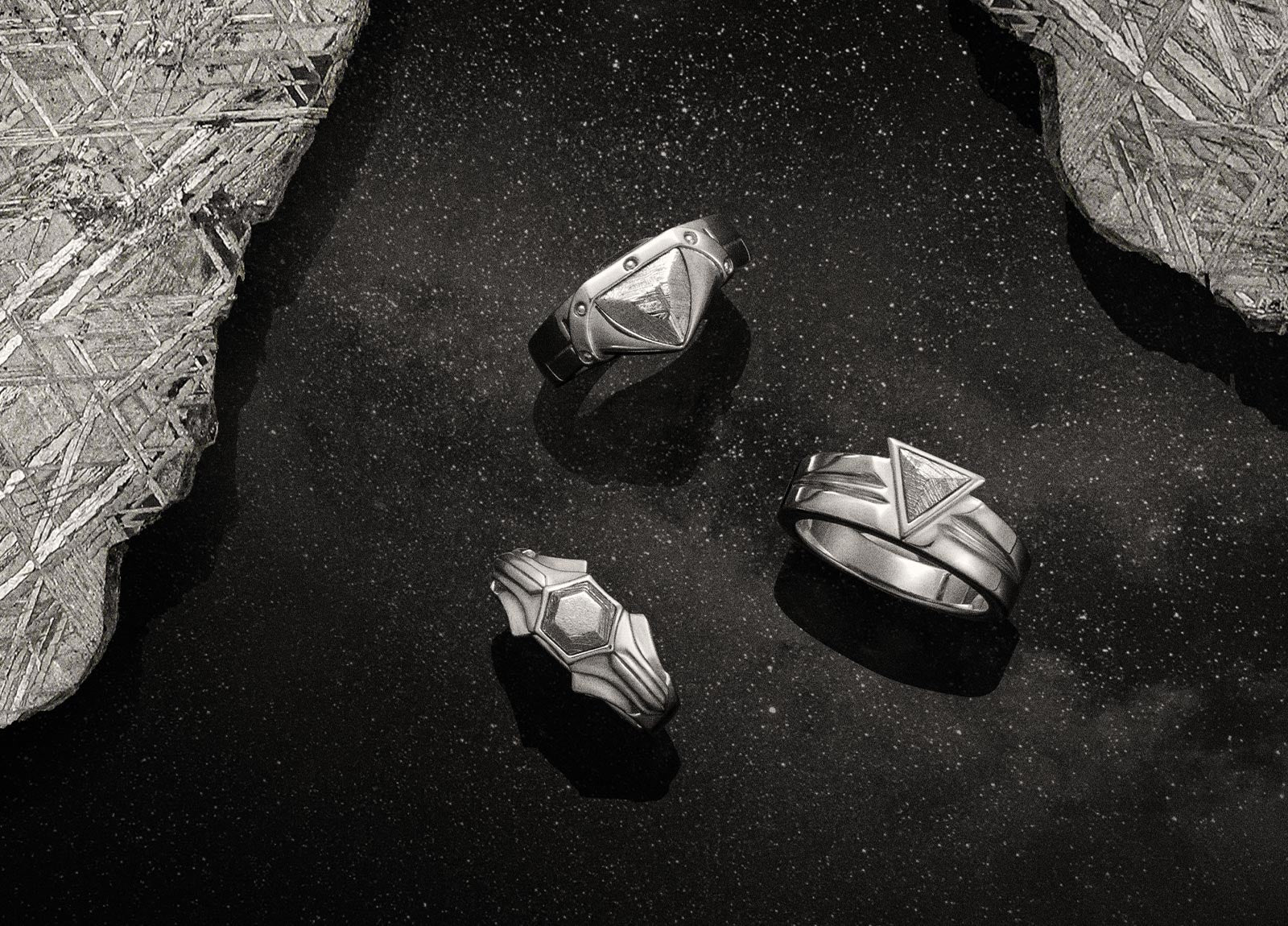
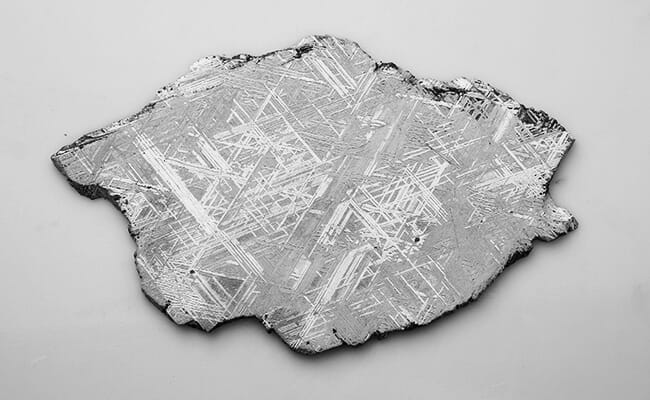
The surface of the Muonionalusta meteorite exhibits a unique natural texture (Widmanstätten pattern), featuring distinct topographical relief and a three-dimensional quality. Experts refer to this surface characteristic as a "Finger Pattern," adding a sense of cosmic mystery. In contrast, the Gibeon meteorite's surface is relatively smooth and uniform, presenting circular indentations similar to the lunar surface, which is also quite distinctive.
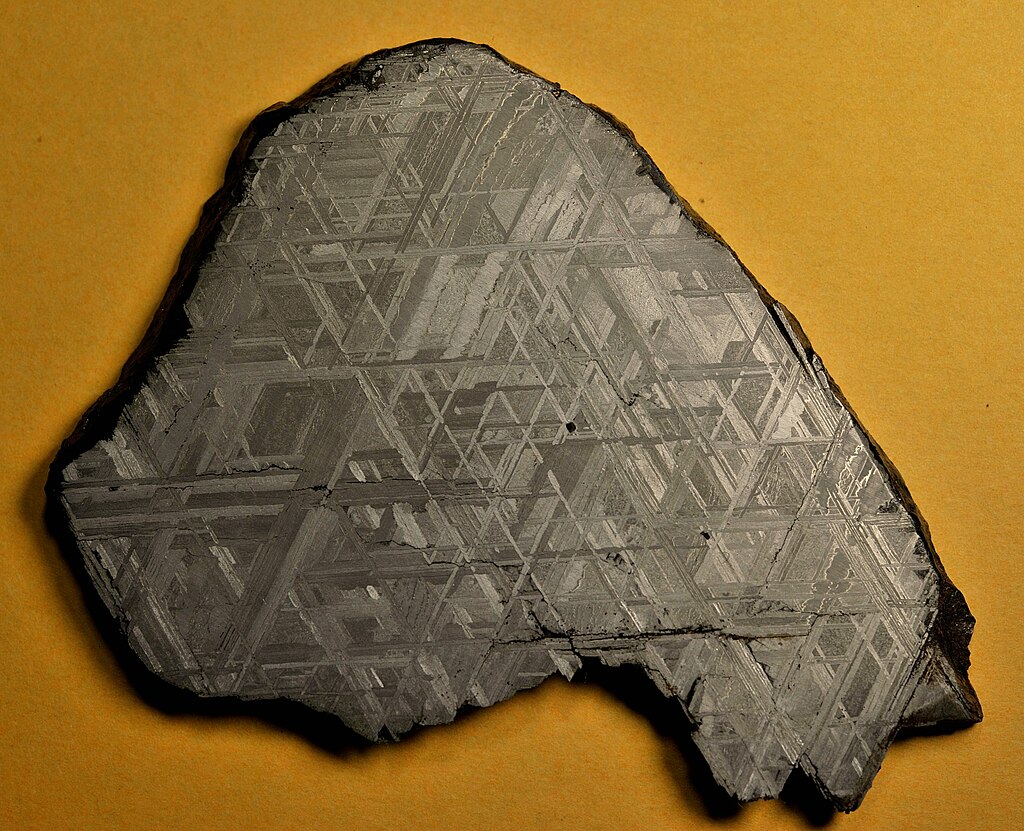
Swedish Muonionalusta Meteorite Pattern, R. Tanaka, CC BY-SA 2.0, via Wikimedia Commons

Gibeon Meteorite Pattern, Kevin Walsh, CC BY 2.0, via Wikimedia Commons
The Mystery of Internal Structure
On cut surfaces, both meteorites exhibit the captivating Widmanstätten pattern (Widmanstätten pattern). Interestingly, this structure in the Muonionalusta meteorite often extends naturally to the surface, creating unique textural variations. The Gibeon meteorite, however, requires special treatment to reveal this pattern, with lines that are generally finer and more regular.
Differences in Mineral Composition
A notable feature of the Gibeon meteorite is the presence of common black mineral spots on the surface, which are inclusions of a mineral called troilite found in iron meteorites. These black spots are like stars scattered in the sky, forming a unique visual effect. In comparison, the Muonionalusta meteorite rarely displays these black spots but exhibits much richer textural variations.

Black mineral spots are common on the surface of Gibeon meteorites
_(2).jpg)
Textural variations on the surface of Muonionalusta iron meteorite
Manifestation of Time's Imprint
The two meteorites also respond to time in distinct ways. The Gibeon meteorite tends to form a uniform oxidation layer, with its surface showing consistent changes over time. The Muonionalusta meteorite, conversely, develops deep oxidation textures in specific areas, especially within its characteristic fissures, creating a unique sense of age.
Imprints of Geological History
The formation environments of these two meteorites have resulted in their vastly different characteristics. The Gibeon meteorite was discovered in the arid desert environment of Namibia, where the stability of the environment preserved its delicate surface features. The Muonionalusta meteorite, however, underwent complex geological shifts within the Arctic Circle, including multiple glacial periods; this unique experience has endowed it with much richer surface variations.
Inspiration for Jewelry Design
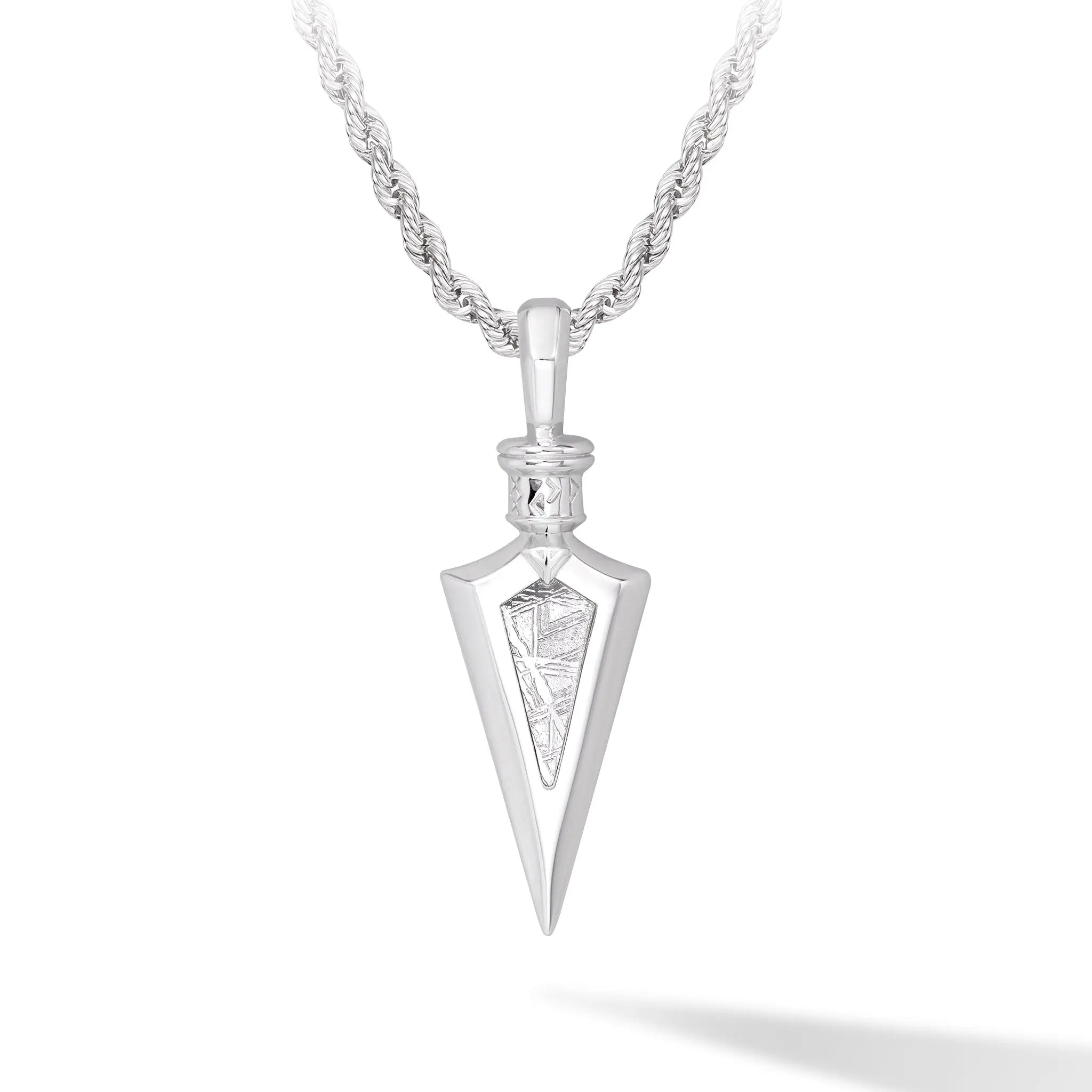
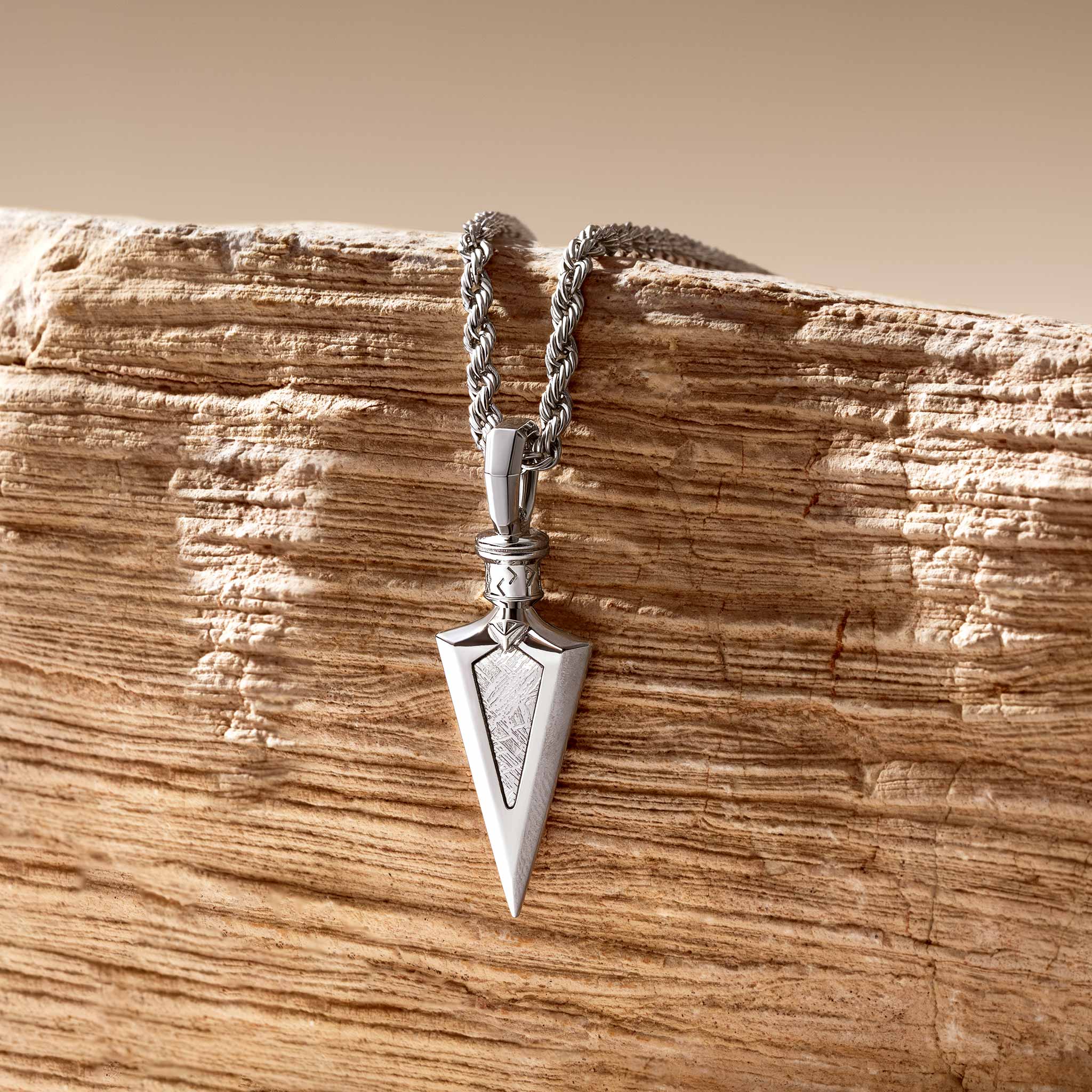
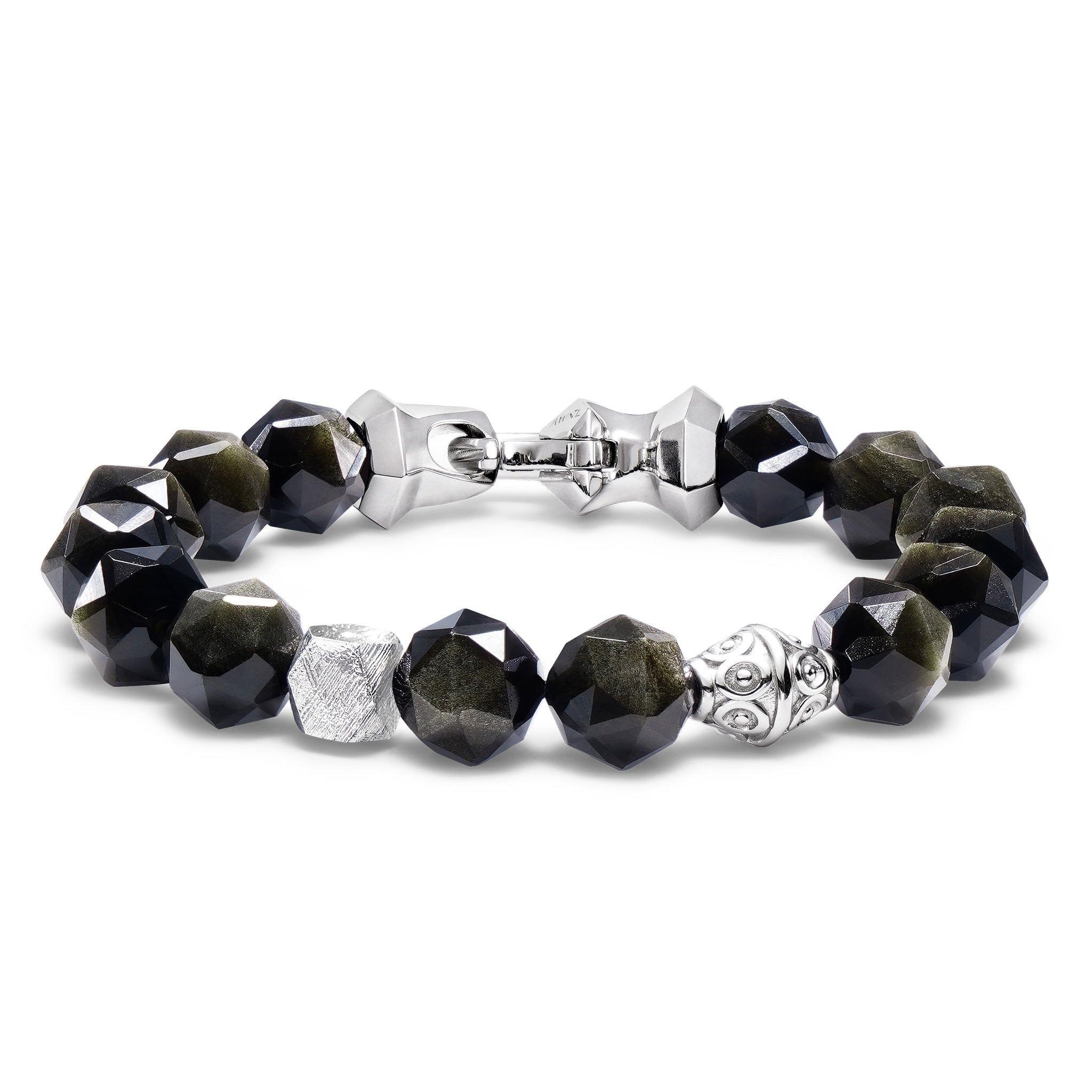
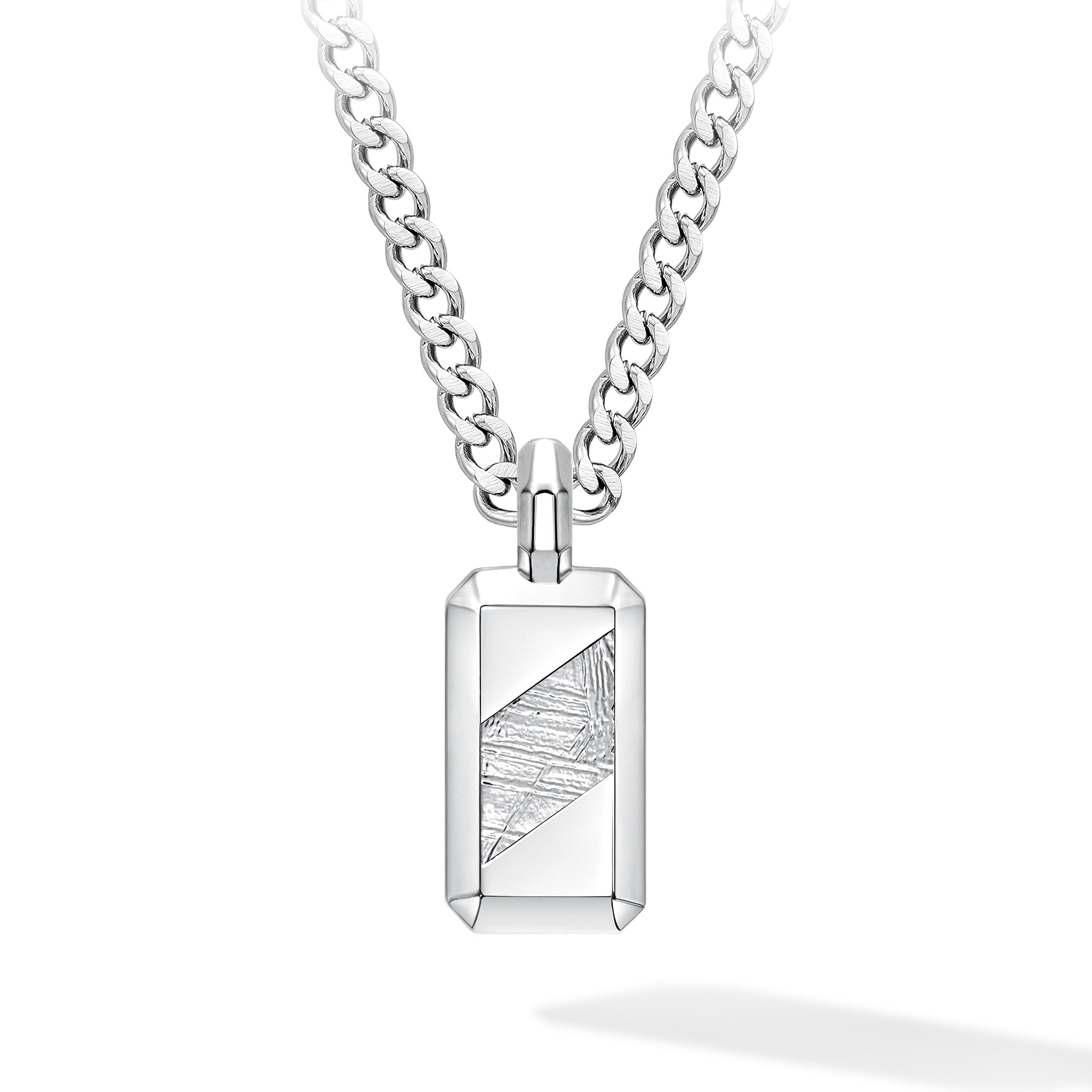
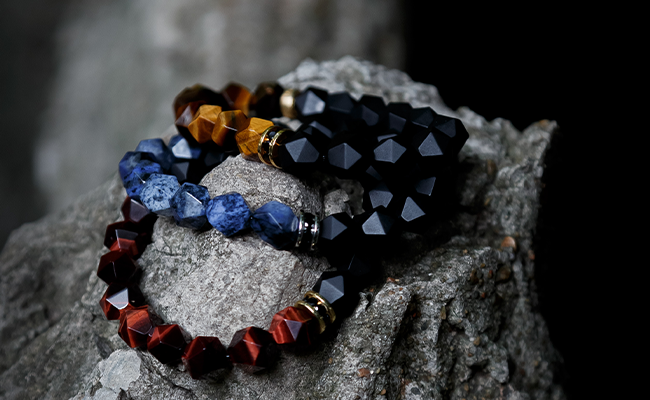
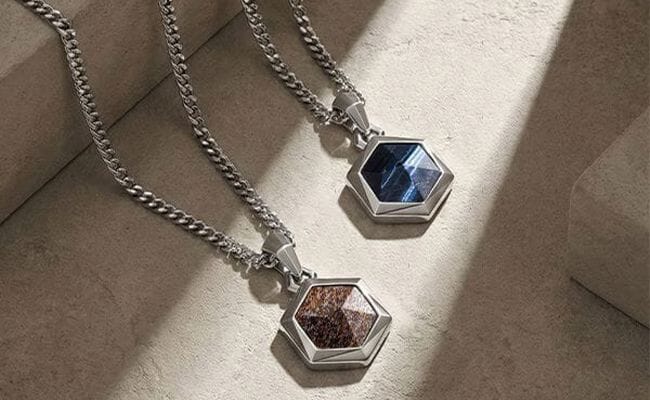
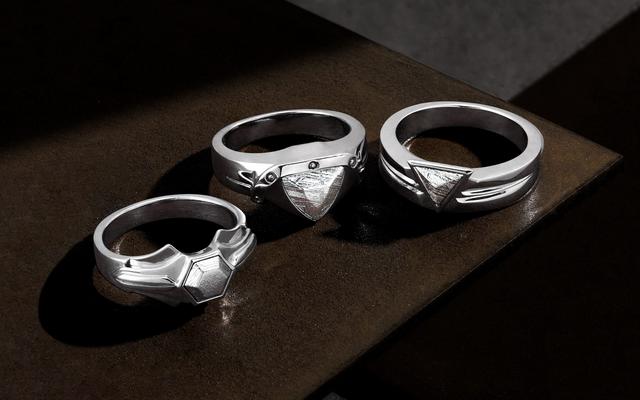
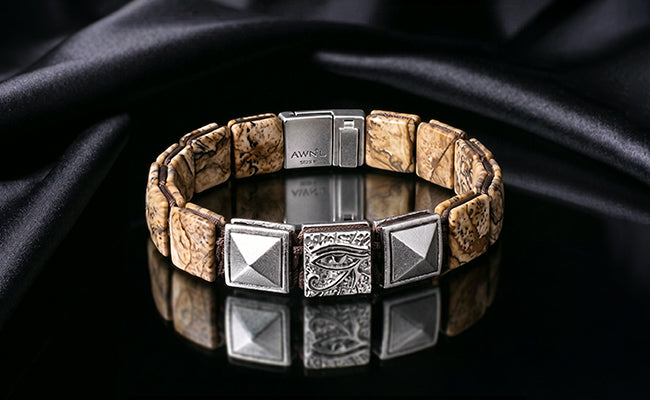
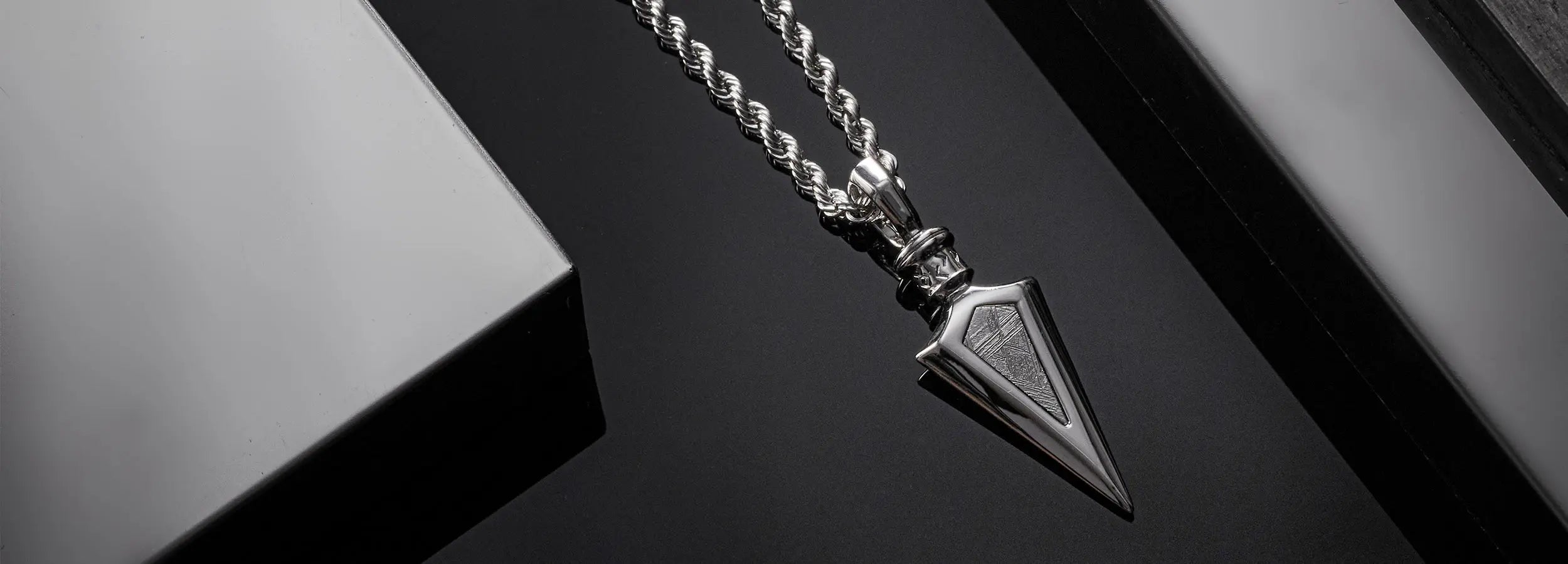
For jewelry designers, both meteorites offer unique creative possibilities. The stability and regular pattern of the Gibeon meteorite are suitable for creating exquisite and uniform collections. Meanwhile, the varied textures of the Muonionalusta meteorite provide infinite possibilities for personalized customization, allowing each piece to present a unique artistic effect.
 AWNL
AWNL 
Prospects for Collectible Value
Over time, both meteorites have demonstrated exceptionally high collectible value. The Gibeon meteorite is favored by collectors for its stable quality and classic aesthetic, while the Muonionalusta meteorite holds a special status in the collecting world due to its rarity and the uniqueness of every piece.
Conclusion
Whether you choose the elegant steadiness of the Gibeon meteorite or the natural variations of the Muonionalusta, either can add a unique cosmic imprint to a jewelry collection. These pieces of art from the universe will forever tell the story of their marvelous journey across time and space.