


Meteorite, a journey back to the infinite universe
They are the oldest matter in the world,
they have traveled the furthest.
These are the ashes of another generation,
and when I play with a meteorite with my fingers,
it is safe to say that no one has ever touched anything older,
it is just staring at eternity.
— Werner Herzog
For a long time, meteorites have been viewed as spiritual entities. Their powerful presence has inspired a yearning for worship and exploration. People continue to use their wisdom and diligence to try to unlock the mysteries of these extraterrestrial stones.
In fact, the interaction between humans and meteorites over thousands of years tells a story of our human desires, fears, loneliness, and beauty.

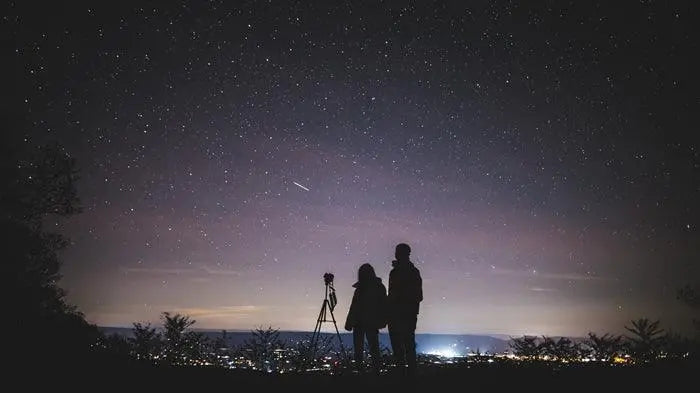
Photographer Vadim Sadowski | Source: Shutterstock
Ancient Worship of Meteorites
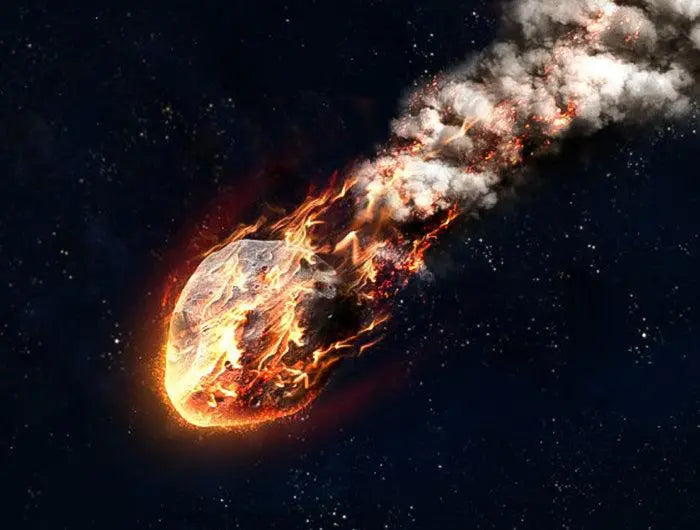
Every meteorite fall is accompanied by a spectacular collision of light and sound. People have felt fear or awe at the power of meteorite impacts and have always believed in their extraordinary nature. Many indigenous peoples around the world have worshiped meteorites. The Sami of Scandinavia used them to make tools to pray for a good harvest. Indigenous Australians fixed meteorites onto church walls for regular worship. In the ancient beliefs of India, China, and Mongolia, eagles or other birds carved onto meteorites were symbols of celestial origin.
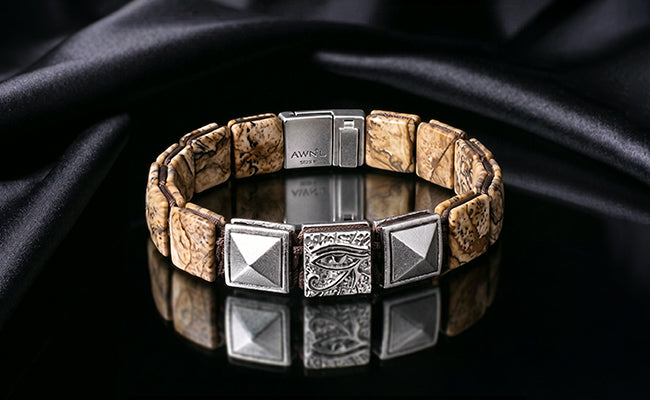
To the ancient Egyptians, meteorites were gifts from the gods, containing substances associated with royalty and divine power. They later discovered that this material could be used to craft weapons and tools.

A passage in the Pyramid Texts (the world's oldest religious texts) claims: "The king's bones are iron, and the king's limbs are the imperishable stars." [1]
Western ancient civilizations were no exception; examples of meteorite worship in Greco-Roman tradition are numerous. Mircea Eliade, an expert in the history of religion, claimed that the Temple of Artemis and the Elagabalium built by the Roman Emperor Elagabalus actually contained meteorites. The ancient Romans believed that stones falling from the sky possessed supernatural powers.

Richard Norton, who has taught theology in England, Sudan, and Zimbabwe and is now an independent scholar, mentioned that the sacred stone at the Temple of Apollo at Delphi was believed to have been created by Cronus and marked the "omphalos," or navel of the world.
The Roman historian Titus Livius recounted the story of the Phrygian Pessinunt meteorite, a conical object known as the fertility goddess Cybele. After the Romans conquered Phrygia, this meteorite was escorted to Rome, where it was worshiped for another 500 years.

Even in the monotheistic religions of the Judeo-Christian tradition, we can find traces of ancient meteorite worship. Meteorites were known in Hebrew as "betyls," with the Greek equivalent being "baitylia," meaning "dwelling place of God."
Modern Art of Meteorites
Artworks and functional items made from meteorites have been widely used in different cultures. The Inuit used meteorites to create jewelry and knives; meteorites were once the primary source of iron in Eskimo society, used to make axes and bracelets. [2]

A Buddha statue weighing approximately 10.6 kilograms was discovered in Siberia. Through comparative analysis, it was determined to be made from an iron meteorite. Its figure depicts the Buddhist Vishnu and was once used to record eleventh-century Bon culture. This sculpture represents a fusion of religious art and meteorite science. [3]
In 1911, an ancient Egyptian tubular ornament (iron bead) was first discovered at the Gerzeh cemetery, about 40 miles (70 km) south of Cairo. Despite the difficulty of processing meteorites, ancient artisans were able to hammer and refine their shape into delicate beads. The iron beads discovered date back to 3,350 to 3,600 BC and are evidence of the use of iron in ancient Egypt. Researchers also found that the beads were rich in nickel, confirming that they were made from iron meteorites.

This ancient Egyptian iron bead dates back to between approximately 3,350 and 3,600 BC.
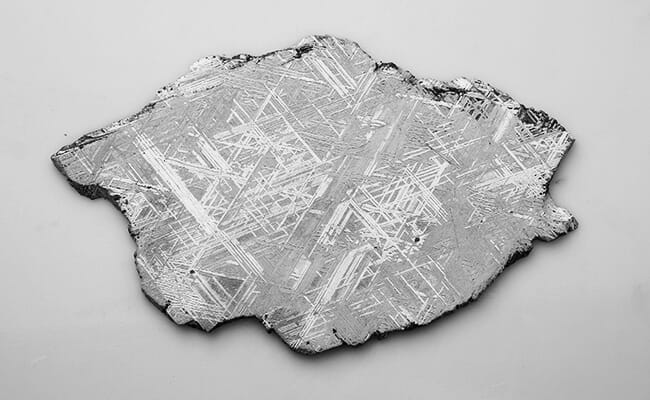
More importantly, this bead features the Widmanstätten pattern unique to iron meteorites—a crystal structure with incredible stability and a beautiful acid-etched design that only forms inside meteorites as they cool slowly in space. Such textures cannot be replicated in laboratories on Earth, making them extremely precious and rare.

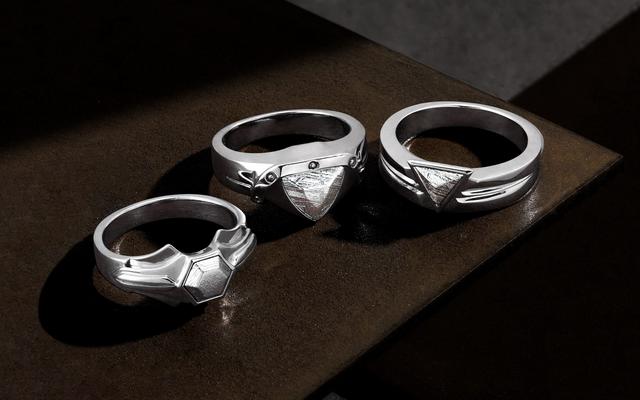
In 1906, the Swedish Muonionalusta meteorite was discovered near a village called Kitkiöjärvi. Further analysis revealed that this meteorite fell near the Arctic Circle approximately one million years ago. Muonionalusta meteorites are often used in watch dials, bezel designs, or forged into pendants, rings, or cufflinks.

Exploring the Poetics and Spirituality of Life with Meteorite Jewelry
Meteorite jewelry is loved not only for its gem-like beauty but also because of the belief that these celestial stones are associated with balance and power. The nickel content in them is believed to purify the wearer's blood. Carry a meteorite gem with you, and your soul will be in harmony with the universe.
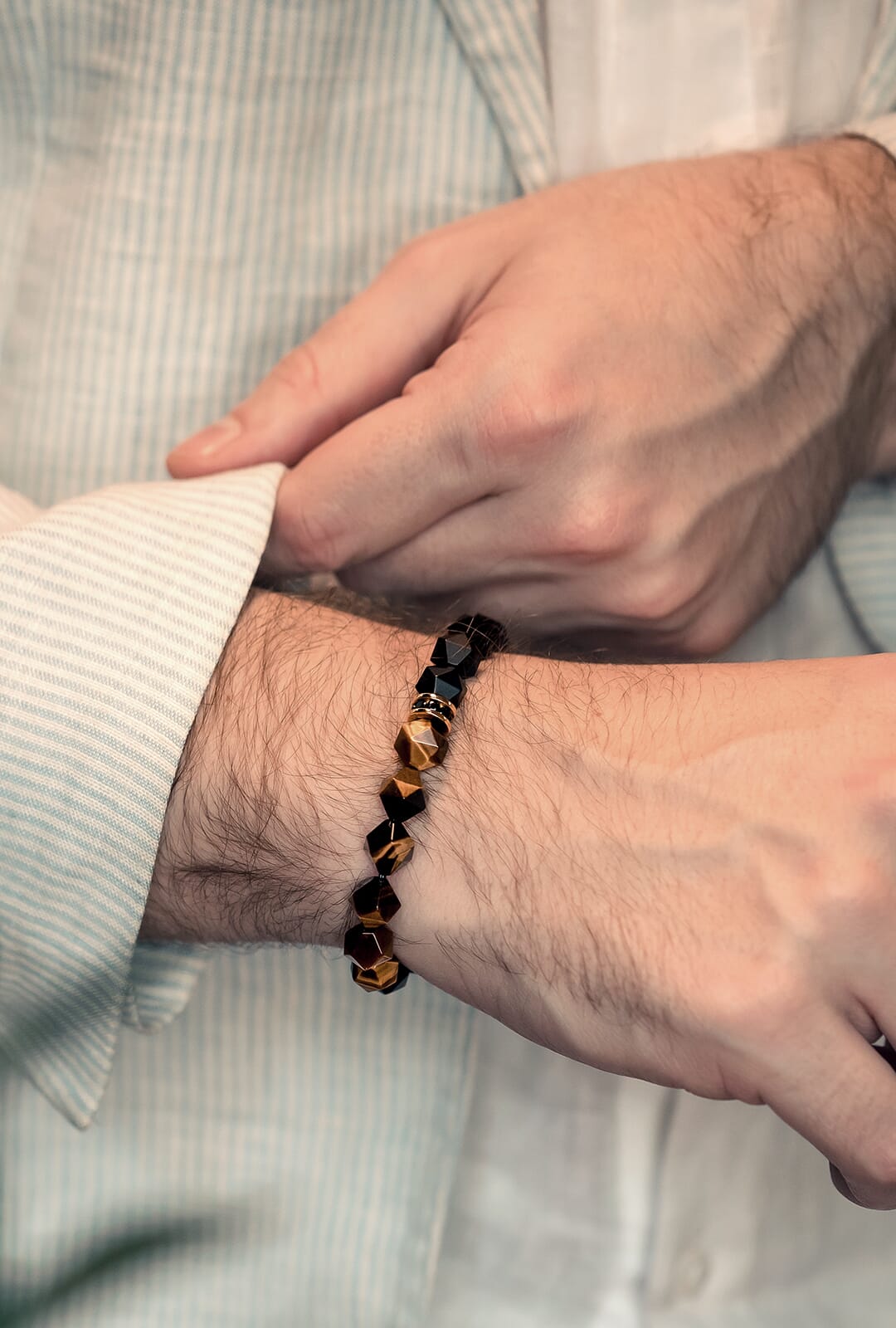
Meteorites are now a new trend in the high-end gemstone and jewelry world. World-renowned watch brands such as Rolex, Piaget, and Jaeger-LeCoultre have used the Swedish Muonionalusta meteorite to create their limited-edition watches. Some jewelry brands use intact small meteorites, set into rings and bracelets; or add crystal stones, amber, and other materials to create more natural gemstones, adding flair to meteorite jewelry designs.
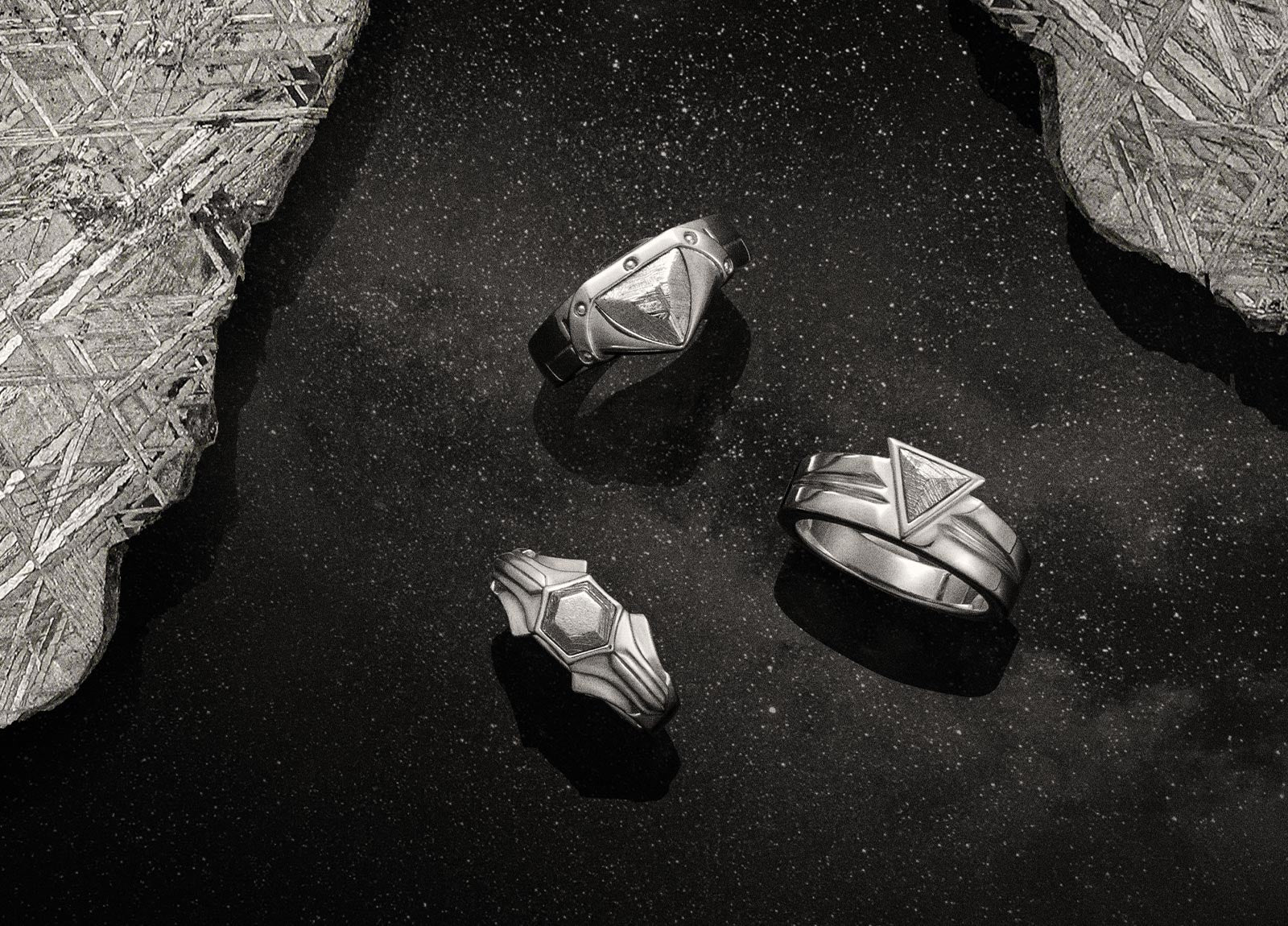
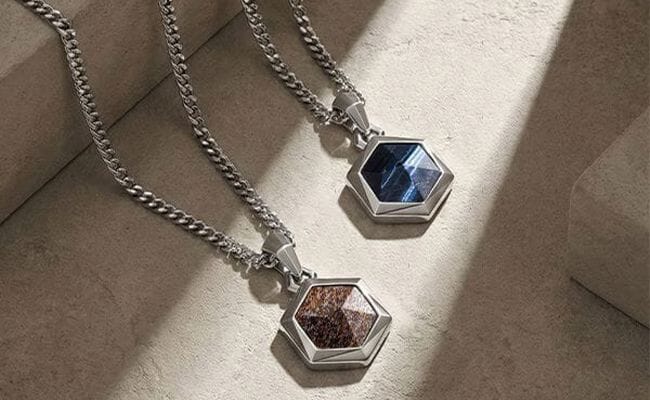
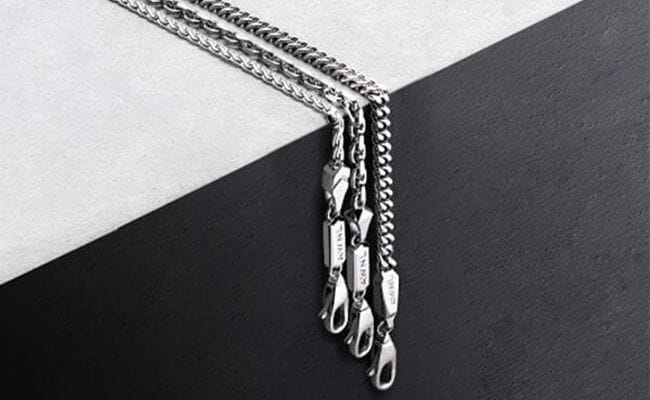
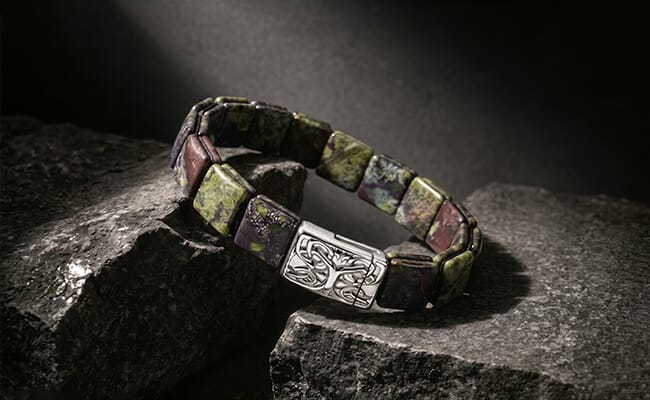
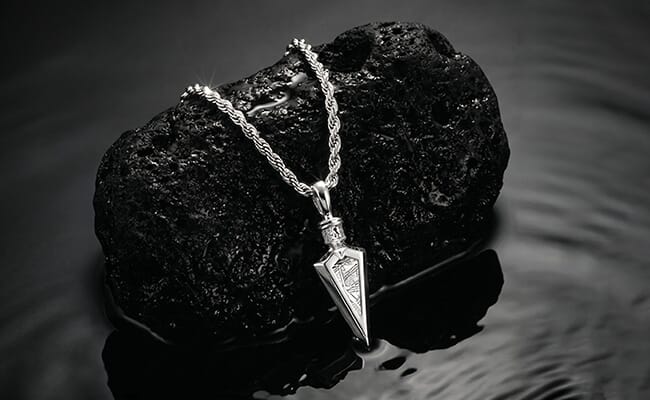
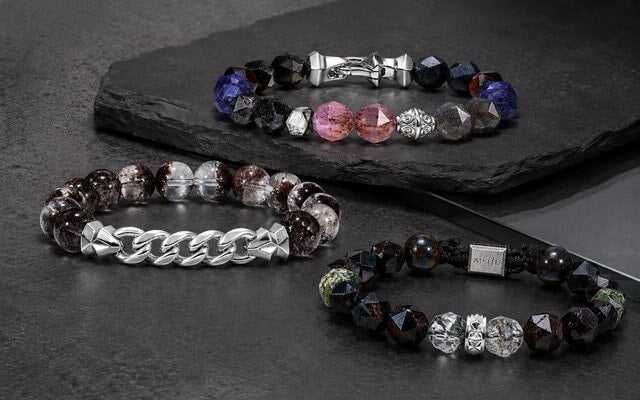
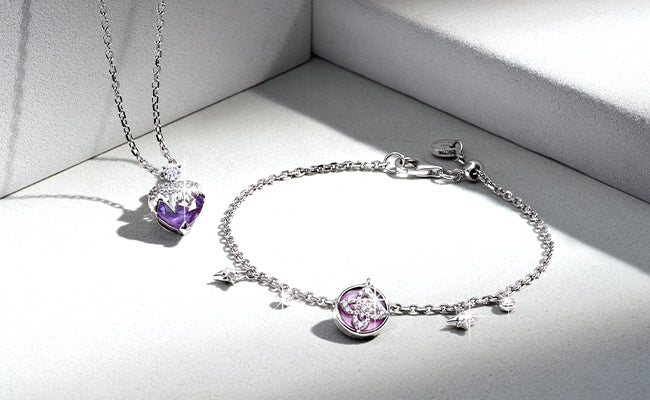
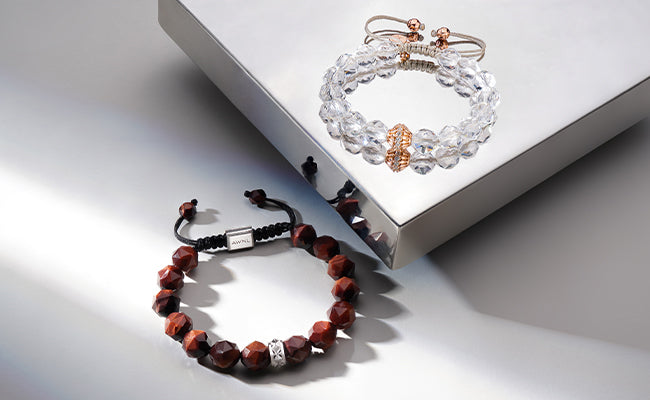
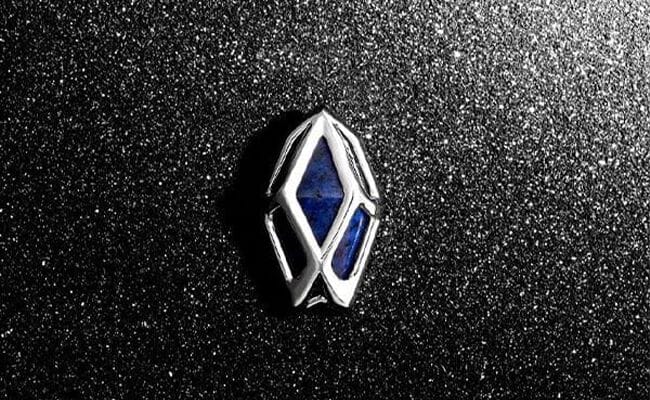
As a meteorite jewelry brand from Sweden, our AWNL meteorite series is inspired by Nordic culture, combining rare Swedish Muonionalusta meteorites with natural crystals to highlight the natural properties of the meteorites and forge energy jewelry with cultural attributes. This allows the wearers of our jewelry to explore the poetics and spirituality of life and the universe.
Meteorites have had a profound impact on all ancient and modern human cultures. As cosmic messengers from the stars, meteorites bring destruction and rebirth, connect the soul of life, and serve as a source of inspiration and creativity. From ancient Egypt to the Maya, from Scandinavia to the Antarctic Circle, humans have spared no effort to find this precious rock.
The existence of the meteorite is a revelation that we come from the depths of the universe, and eventually, we will all return there.
References
[1] Bunson, M. Encyclopedia of Ancient Egypt. Gramercy Books. 1991.
[2] Traditional Beliefs About Meteorites. Meteoritics 27:254.
[3] Buchner E., Kurat G., Schmieder M., Kramar U., Kröchert J., and Ntaflos T. 2009. Mythical Artifacts Made of Celestial Material—A Buddhist Deity Made of Meteoritic Iron (Abstract #5074). 72nd Annual Meeting of the Meteoritical Society, Nancy, France, July 13–18, 2009. Meteoritics & Planetary Science 44.