

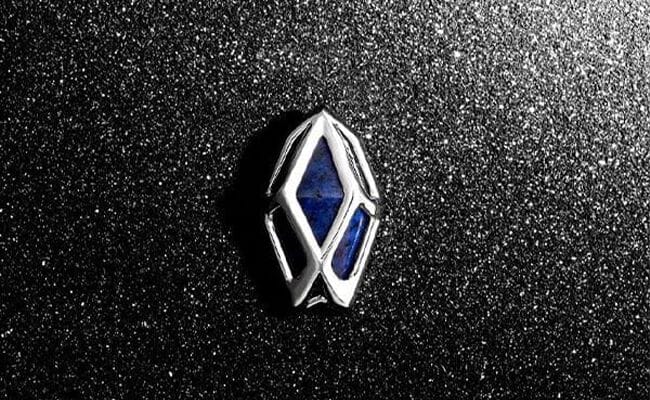


Citrine
PEATED WHISKEY|Citrine

Citrine
Appearance & symbolism:
Gold with internal heat. In a dark outfit, it reads not as jewellery but as a dry point of light — ember, not ornament.
Filters
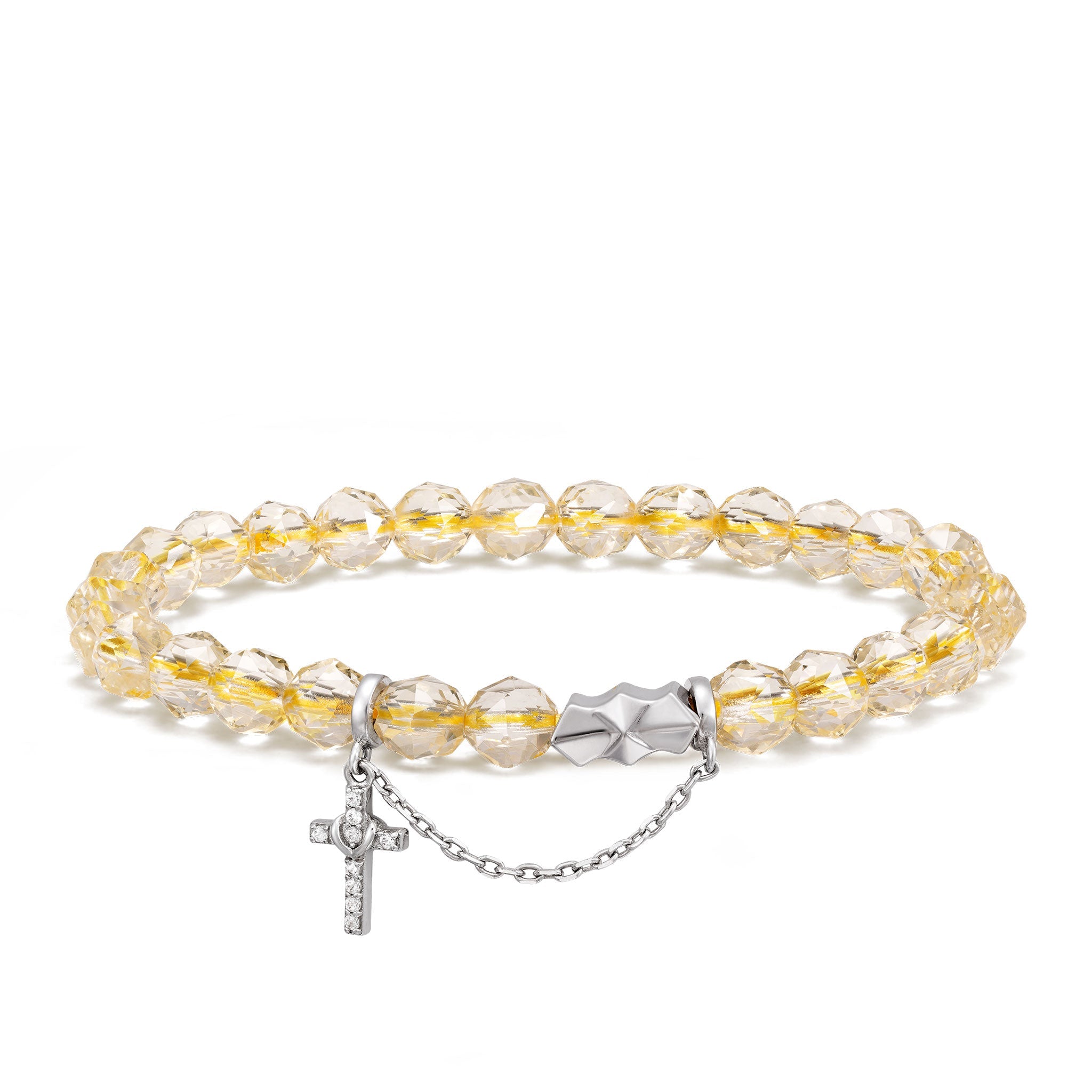
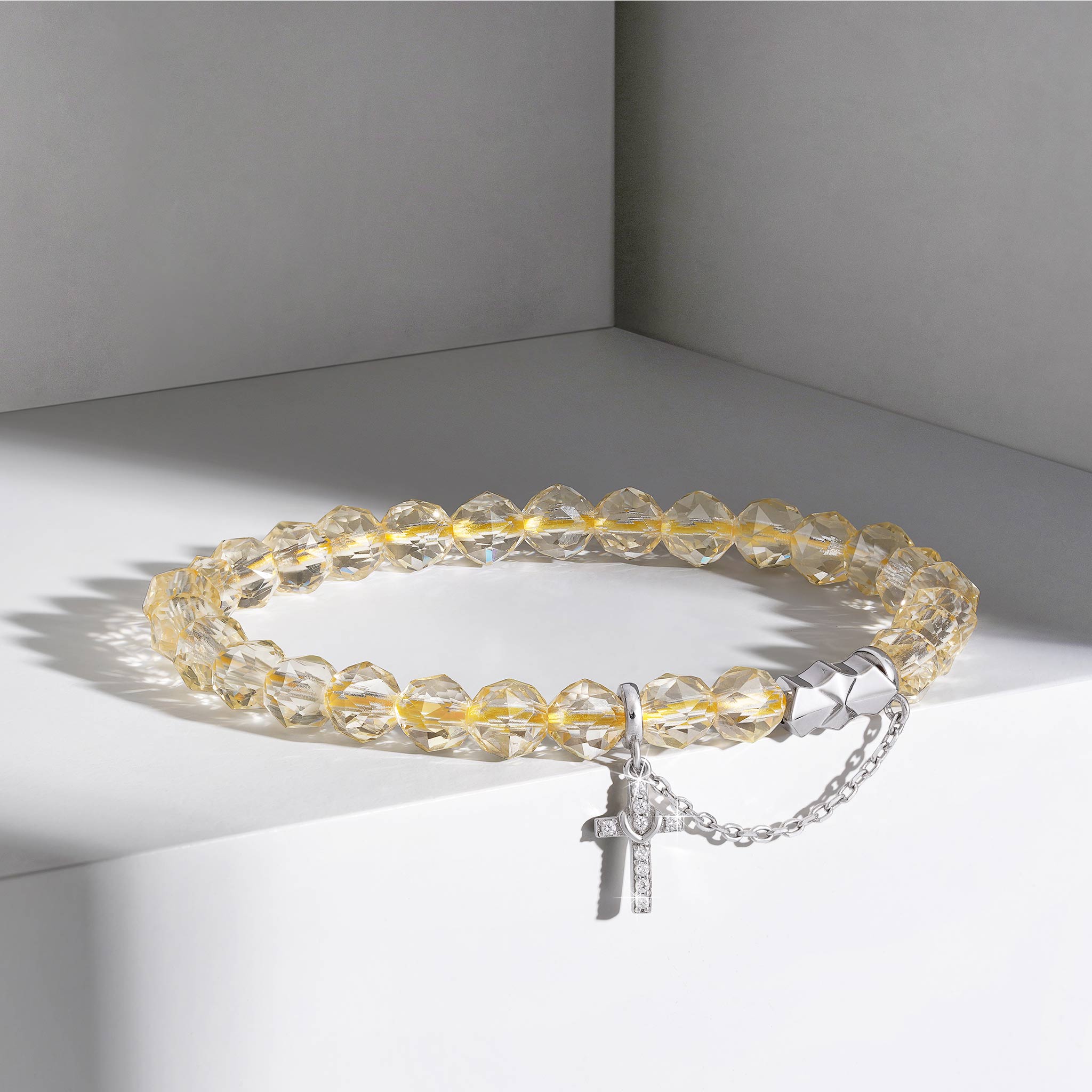
Cross Bracelet Citrine
Sale priceNTD $6,680
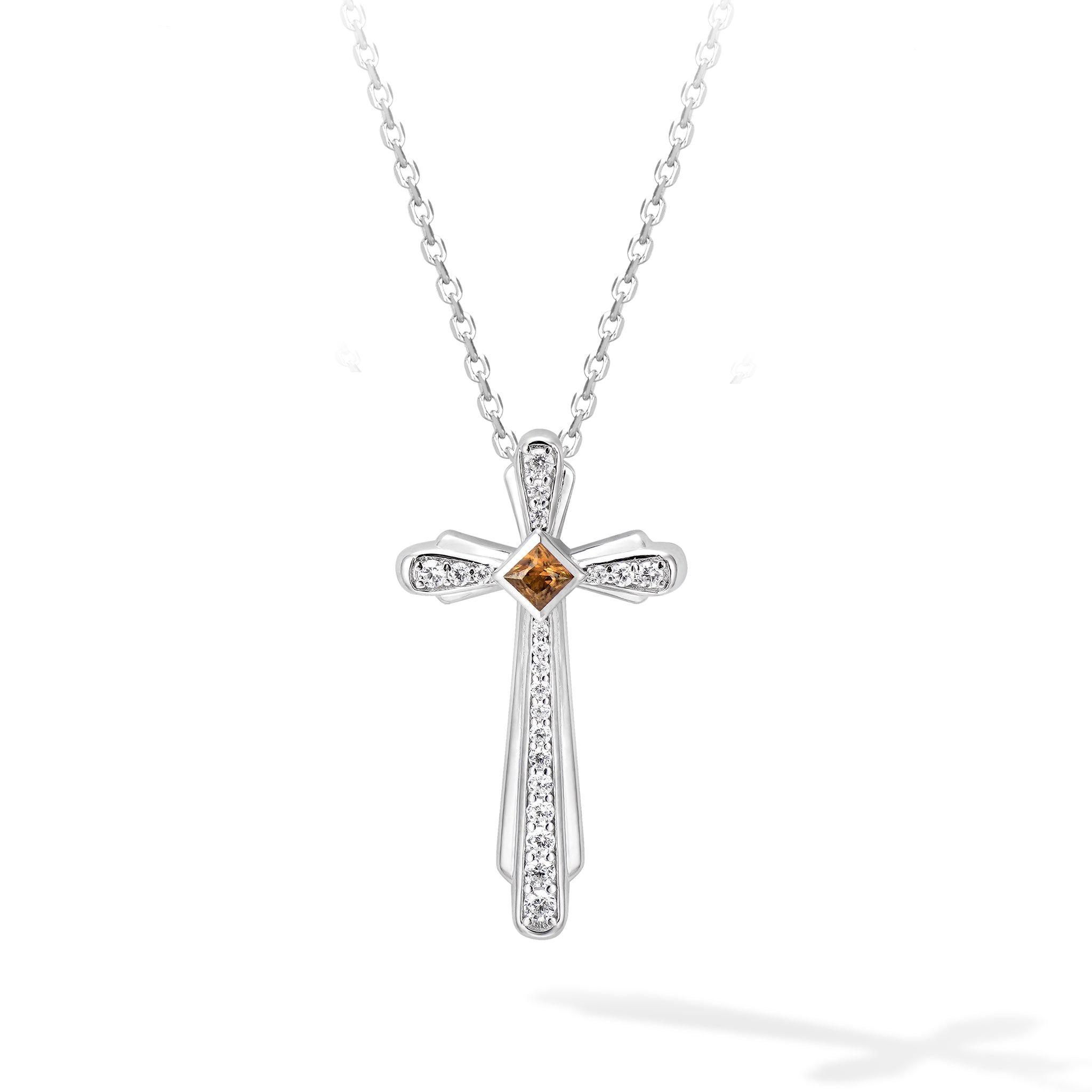
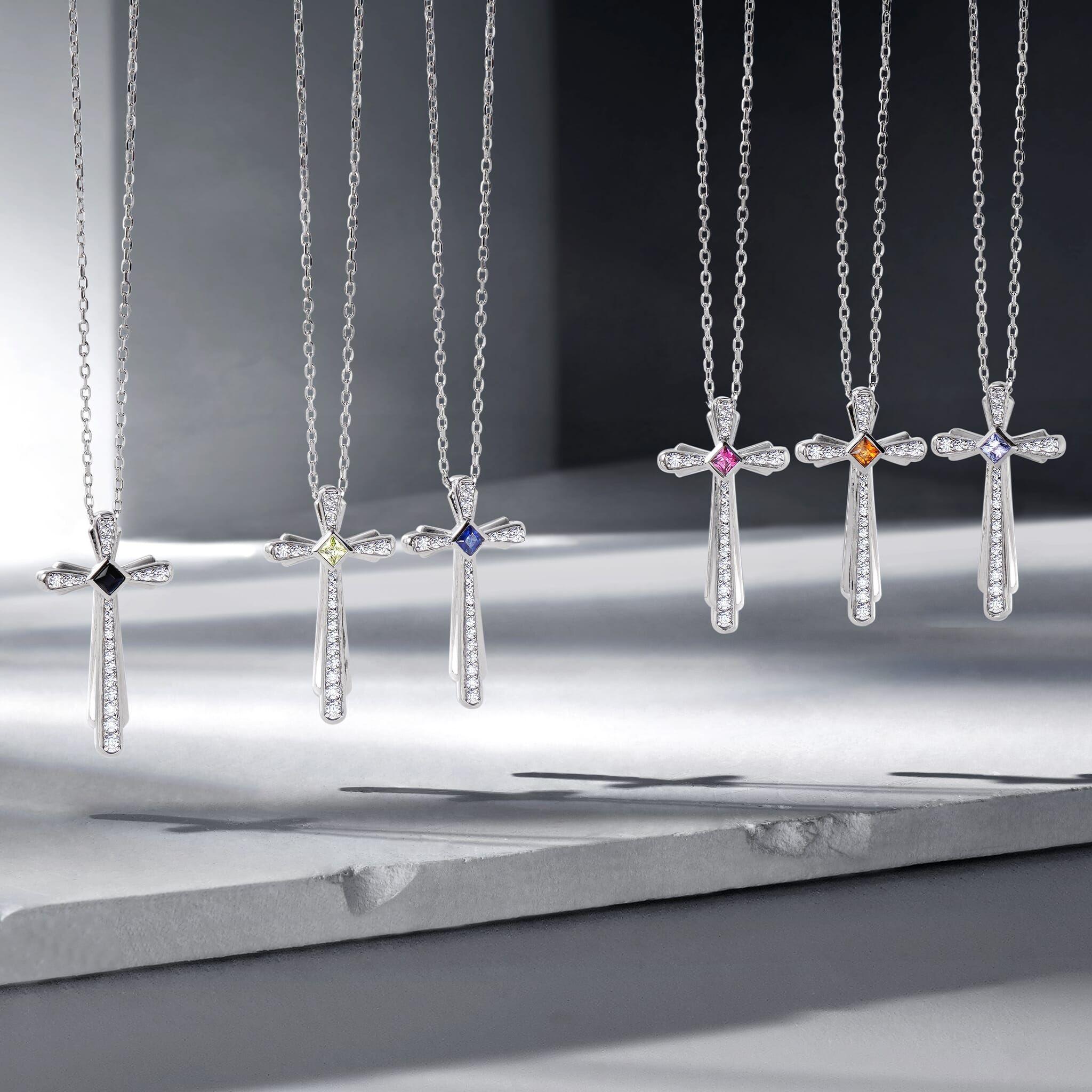
Pavé Cross Necklace November Citrine
Sale priceNTD $4,500
More Inspirations
Explore more from AWNL.



Join Our Circle
Subscribe for new arrivals, restocks and member-only offers.
